Sudan: Cities Under Siege as Government Seeks to Label RSF ‘Terrorist’
The ongoing conflict in Sudan continues to escalate, with reports emerging of intense fighting and dire humanitarian conditions. The Sudanese army has reportedly conducted airstrikes against Rapid Support Forces (RSF) positions in the town of Barno, northwest of Kadugli in South Kordofan, inflicting casualties. This follows claims by the RSF that they had seized control of the town.
South Kordofan has been gripped by persistent clashes between the army and the RSF. Reports indicate that the RSF, in alliance with the Sudan People’s Liberation Movement-North (SPLM-N), are besieging the key cities of Kadugli and Dilling, the largest urban centers in the region.
Amidst the turmoil, Sudanese Minister of Cabinet Affairs, Lamia Abdel Ghaffar, stated that Sudan seeks a peace that preserves its sovereignty, unity, and independence, free from external interference. She also called for the RSF to be designated as a “terrorist organization,” citing alleged widespread abuses against civilians.
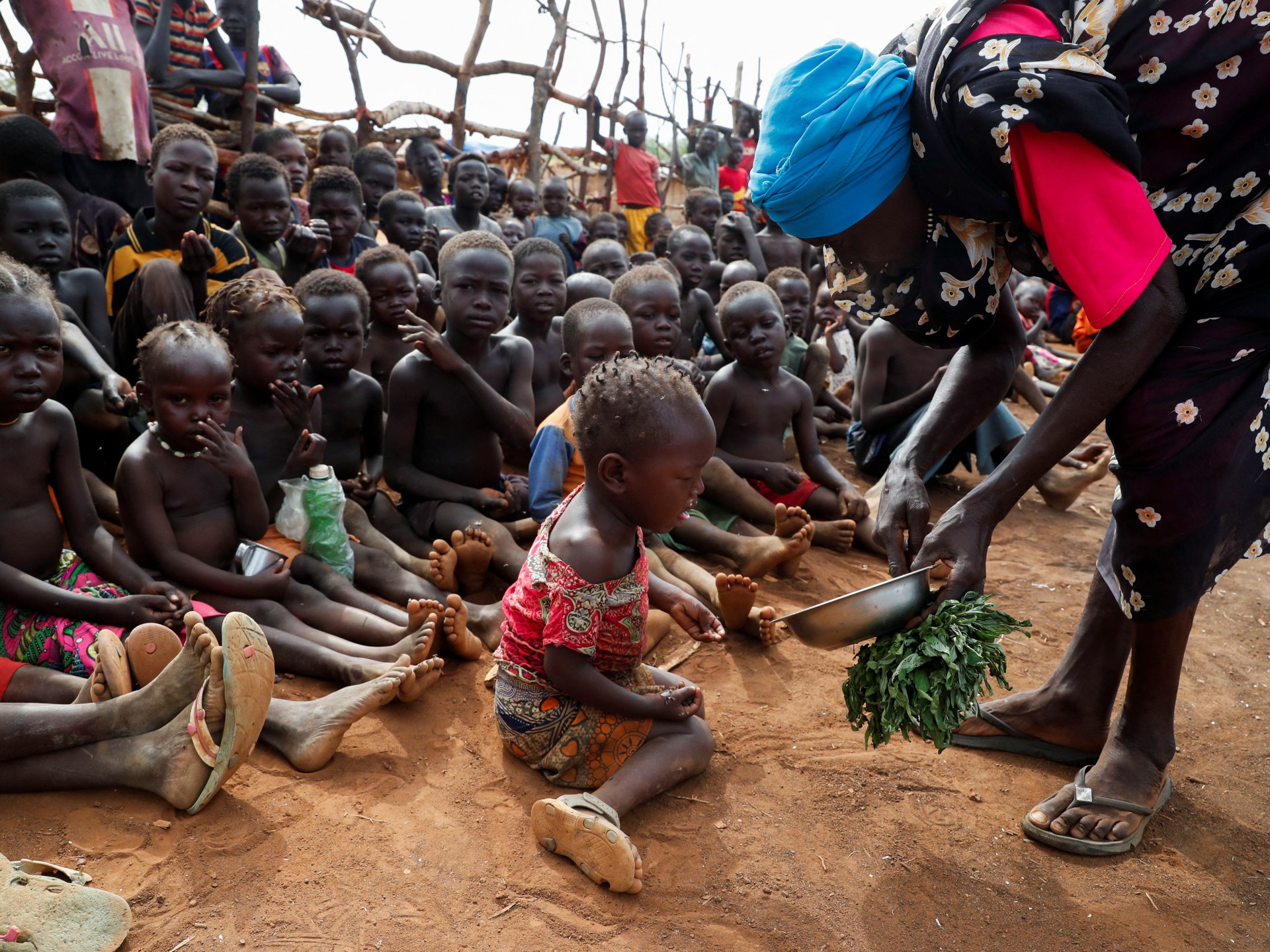
The humanitarian crisis deepens as a result of the conflict. Approximately 1,700 newly displaced people, primarily women and children, have arrived in Kosti, White Nile State, after a difficult journey from the Heglig area in West Kordofan, fleeing the fighting and lack of basic necessities.
Lamia Abdullah, the Humanitarian Aid Commissioner in White Nile State, told DZWatch that food supplies in the camps for those fleeing Heglig and arriving in Kosti are insufficient. She highlighted the harsh conditions faced by the displaced and called for increased support.
Mohamed Refaat, Head of the International Organization for Migration (IOM) mission in Sudan, warned that further displacement is expected, with estimates suggesting that 90,000 to 100,000 people could be displaced if the fighting in Kadugli, the capital of South Kordofan, continues. He added that approximately half a million people in the city of El Obeid are likely to be affected by the escalating conflict.
Refaat further noted that displaced people are fleeing from areas around Babanusa, Kadugli, and El Obeid, with those who are fortunate enough reaching the White Nile region. He confirmed that over 100,000 people have fled El Fasher and surrounding villages, while many civilians remain trapped in nearby villages.
The lack of funding is severely limiting the ability to provide assistance on the ground.
The international community continues to call for a ceasefire and a peaceful resolution to the conflict.