Land Grab: Escalating Israeli Control in the West Bank
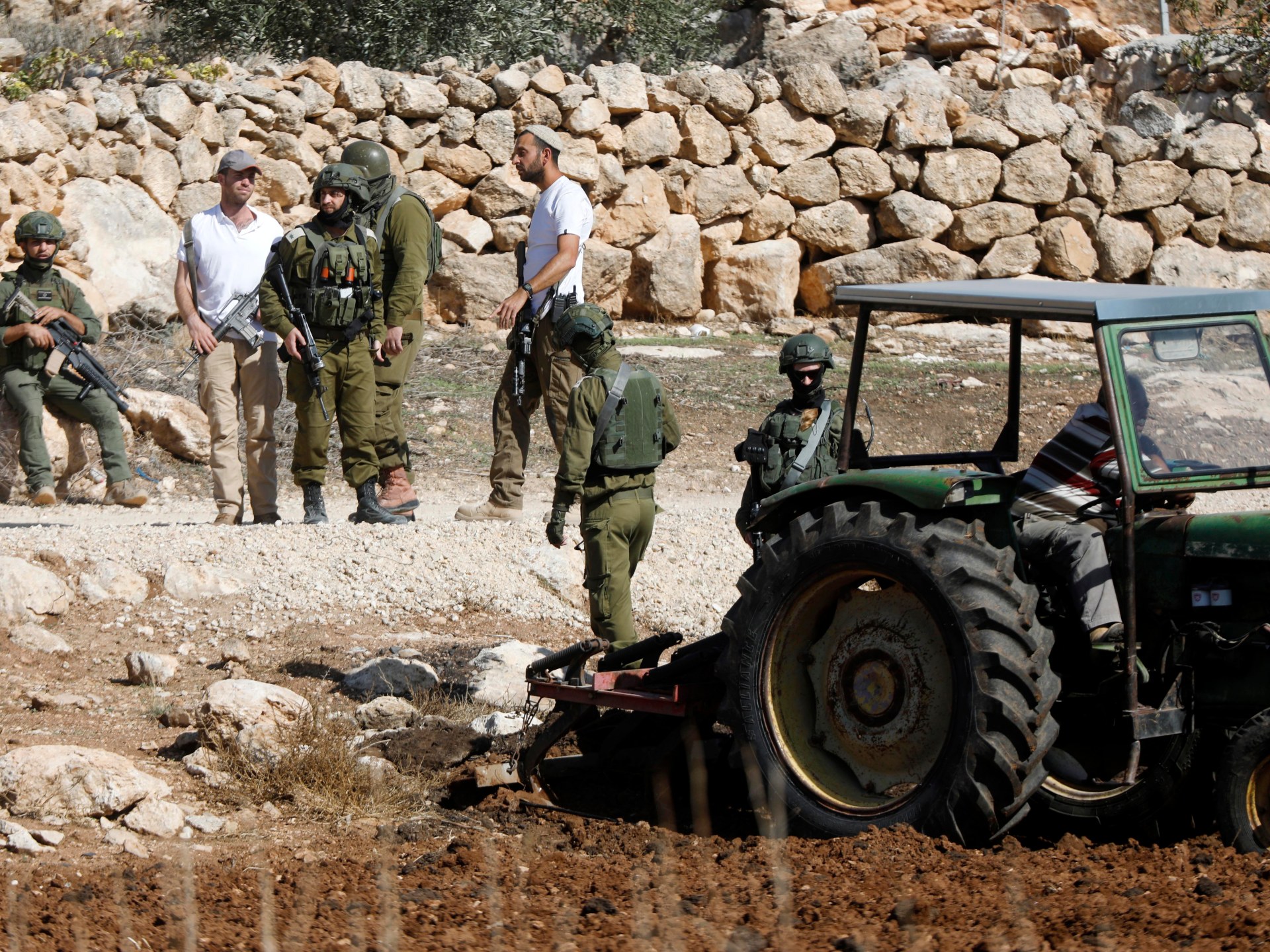
The prospect of a viable Palestinian state in the West Bank is facing unprecedented challenges, as incremental Israeli settlement expansion and associated violence erode Palestinian presence, village by village, olive grove by olive grove.
Palestinian farmers are increasingly confronting extremist settlers who seek to forcibly seize land, often operating under the gaze, or indirect protection, of the Israeli military. These confrontations involve settlers driving livestock onto olive groves, appropriating water resources, vandalizing crops, and even raiding homes during the night.
The construction of new roads and the establishment of illegal outposts, which later evolve into permanent settlements, are gradually forcing Palestinians to abandon their land. This situation is part of a conflict that has been ongoing since 1948, but has accelerated significantly.
Since 2023, the current Israeli government has adopted a systematic settlement expansion policy aimed at undermining the two-state solution, a goal openly expressed by Israeli officials. This expansion is not limited to land confiscation; it also includes harassment, physical assaults, killings, village closures, the erection of barriers, and house demolitions. Palestinians are subjected to military law, existing in a climate of injustice and constant fear.
Data, maps, and court orders demonstrate how Israeli control is expanding over land that has been Palestinian for decades. The construction of roads and fences further solidifies this control, effectively altering the landscape and restricting Palestinian movement.
The future of Palestinian communities in the West Bank remains uncertain as these trends continue.