Israeli Drone Strike Hits Southern Lebanon, Ceasefire Violated
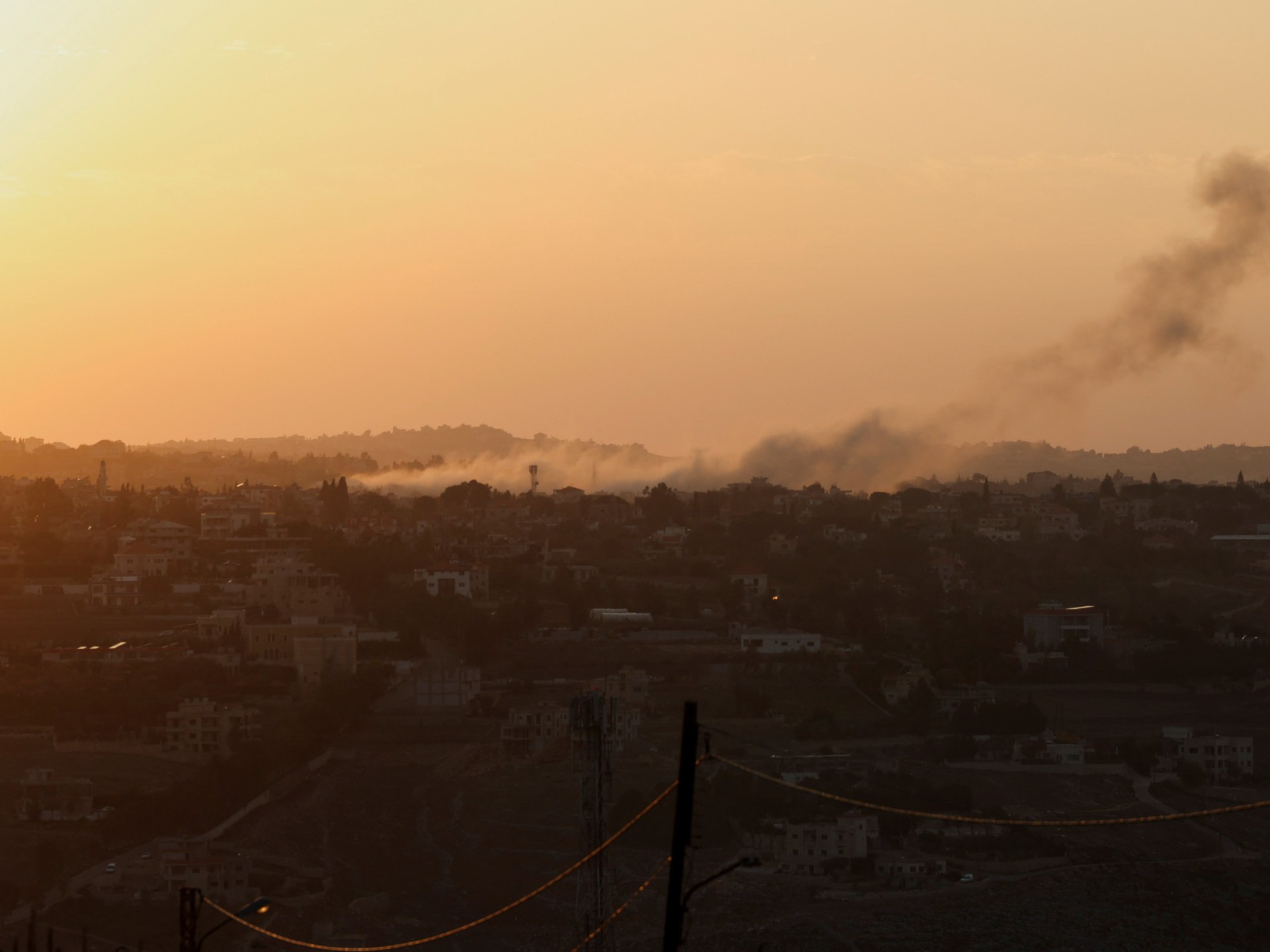
An Israeli drone carried out a strike on the outskirts of the town of Al-Taybeh in southern Lebanon on Saturday evening, marking another violation of the ceasefire agreement that was established over a year ago. The strike targeted an open area on the main road connecting Al-Taybeh and Adsheet in the Marjayoun region.
Reports indicate that the Israeli drone fired a missile during the attack. In a separate incident, an Israeli drone reportedly exploded in a vacant house in the town of Blida, also in southern Lebanon. No casualties were reported in either incident.
These events occurred hours after Israeli drones were observed flying over various Lebanese regions, including the southern suburbs of Beirut, a stronghold of Hezbollah. Earlier in the day, the Lebanese News Agency reported “the sighting of a hostile Israeli drone flying at a very low altitude over the capital, Beirut, including the southern suburbs.” Similar low-altitude drone activity was reported over villages in the Zahrani area in the south and in the Hermel district in northeastern Lebanon.
Over the past week, Israeli media outlets have reported on the Israeli army’s “completion” of a plan to launch a “large-scale attack” on Hezbollah positions if “the Lebanese government and army fail to fulfill their commitment to disarm the group before the end of 2025.”
These developments unfold amidst repeated Israeli violations of the ceasefire, which has been in effect since November 27th of last year. The ceasefire followed an escalation of conflict that began in October 2023 and evolved into a full-scale war in September 2024, resulting in thousands of casualties and widespread destruction. The agreement aimed to end hostilities that left an estimated 4,000 people dead and approximately 17,000 injured.
Israel continues to occupy five Lebanese hills seized during the last war, in addition to other territories held for decades. The recent drone strikes and aerial activity raise concerns about the fragility of the ceasefire and the potential for renewed conflict in the region. DZWatch will continue to monitor the situation closely.