Sudan Peace Initiative Sparks Mixed Reactions Online
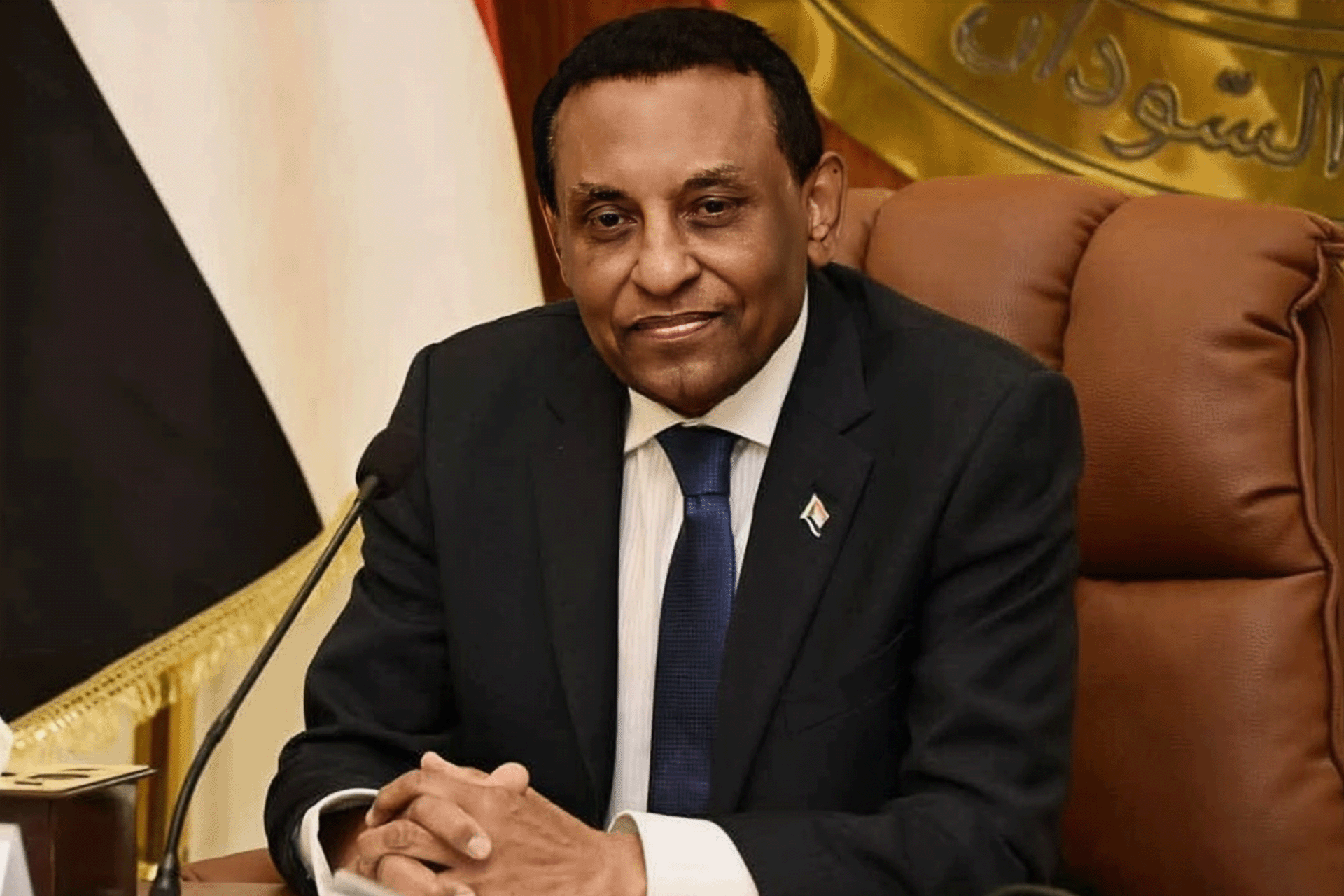
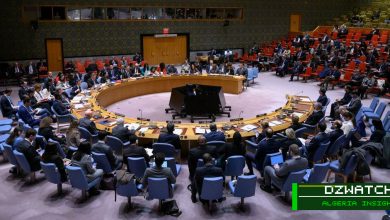
Khartoum, DZWatch – Sudanese social media platforms are abuzz with reactions following Prime Minister Kamel Idriss’s initiative for a comprehensive ceasefire, announced during his address to the United Nations Security Council on Monday. Idriss emphasized the heavy toll the ongoing conflict has taken on Sudan, calling for a cessation of hostilities under international and regional supervision.
The proposed initiative centers on a complete ceasefire monitored by the UN, the African Union, and the Arab League, alongside the disarmament of rebel militias. Furthermore, it includes the implementation of disarmament, demobilization, and reintegration (DDR) programs for non-convicted combatants to facilitate their return to civilian life.
“There can be no peace without accountability,” Idriss stated, stressing the need to combine on-the-ground solutions with international guarantees.
Support for International Involvement
Many online activists believe the initiative marks a shift towards concrete, internationally-backed solutions, moving beyond traditional diplomatic promises. They argue that the demand for disarmament under UN and regional supervision aligns with past international approaches, drawing parallels to what they describe as former US President Donald Trump’s vision of resolving conflicts through decisive and transparent agreements that prevent renewed fighting. Supporters believe that a successful initiative would restore Sudanese national sovereignty.
Other commentators suggested that the Sudanese government aims to solidify national decision-making authority, separate negotiation tracks from regional coercion, and establish accountability and legitimacy as the foundation for any peace process. They argue that the Prime Minister has presented the international community with a clear choice: support a path based on legitimacy and sovereignty or accept the continuation of chaos by normalizing unlawful violence.
Skepticism and Warnings
Conversely, some observers suggest that the Rapid Support Forces (RSF) will not support the initiative, arguing that it favors the Sudanese army and diminishes their influence. These commentators express concern over the initiative’s potential impact on the balance of power within the country.