Sudan Unveils Peace Initiative at UN Security Council
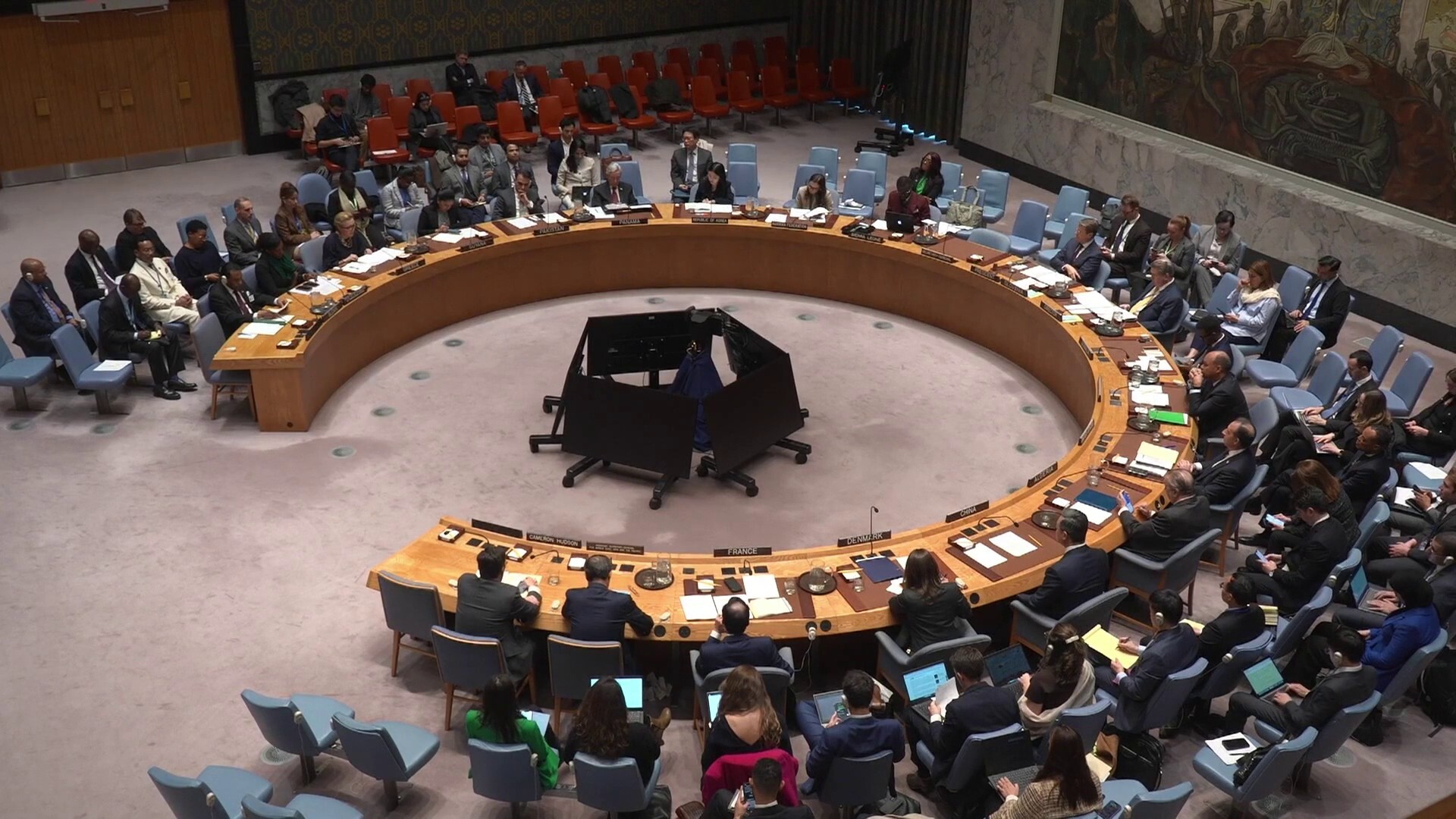
Sudan’s Prime Minister, Kamel Idriss, presented his government’s peace initiative to the United Nations Security Council today. The proposal aims to bring an end to the ongoing conflict and restore stability to the nation.
The core of the Sudanese government’s initiative centers around a comprehensive ceasefire, monitored by international and regional bodies. This ceasefire would be accompanied by the withdrawal of rebel forces from all occupied territories, adhering to the principles previously agreed upon in Jeddah.
Key elements of the peace plan include:
A) Cessation of Hostilities: A complete and immediate ceasefire, overseen by the United Nations, the African Union, and the Arab League. This would require the withdrawal of the rebel militia from all areas under their control.
B) Assembly of Fighters: The initiative proposes the assembly of rebel fighters into designated camps, supervised by the UN, AU, and Arab League. These fighters would be registered, and their biometric data collected.
C) Addressing Displacement and Humanitarian Aid: The plan prioritizes the safe return of internally displaced persons to their homes and the voluntary repatriation of refugees. It also emphasizes the secure and unhindered flow of humanitarian aid to all affected regions.
D) Disarmament: A comprehensive disarmament process for the rebel militia is proposed, with international monitoring to prevent the re-circulation of weapons.
The Sudanese government hopes these measures will foster trust and pave the way for lasting peace and stability in the country. The initiative also addresses the reintegration of former fighters (excluding those convicted of crimes) into civilian life.
The initiative is presented as a complementary effort to the Saudi-American peace roadmap. The Sudanese government views this as an opportunity to protect civilians, end the violence, and preserve the unity of Sudan while contributing to international peace and security.