Western Sahara: Half a Century of Exile Examined
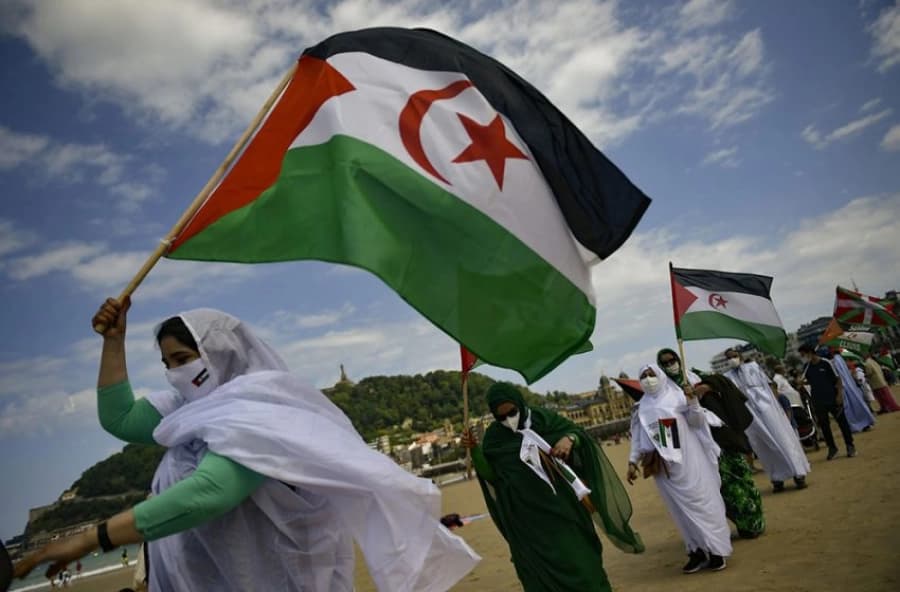
DZWatch Exclusive: Fifty years after Spain’s withdrawal, the Western Sahara remains a focal point of international concern. A recent analysis by El Independiente, a Spanish publication, sheds light on the enduring conflict, revisiting historical context and examining recent UN Security Council resolutions.
The Spanish report highlights the complexities arising from Spain’s incomplete decolonization process. It underscores the diplomatic maneuvering surrounding the conflict, particularly Morocco’s interpretation of UN Security Council resolutions as definitive, despite differing perspectives.
UN Security Council Resolution 2797, adopted on October 31, 2025, extended the mandate of the UN mission for a further year and introduced the concept of “realistic autonomy.” El Independiente notes that while Morocco hailed the resolution as a diplomatic victory, international legal experts view it as a setback for Sahrawi rights. The resolution was passed with abstentions from Russia, Pakistan, and China, signaling a lack of unanimous support.
The report asserts that the resolution reinforces the status quo, with Morocco maintaining de facto control over the territory while the Polisario Front continues its resistance. The international community’s tolerance of this balance, according to the report, overlooks the humanitarian and legal implications. The report also points to the Spanish Socialist Party’s continued strengthening of ties with Morocco, even in ways that appear to disregard rulings from the European Court of Justice.
The future of Western Sahara remains uncertain, with the international community seemingly at an impasse. The El Independiente analysis serves as a critical reminder of the ongoing human cost of this protracted conflict.