Netanyahu’s Somaliland Recognition Sparks Regional Tension
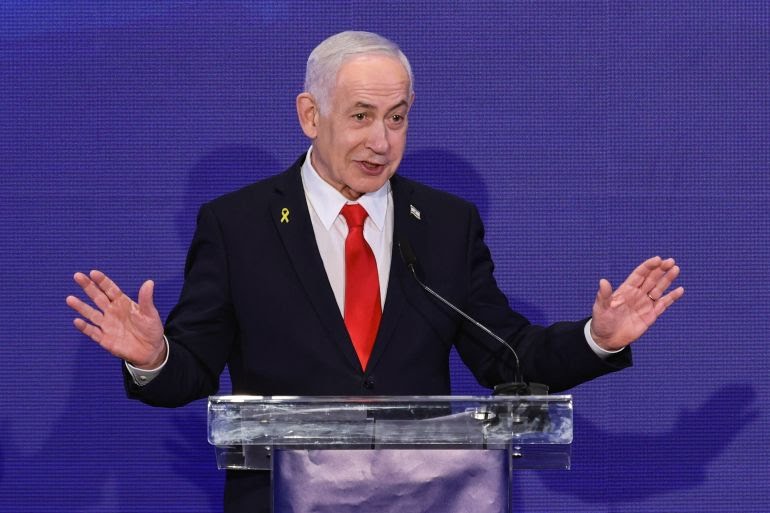
DZWatch Exclusive: In a move likely to escalate tensions in the Horn of Africa, Israeli Prime Minister Benjamin Netanyahu has announced the official recognition of Somaliland as an independent state. This marks the first public acknowledgment of the breakaway region’s sovereignty by the Israeli government.
The announcement follows the signing of an agreement between Israeli and Somaliland representatives to establish full diplomatic relations, including the exchange of ambassadors and the opening of embassies in their respective capitals. The official ceremony was reportedly attended by Israeli Foreign Minister Gideon Saar and Somaliland President Abdirahman Mohamed Abdullahi.
Somaliland, a self-declared republic in northwestern Somalia along the Gulf of Aden, unilaterally declared independence on May 18, 1991, following the collapse of the central government in Somalia and the ousting of President Siad Barre. Historically, the region was a British protectorate from 1884 to 1960, while southern Somalia was under Italian colonial rule. In June 1960, Somaliland gained independence from Britain and subsequently joined with southern Somalia, which gained independence on July 1 of the same year, to form the unified Republic of Somalia.
However, during the 1980s, an uprising against Siad Barre’s regime erupted in the northern region, met with brutal repression by the government. Reports indicate that over 50,000 people died following government airstrikes on Hargeisa, the capital of the breakaway region. After this bloody civil war and the collapse of the central government, Somaliland declared its secession unilaterally, a move that has not been recognized by the Somali Federal Government in Mogadishu or the international community for over three decades.
The recognition by Israel is a significant development that could reshape the geopolitical landscape of the Horn of Africa. Somaliland occupies approximately 137,600 square kilometers and has a population of around six million people. Its strategic location on the Red Sea and the Gulf of Aden gives it considerable importance as a key maritime route. The implications of this recognition are far-reaching and warrant close monitoring.