Algeria Urges Strong Action on DRC Crisis at AU Meeting
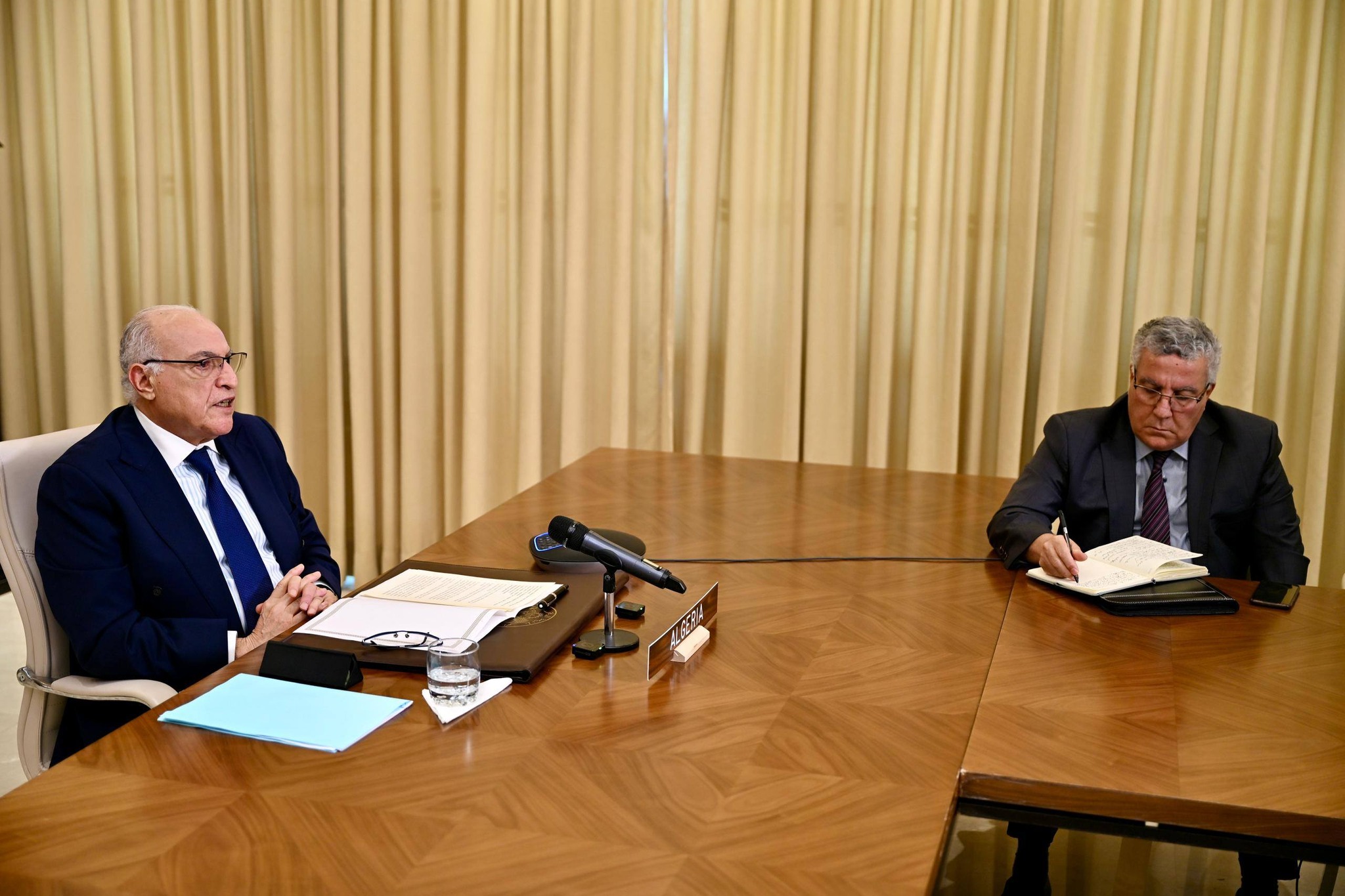
Algeria has called for decisive action to address the deteriorating situation in the Democratic Republic of Congo (DRC) and the Great Lakes region. During a ministerial meeting of the African Union’s Peace and Security Council, the Algerian representative delivered a forceful statement highlighting the critical nature of the crisis.
The representative expressed Algeria’s deep concern over the escalating conflict in eastern DRC, emphasizing the convergence of military escalation, humanitarian suffering, and the failure to uphold agreed-upon commitments. These factors, he argued, threaten not only the DRC’s security but also the stability of the entire Great Lakes region and the African continent.
“We are witnessing a dangerous military escalation that directly challenges the sovereignty and territorial integrity of one of our member states, namely the Democratic Republic of Congo,” the representative stated. Algeria strongly condemns all violations committed by armed groups, including the recent occupation of the town of ‘Uvira’ in South Kivu by the AFC/M23 coalition. Such actions undermine peace efforts, erode trust among regional actors, and risk destabilizing the entire region.
The humanitarian dimension of the conflict has reached alarming levels, the representative warned, demanding immediate attention. Algeria is deeply troubled by the rapidly worsening humanitarian crisis in eastern DRC, which has already displaced over 5.7 million people, with nearly 25 million facing acute food insecurity.
Of particular concern is the ongoing deterioration of the situation on the ground despite commitments made by the parties within the Washington and Doha agreements. While these agreements were initially welcomed with renewed hope for restoring peace and stability in the region through diplomatic means, a significant gap remains between the pledges made and the reality on the ground.
Algeria urged all parties involved to prioritize dialogue and de-escalation. The nation reiterated its commitment to supporting regional efforts aimed at finding a lasting and peaceful solution to the conflict in the DRC, emphasizing the importance of upholding the principles of sovereignty, territorial integrity, and non-interference.