President Tebboune Affirms Commitment to Protecting Purchasing Power
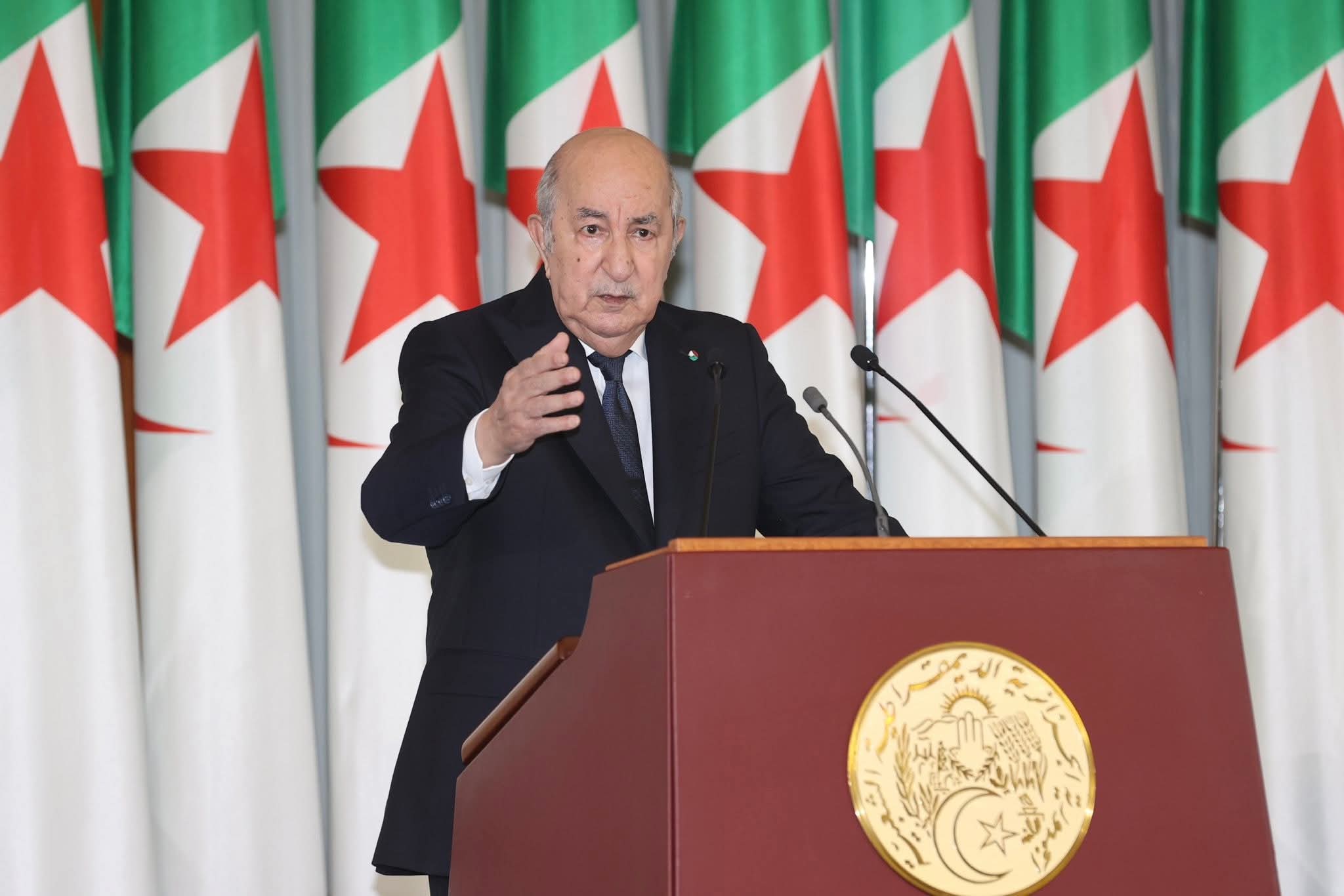
In a comprehensive address to the nation delivered before the Parliament, President Abdelmadjid Tebboune addressed the critical issue of citizens’ purchasing power. He framed the discussion surrounding the minimum wage, placing it within the broader context of the Algerian socio-economic landscape.
President Tebboune refuted claims suggesting that Algeria’s minimum wage is equivalent to a mere 160 euros. He emphasized that such comparisons often overlook key factors that significantly contribute to the well-being of Algerian citizens. A cornerstone of this is the complete state-funded provision of free education at all levels, including higher education. This, he stressed, is a significant social achievement.
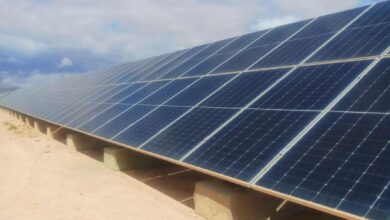
The President also highlighted the extensive subsidy programs in place for the energy and water sectors. He pointed out that electricity prices in Algeria are heavily subsidized, with consumers paying approximately 25% of what would be charged in many European countries. Regarding water, he noted that the state bears a cost of around $1.50 per cubic meter, particularly for desalinated water.
President Tebboune asserted that this comprehensive support, coupled with other social measures, directly contributes to safeguarding citizens’ purchasing power and preserving their dignity. He emphasized that the government’s approach is not based on empty promises, but on guaranteeing a minimum wage that ensures a dignified standard of living and provides for basic needs.
Furthermore, President Tebboune stated firmly that the state will not tolerate any actions that negatively impact the daily lives of citizens. He warned of strict penalties and measures against anyone found manipulating prices or exploiting the situation to undermine purchasing power. The government is committed to ensuring fair practices and protecting consumers.
In closing, President Tebboune reiterated the state’s commitment to its social agenda, placing the citizen at the heart of its concerns. This will be achieved through realistic and balanced policies that take into account the specific characteristics of the national economy and maintain social stability. The focus remains on sustainable development and equitable distribution of resources.