West Bank Violence: Netanyahu’s Claim of 70 Culprits Deceptive

Recent violence in the West Bank, including arson attacks on Palestinian homes, businesses, and vehicles east of Qalqilya, has sparked renewed debate about accountability. An assessment challenges Israeli Prime Minister Benjamin Netanyahu’s assertion that only a small group of individuals are responsible for the escalating unrest.
The analysis suggests that Netanyahu’s claim that just 70 young people are to blame for the violence is a gross oversimplification. It argues that the state itself bears a significant responsibility, particularly given the presence of Israeli soldiers who, it is alleged, fail to adequately protect Palestinian residents as required by international law.
The piece contests the notion that the violence is merely the work of a few rogue actors. Instead, it characterizes it as a widespread phenomenon tolerated, if not actively supported, by state institutions, including the government, the military, and law enforcement agencies.
Attempts to attribute the violence to a limited number of individuals are seen as an effort to deny the systematic nature of the attacks and to deflect political and moral responsibility from the state. The more accurate figure is not 70, but rather closer to the entire Israeli population, suggesting a broader complicity or at least acceptance of the situation.
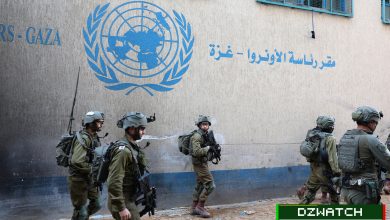
The analysis emphasizes the presence of the Israeli army in the region, noting its alleged failure or unwillingness to fulfill its duty to protect Palestinian civilians under international law. This inaction implicates the state as a partner in the consequences of the violence.
Ultimately, the piece suggests that the continued attacks and the lack of accountability for perpetrators are linked to a broader objective: the forced displacement of Palestinians from the area. The international community is urged to scrutinize the situation and hold all responsible parties accountable. The ongoing situation demands immediate attention and a commitment to upholding international law.