Algiers Governor Pushes for Digitalization of Citizen Services
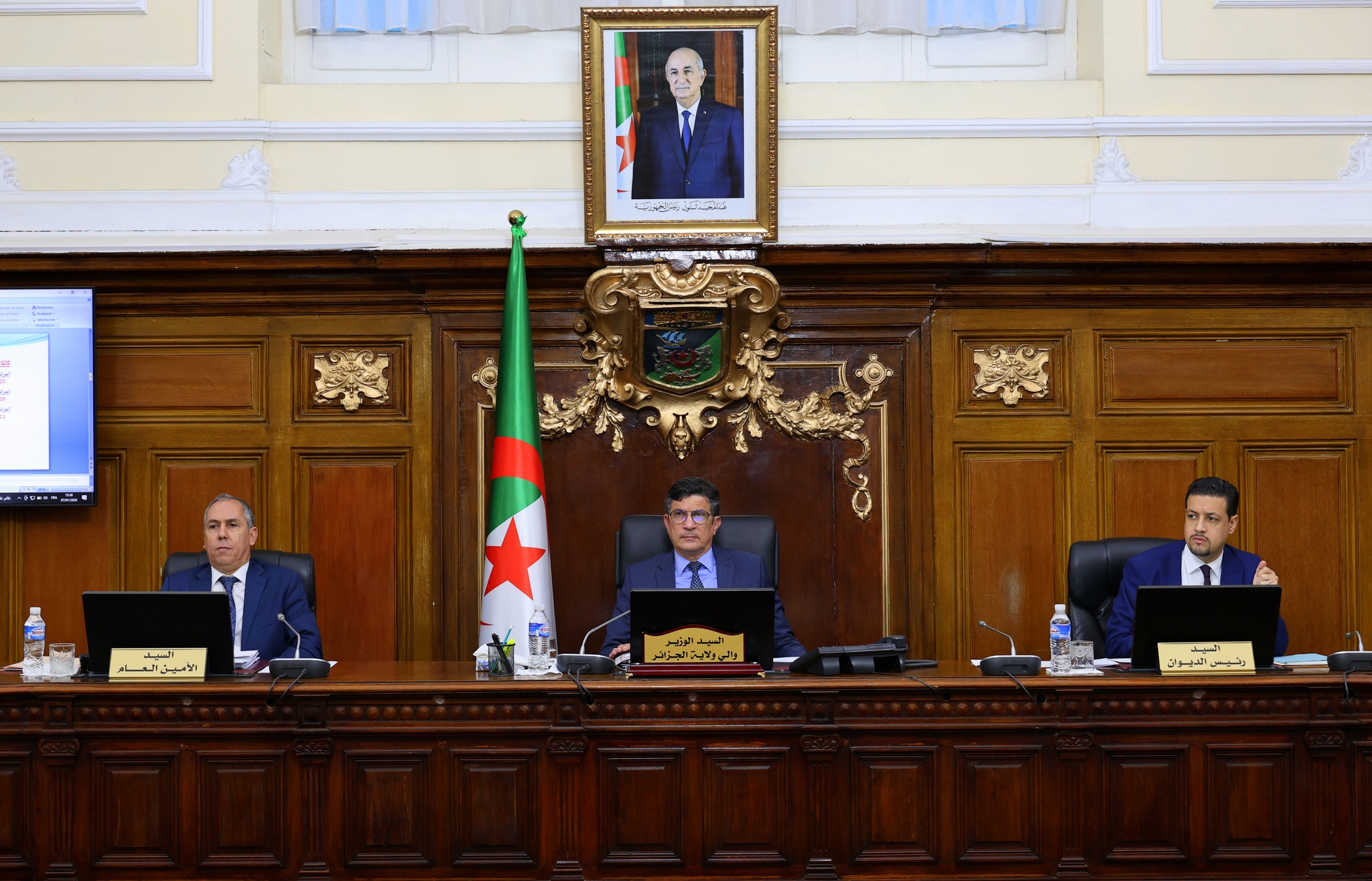
The Governor of Algiers, Mohamed Abdenour Rabhi, chaired a meeting of the Wilaya Executive Council yesterday, focusing on key issues including the handling of citizen petitions and concerns. The meeting reviewed the processing of petitions from September 29th to December 31st, 2025, revealing that 1412 out of 1470 petitions were addressed, achieving a 96% response rate.
The local representative of the Mediator of the Republic presented detailed statistics, indicating the receipt of 2664 petitions, with 97% of them being processed. In response, the Governor emphasized the need to accelerate the digitalization and standardization of mechanisms for receiving and addressing citizen concerns. He also stressed the importance of conducting surprise field visits to enhance oversight, particularly regarding reception conditions and the quality of service in public administrations and institutions.
The council also discussed preparations for the upcoming holy month of Ramadan. Measures to ensure the supply of essential goods to the market were reviewed, along with the processing of solidarity grant applications. Programs for mosque renovation, ensuring potable water supply, household waste collection, and the animation of Algiers during Ramadan were also addressed.
Regarding preparations for the summer season, a presentation was given on the development of beaches and tourist sites. Shortcomings identified during the previous season were assessed, and efforts are underway to address them to improve reception conditions and enhance the quality of services provided to vacationers.
The Governor received a presentation on the status of small activity zones, including completed and ongoing projects. A proposal was made to create new zones in four locations. The Governor instructed the formation of a specialized committee to inspect the proposed sites and assess their viability.
Finally, the meeting addressed land use plans. The Governor of Algiers stressed the need to finalize studies and approve all plans across the Wilaya’s municipalities, in coordination with relevant services, within a reasonable timeframe. The focus remains on improving services for citizens and preparing for key upcoming events. Digitalization is seen as crucial to achieving these goals.