Egypt, Jordan Urge Gaza Ceasefire Phase Two Amidst Rising Tensions
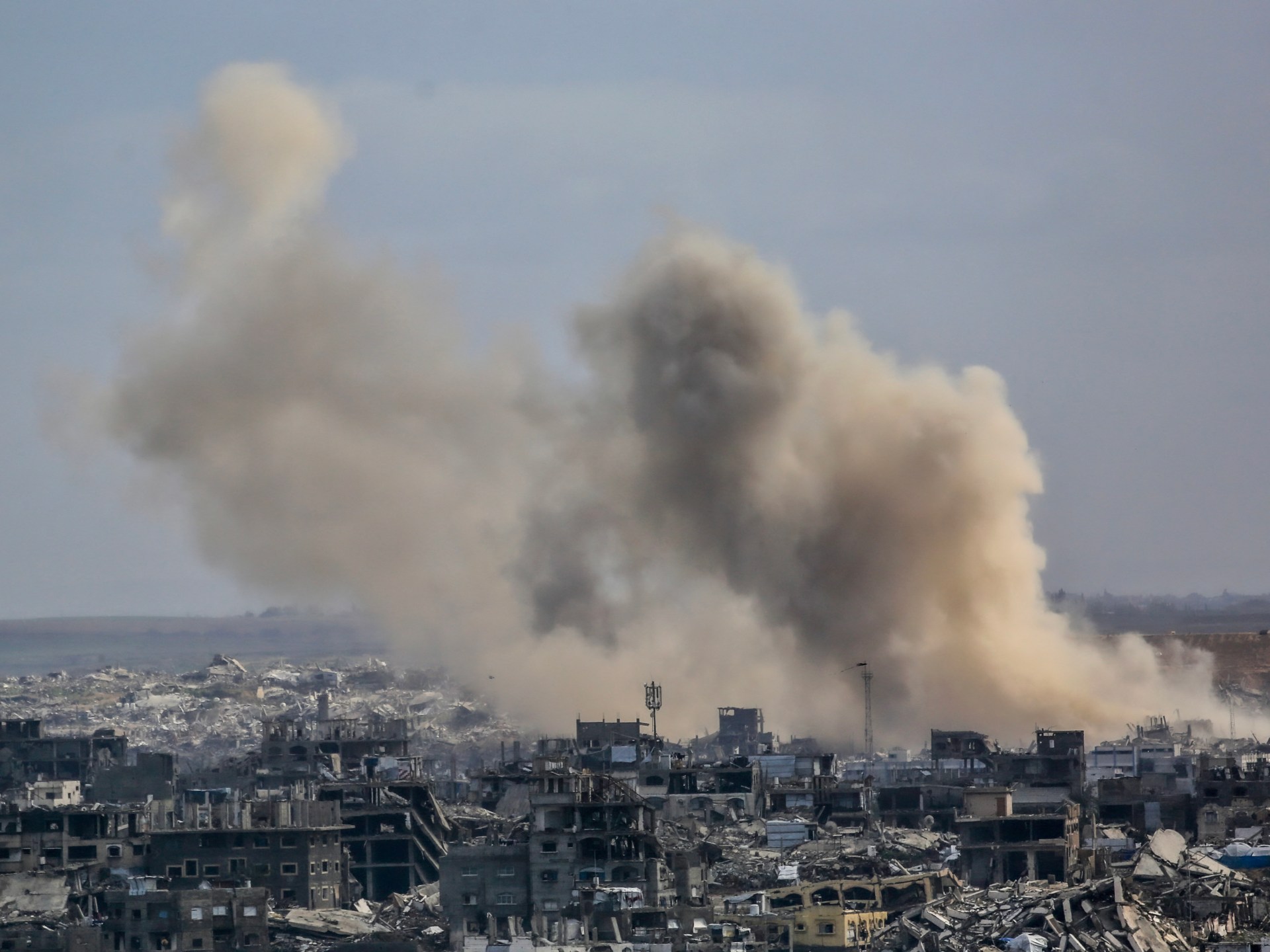
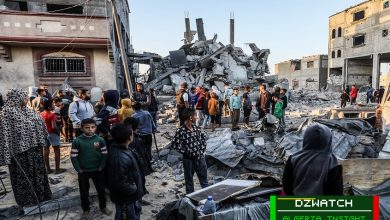
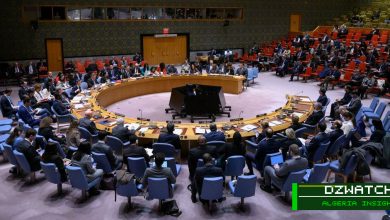
The Foreign Ministers of Jordan and Egypt have jointly called for the full implementation of the Gaza ceasefire agreement, amidst reports of escalating violations and new Israeli military plans. In a phone call on Saturday, Jordanian Foreign Minister Ayman Safadi and his Egyptian counterpart, Badr Abdel-Aati, emphasized the critical need to adhere to the terms of the ceasefire, as outlined in the plan proposed by US President Donald Trump.
Both ministers stressed the importance of ensuring the consistent and adequate flow of humanitarian aid into the Gaza Strip. They further advocated for a swift transition to the second phase of the agreement, focusing on long-term stability and reconstruction efforts.
According to statements released by the Jordanian and Egyptian Foreign Ministries, the ministers highlighted the necessity of announcing the formation of a Palestinian technocratic committee to manage the Gaza Strip. They also underscored the importance of deploying an international stabilization force and creating the conditions necessary for early recovery and reconstruction initiatives.
Safadi and Abdel-Aati jointly appealed for the preservation of the territorial integrity of Palestine, linking the West Bank and Gaza Strip. They emphasized that stabilization efforts must be connected to a clear political horizon that achieves a just and comprehensive peace based on a two-state solution.
The ministers also warned against the dangers of illegal Israeli actions in the West Bank, stating that such actions risk further destabilizing the region and undermining all efforts to de-escalate tensions and achieve a just peace based on a two-state solution.
Meanwhile, concerns are growing over alleged Israeli violations of the existing ceasefire. Reports indicate a concerning trend of breaches, raising questions about the commitment to maintaining the fragile peace.
The first phase of the Gaza ceasefire agreement, initiated on October 10, 2025, aimed to halt hostilities and pave the way for further negotiations. However, the ongoing violations are casting a shadow over the prospects for a lasting resolution and the implementation of the crucial second phase, which is intended to address long-term issues and rebuild the war-torn region.