Yemeni Leader: State Control of Arms Key to Stability
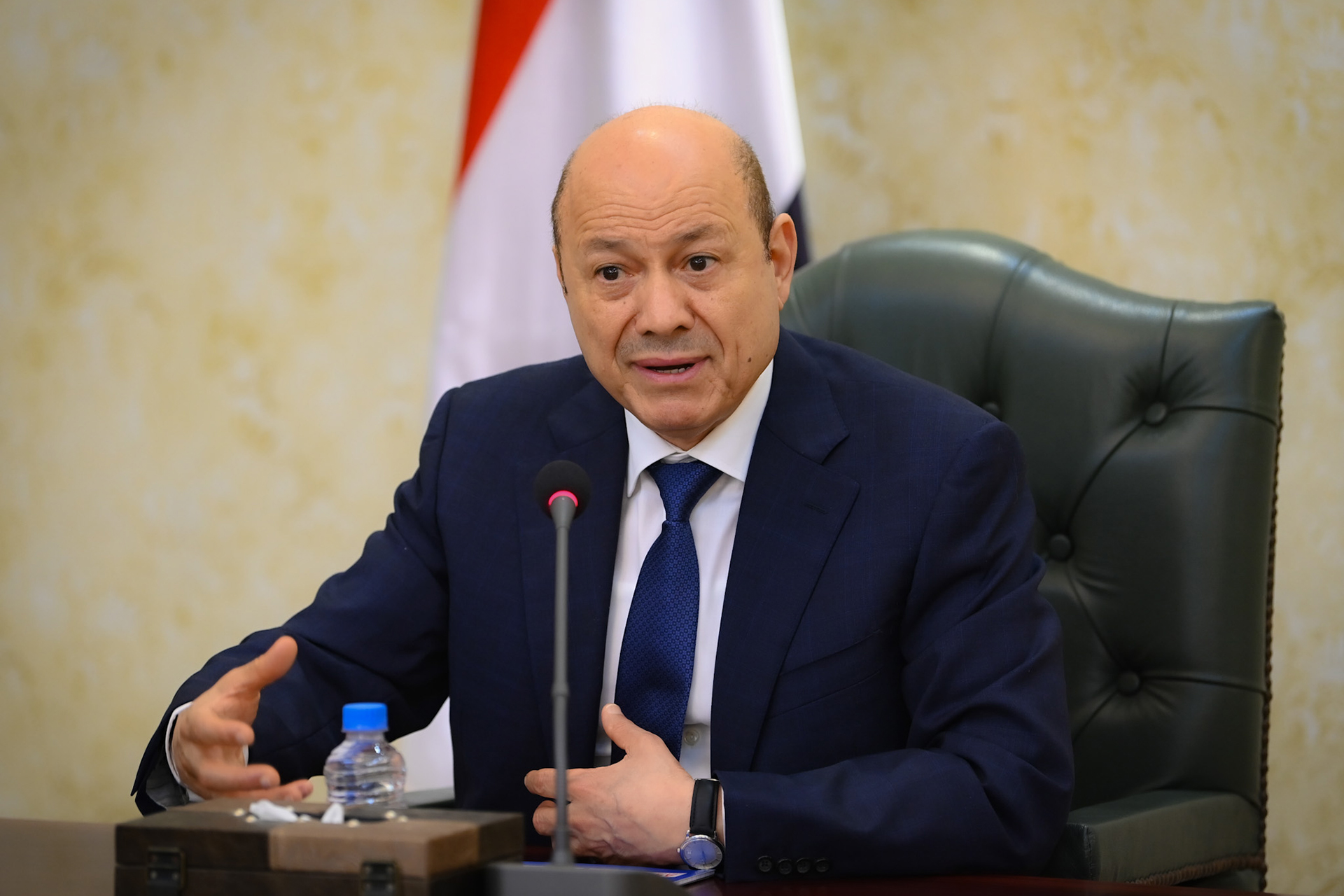
Presidential Leadership Council Chairman Rashad al-Alimi stated that securing military camps in Hadramout and al-Mahra governorates is crucial for restoring state control over weaponry. This move, he emphasized, will pave the way for Yemeni institutions to resume normal operations from within the country.
During a meeting with the British Ambassador to Yemen, Abda Shareef, in Riyadh, Saudi Arabia, al-Alimi affirmed the successful takeover of the camps. He also noted ongoing efforts to normalize the situation in the interim capital, Aden, and other liberated governorates.
Al-Alimi believes this achievement will improve the humanitarian situation, facilitate aid flow, and strengthen confidence with the international community. “The successful handover of the camps represents a foundational step towards reunifying military and security decision-making based on clear institutional foundations,” he said.
He also highlighted the formation of the Higher Military Committee as a comprehensive professional framework responsible for unifying military and security forces and formations. This committee will reorganize them under the auspices of the Ministries of Defense and Interior.
Al-Alimi emphasized the importance of this committee, operating under the leadership of the Coalition to Support Legitimacy, to oversee the various military formations. He previously announced the committee’s formation on Saturday.
Furthermore, al-Alimi considered the Southern Transitional Council’s (STC) decision to dissolve itself as a courageous and responsible one at a pivotal moment. He argued that it reflected an understanding of the sensitivity of the stage and the danger of sliding into internal conflicts that would weaken the internal front in the face of the real threat.
He stressed the importance of dealing responsibly with the consequences of this decision with a mindset that prioritizes the interests of the state, and cautioned against repeating past mistakes that led to exclusion and marginalization, or exploiting legitimate issues to militarize political life. The STC announced its dissolution after a failed attempt to control eastern and southern governorates as part of its project to separate southern Yemen from the north.