Yemen Orders Closure of Illegal Detention Centers: What Does It Mean?
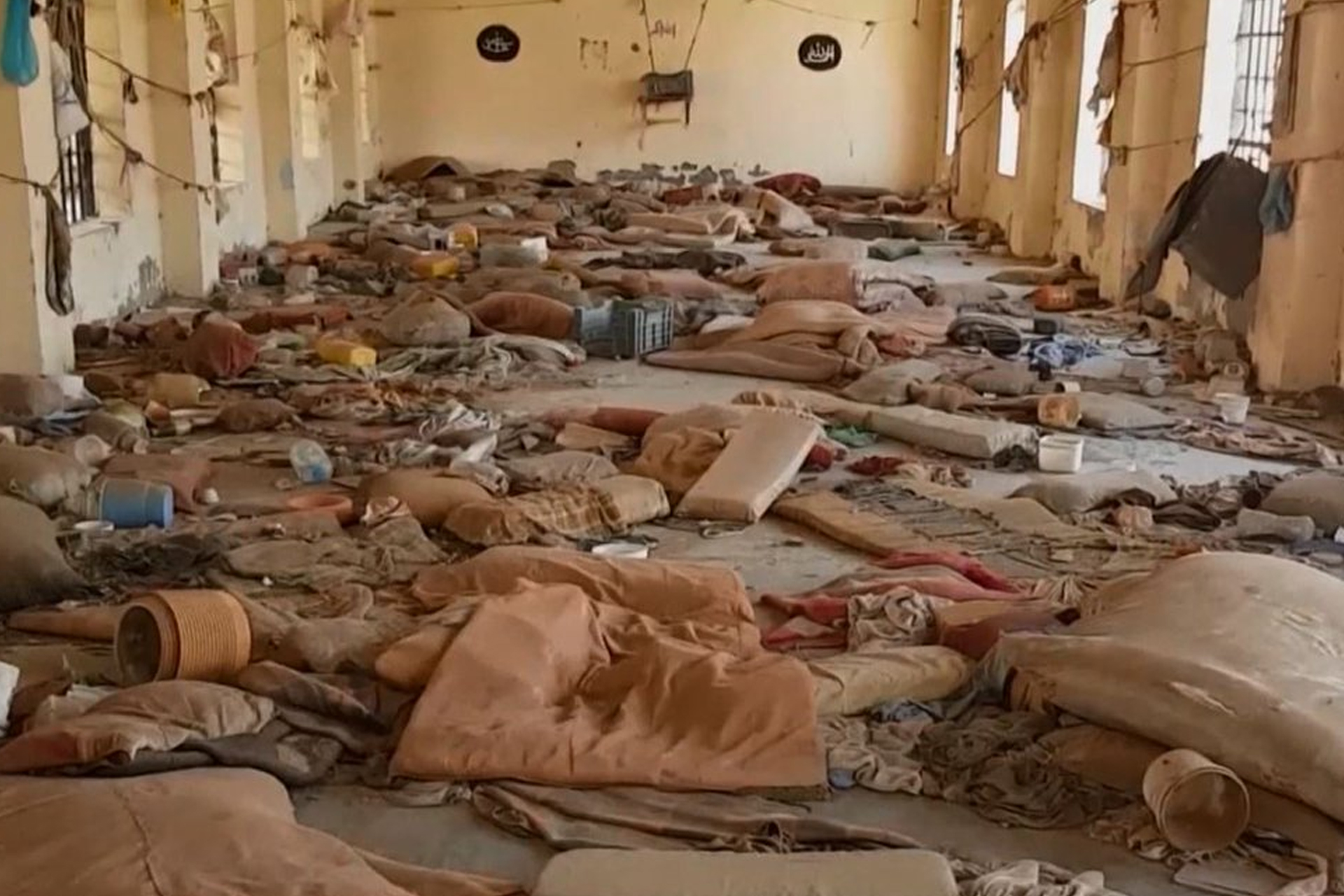
Yemen’s Public Prosecution has begun implementing directives to close illegal prisons and detention centers following an order from the Presidential Leadership Council. The move comes amid calls from human rights organizations to hold those responsible for operating these facilities accountable.
Presidential Leadership Council Head Rashad al-Alimi issued directives to shut down all unauthorized prisons and detention facilities across several governorates. The order mandates the immediate release of individuals held outside the framework of the law.
According to reports, al-Alimi has tasked security and military authorities, in coordination with the Public Prosecution and the Ministry of Justice, with identifying all illegal detention sites in Aden, Lahj, and al-Dhale governorates. They are to develop an urgent plan for their closure, ensuring that detainees are either transferred to official, legally compliant facilities or released if no legal charges can be substantiated against them.
The government news agency reported that al-Alimi’s directive is part of a broader effort to restore state sovereignty and respect human rights. This initiative coincides with the government’s regaining influence in eastern regions of Yemen, such as Hadramout and al-Mahra, and the deployment of government-affiliated forces to Aden. These developments occur against the backdrop of a reduced presence of forces loyal to the Southern Transitional Council, some of whose formations have been accused of managing unofficial detention centers.
Following al-Alimi’s instructions, the Attorney General issued orders to initiate immediate measures to identify and close illegal detention sites. Detainees with pending cases or legal arrest warrants are to be transferred to official prisons, and their cases referred to the relevant prosecution offices. The Attorney General also instructed prison officials and prosecutors to conduct immediate field inspections of detention facilities within their jurisdiction and to release anyone found to be detained unlawfully.
The closure of illegal prisons is a critical step toward upholding the rule of law and protecting human rights in Yemen. However, the true impact will depend on the thoroughness of implementation and the accountability of those who have operated outside the legal framework.