Israel Severs Ties with UN Agencies Over Gaza Stance
In a significant move, Israel’s Foreign Ministry announced Tuesday evening the immediate severing of relations with several United Nations agencies and international organizations. The decision stems from disagreements over their positions regarding the Israeli military actions in the Gaza Strip.
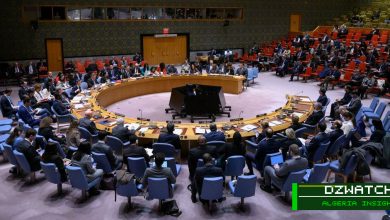
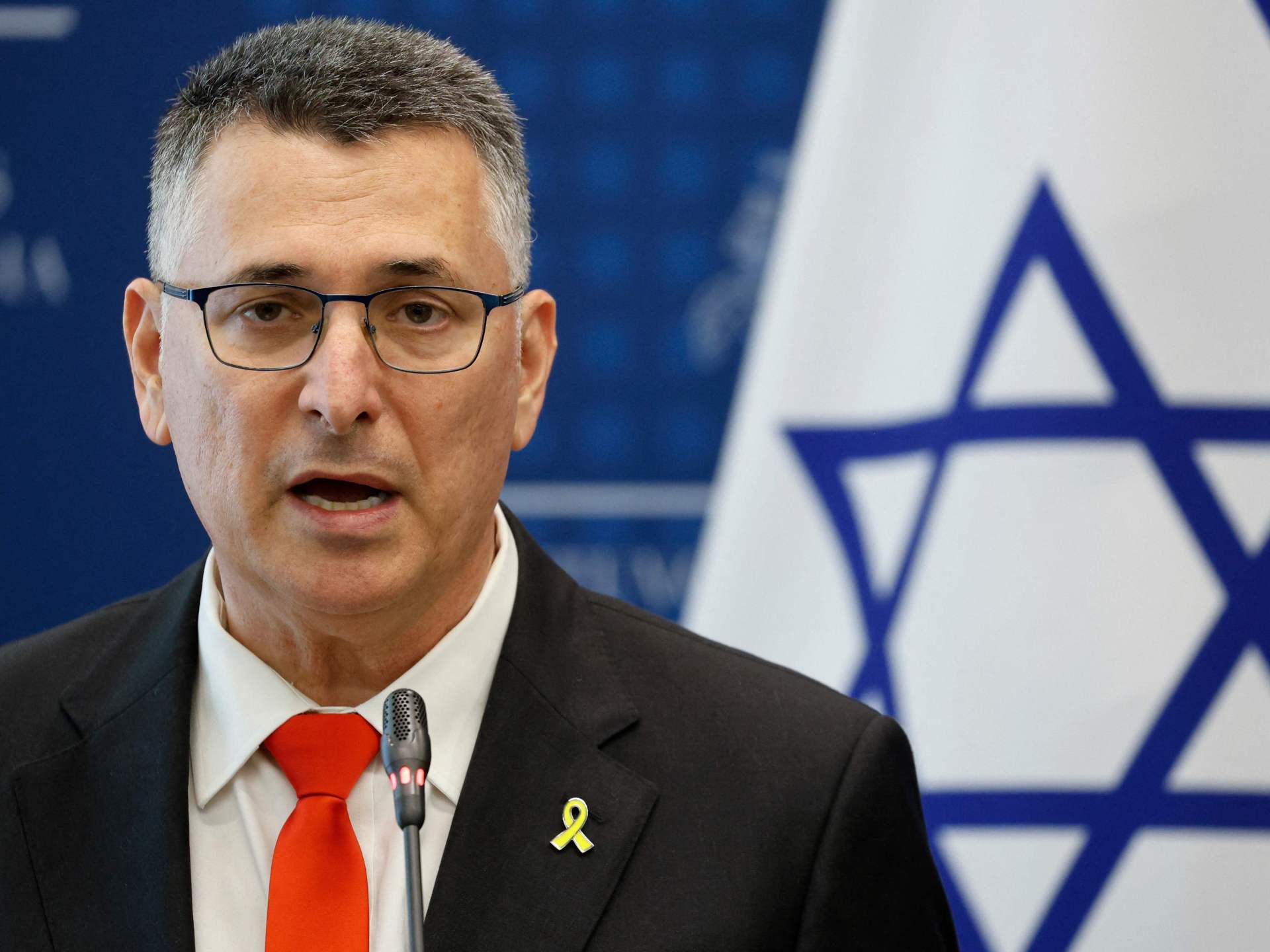
A statement released by the ministry indicated that Foreign Minister Gideon Saar has instructed the immediate cessation of all contact between Israel and the identified UN agencies and international bodies. The ministry has also been directed to review ongoing cooperation between Israel and other organizations, consulting with relevant government ministries as needed.
The decision includes severing ties with the Office of the Special Representative of the Secretary-General for Children and Armed Conflict. The Foreign Ministry cited the office’s 2024 decision to include the Israeli military on a list alongside groups such as ISIS and Boko Haram as the reason for this action.
Furthermore, relations are being cut with UN Women, with the ministry alleging the organization has deliberately ignored instances of sexual violence against Israeli women on October 7, 2023. This claim has been repeatedly denied by Hamas.
Other organizations impacted by the decision include the United Nations Conference on Trade and Development (UNCTAD), the United Nations Economic and Social Commission for Western Asia (ESCWA), the United Nations Alliance of Civilizations, the United Nations Programme on Energy, and the Global Forum on Migration and Development.
The Israeli Foreign Ministry stated that a comprehensive review of other organizations is underway, and further decisions will be made in due course. The ministry also noted that this decision follows a period of discussion that was prompted by the United States’ withdrawal from numerous international organizations.
This action marks a significant shift in Israel’s relationship with the international community and raises questions about the future of its engagement with multilateral institutions. The long-term implications of this decision remain to be seen.