
Social Security Modernization: Algeria Aims to Eliminate Queues Through Digitalization
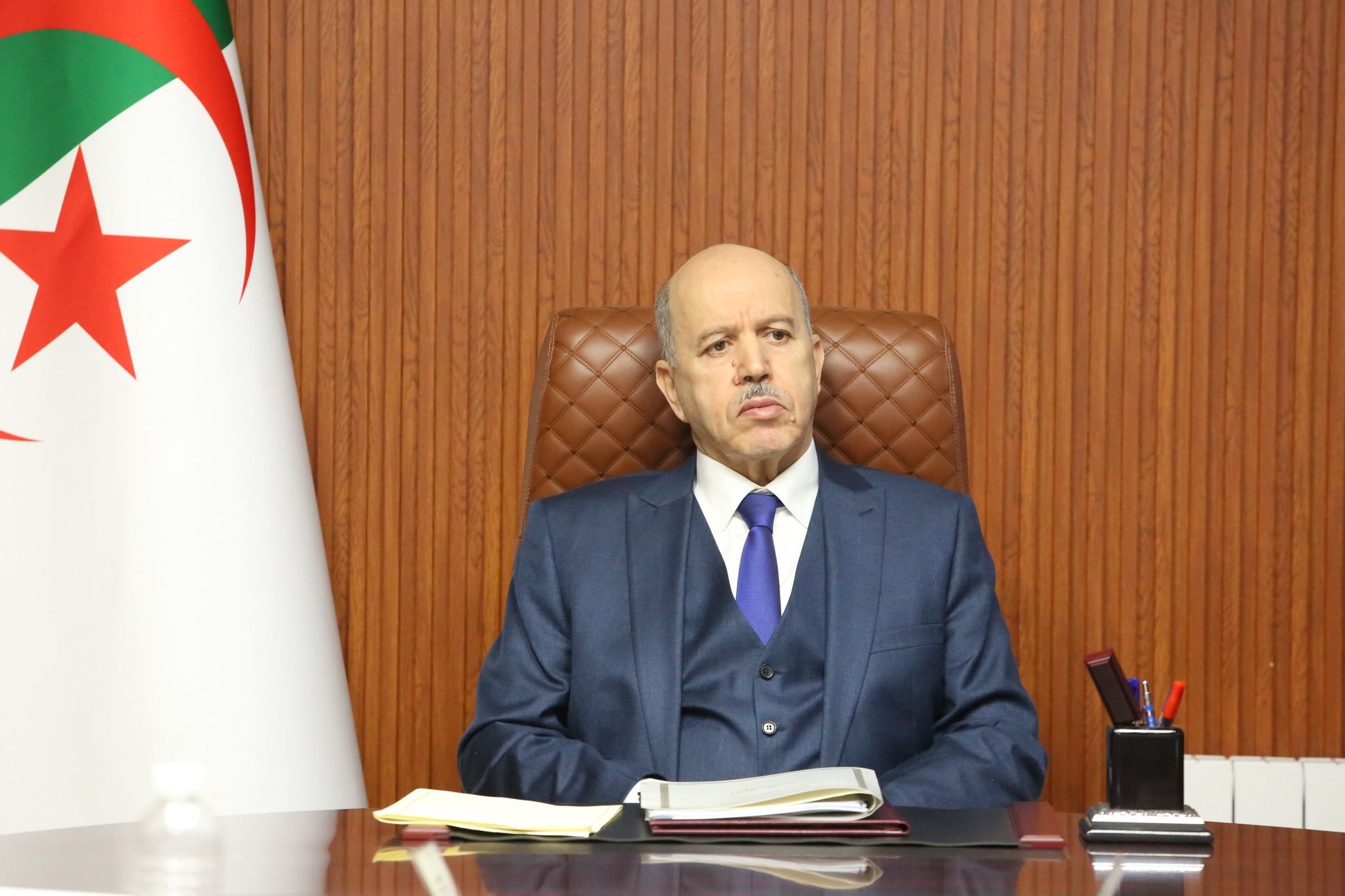
Minister of Labor, Employment, and Social Security, Abdelhak Saihi, chaired a review meeting dedicated to monitoring and evaluating the activities of the National Social Insurance Fund for Salaried Workers (CNAS), as part of ongoing efforts to improve the quality of public service provided to citizens.
According to a statement released by the Ministry, the meeting commenced with a presentation by the Director-General of the Fund, outlining the achievements of December 2025 and highlighting the key pillars of the strategic plan for the period 2026-2030. A central focus of this plan is the modernization of management methods, the widespread adoption of digitalization, and the enhancement of public service quality.
This meeting underscores the Minister’s commitment to evaluating the effectiveness of established management mechanisms, measuring performance indicators, and monitoring the implementation of recommendations aimed at simplifying procedures, expediting the processing of files, and eliminating overcrowding and queues within sector facilities.
Following the presentation and discussion, Minister Saihi issued a series of firm instructions, primarily centered on intensifying field visits to various Fund structures and facilities. The goal is to directly assess the delivery of public services and the quality of care provided to insured individuals. Furthermore, he emphasized the importance of organizing regular visits to institutions contracted with the Fund to monitor compliance with health care standards for insured individuals and their dependents.
The Minister stressed the need for swift and efficient processing of files and payment requests, ensuring that beneficiaries receive their full rights within the specified timeframes. He emphasized the exclusive use of interactive digital platforms for receiving requests and addressing concerns, enabling the provision of remote services and the complete elimination of paper-based transactions.
Saihi also highlighted the importance of rationalizing expenditures and improving management efficiency without compromising the rights of users or the quality of services provided. In the area of human resources, the Minister called for investment in personnel through continuous training, particularly distance learning programs culminating in certifications that enable workers to develop their skills and advance in their careers.
In closing, the Minister reiterated that improving public service, eliminating queues and waiting rooms, and transitioning entirely to remote digital services are core strategic objectives within the Ministry’s action plans. He affirmed his personal and ongoing monitoring of the implementation of these directives, ensuring a modern, efficient, and citizen-centric public service.