Yemen: Presidential Shakeup Leads to Investigation, Resignation
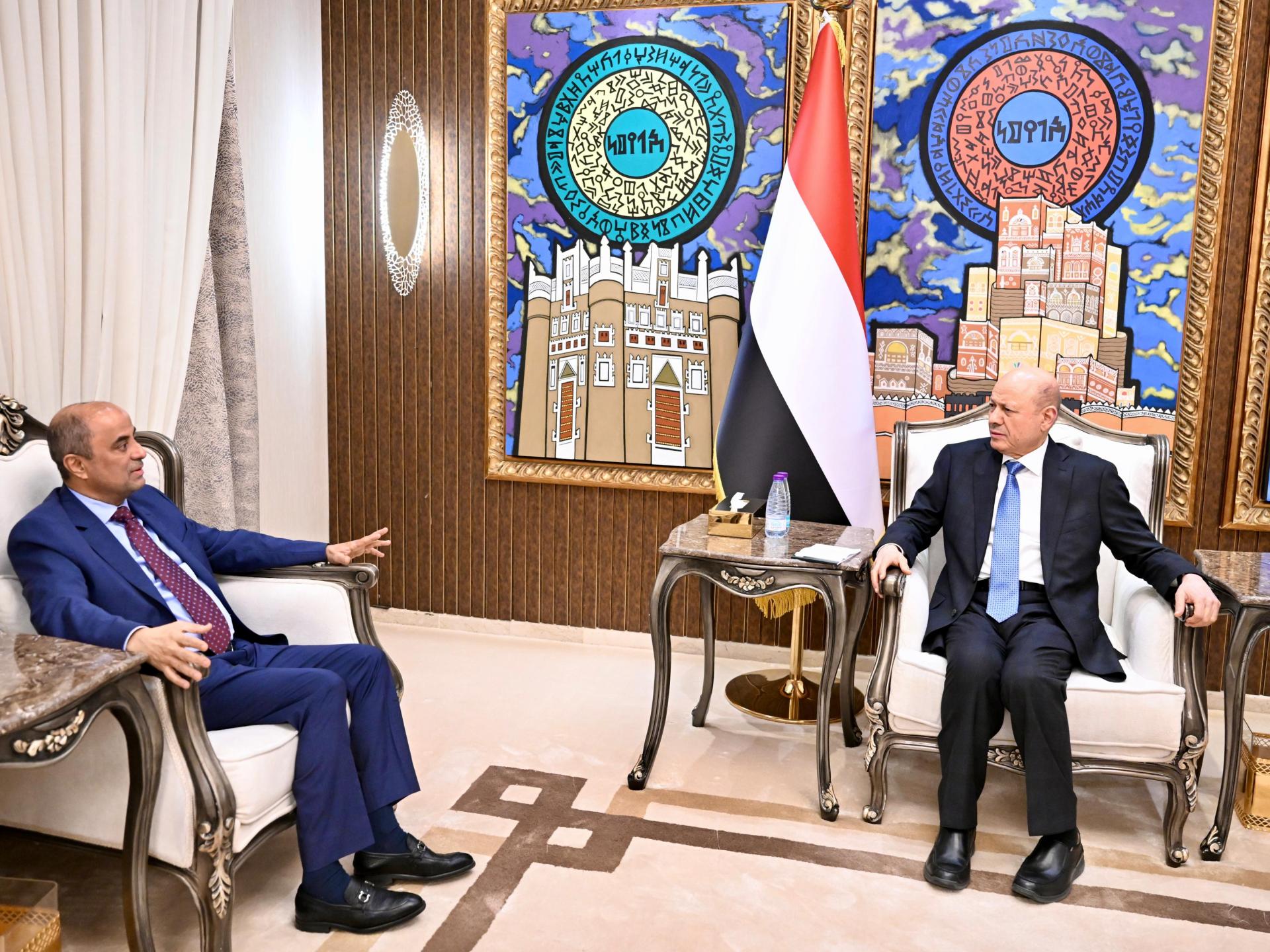
Yemen is experiencing a period of intense political upheaval, marked by a series of significant presidential decisions from the Presidential Leadership Council in recent hours. These actions include a high-profile investigation, the removal of a key member, and the resignation of the government.
Investigation Launched into Aidarous al-Zubaidi
The Yemeni Attorney General, Qaher Mustafa, announced on Thursday the formation of a committee to investigate allegations against Aidarous al-Zubaidi, former head of the Southern Transitional Council (STC). According to reports, the accusations against al-Zubaidi include high treason, forming an armed gang, committing murder against officers and soldiers, exploiting the southern issue, and damaging it through grave violations against civilians. He is also accused of sabotaging military installations and sites, attacking the constitution and constitutional authorities, and compromising the country’s sovereignty and independence.
This investigation follows an earlier decision by Presidential Leadership Council head Rashad al-Alimi to remove al-Zubaidi from the council and accuse him of high treason, distributing weapons, forming armed groups, and committing violations against civilians before referring him to the Attorney General.
Allegations Against Faraj al-Bahsani
Faraj Salmin al-Bahsani, formerly a member of the Presidential Leadership Council, has also been implicated in the recent events. Al-Bahsani, also the deputy head of the STC and a political ally of al-Zubaidi, is accused of supporting the STC’s unilateral actions toward Hadramout and al-Mahra.
The presidency justified its decision to remove al-Bahsani by stating that he violated the principle of collective responsibility and breached his constitutional and legal duties. It further alleged that he mobilized STC forces from outside Hadramout with the intention of attacking the province and its institutions.
These developments signal a significant shift in Yemen’s political landscape, raising questions about the future stability of the country.