AFCON 2026: Refereeing and Organization Scandals Taint Tournament
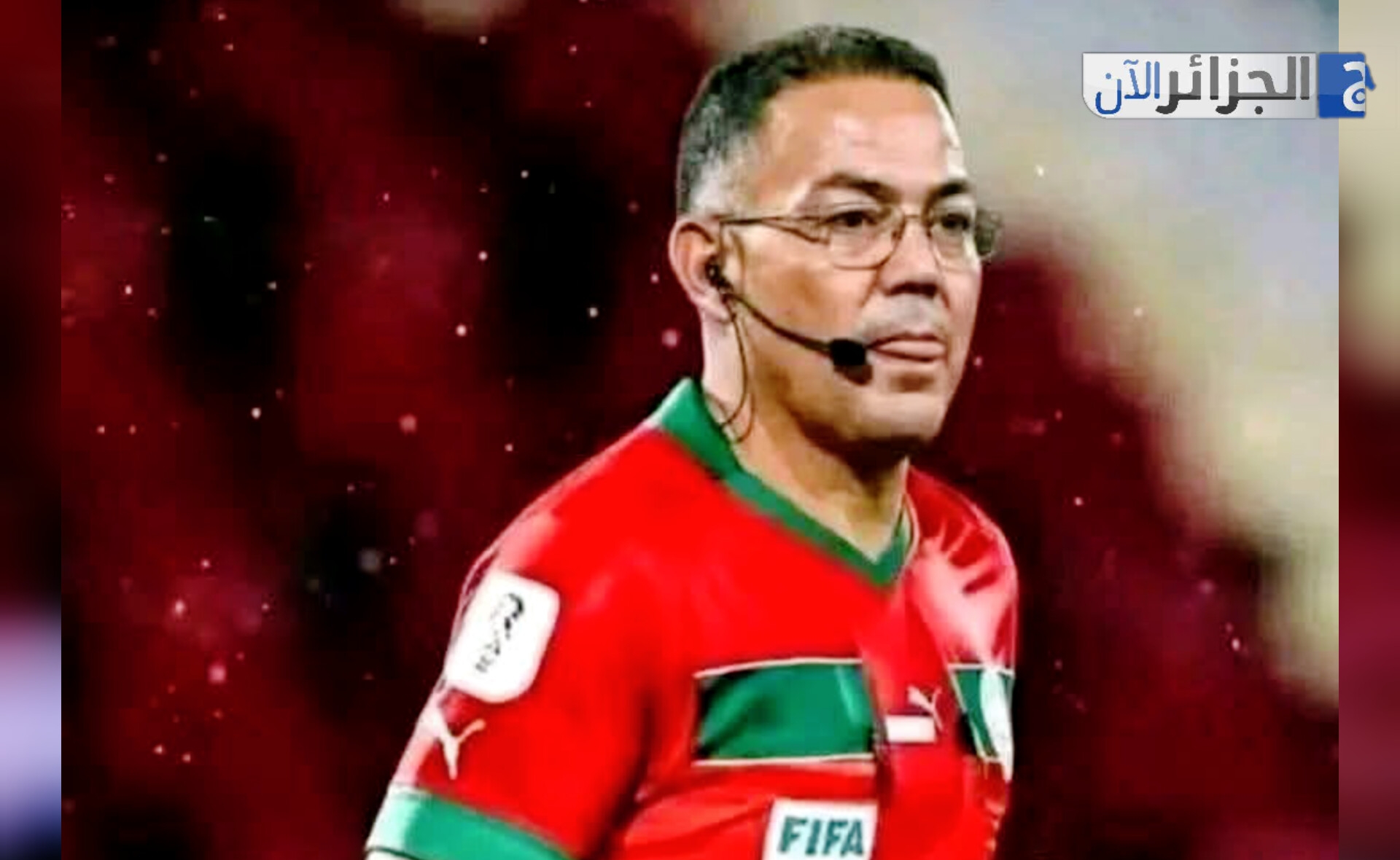
The curtain falls today on the 35th edition of the Africa Cup of Nations, hosted by Morocco, with a final match between the home team and Senegal. However, this conclusion lacks a celebratory atmosphere, instead marking the end of one of the most controversial tournaments in the competition’s history. What was intended as a unifying football event has devolved into a series of doubts, accusations, and scandals concerning refereeing, organization, and even the safety of participants.
Refereeing Chaos and Game-Changing Errors
Never before has the Africa Cup of Nations witnessed such a high volume of impactful and direct refereeing errors. Crucial decisions were made based on questionable calls, with goals and penalties altering match outcomes and unfairly eliminating teams. The Algerian national team was among the most prominent victims of this refereeing farce, exiting the competition after a controversial match against Nigeria. This prompted the Algerian Football Federation to issue an unprecedented official statement condemning what it described as “flagrant” errors that influenced the game’s result.
Instead of launching a serious investigation, the Confederation of African Football (CAF) chose to target Algerian players, demanding investigations into their protests against the referee – a move widely interpreted as an attempt to distort the truth.
Other Teams Pay the Price… One Beneficiary
Algeria was not alone. The Cameroonian national team also publicly complained about suspicious refereeing in their match against the host nation. The Cameroonian Federation even officially objected to the appointment of Arab referees for all their matches, deeming it a violation of the principle of fair play. Notably, the common thread among most controversial refereeing decisions was their tendency to favor the Moroccan national team. A dubious penalty awarded against Comoros, contrasted with the denial of clear penalties to Mali, Tanzania, and Cameroon in their matches against Morocco, fueled a widespread feeling that the scales of justice were heavily tilted.
Underlying Pressure and Suspicions of Manipulation
The issues extend beyond the referee’s whistle.