Algeria Bets on Research to Boost Grain Production, Food Security
Algeria is placing a significant emphasis on scientific research to enhance the production of cereals and pulses, aiming to bolster national food security. This initiative reflects a strategic move to reduce reliance on imports and foster sustainable agricultural practices.
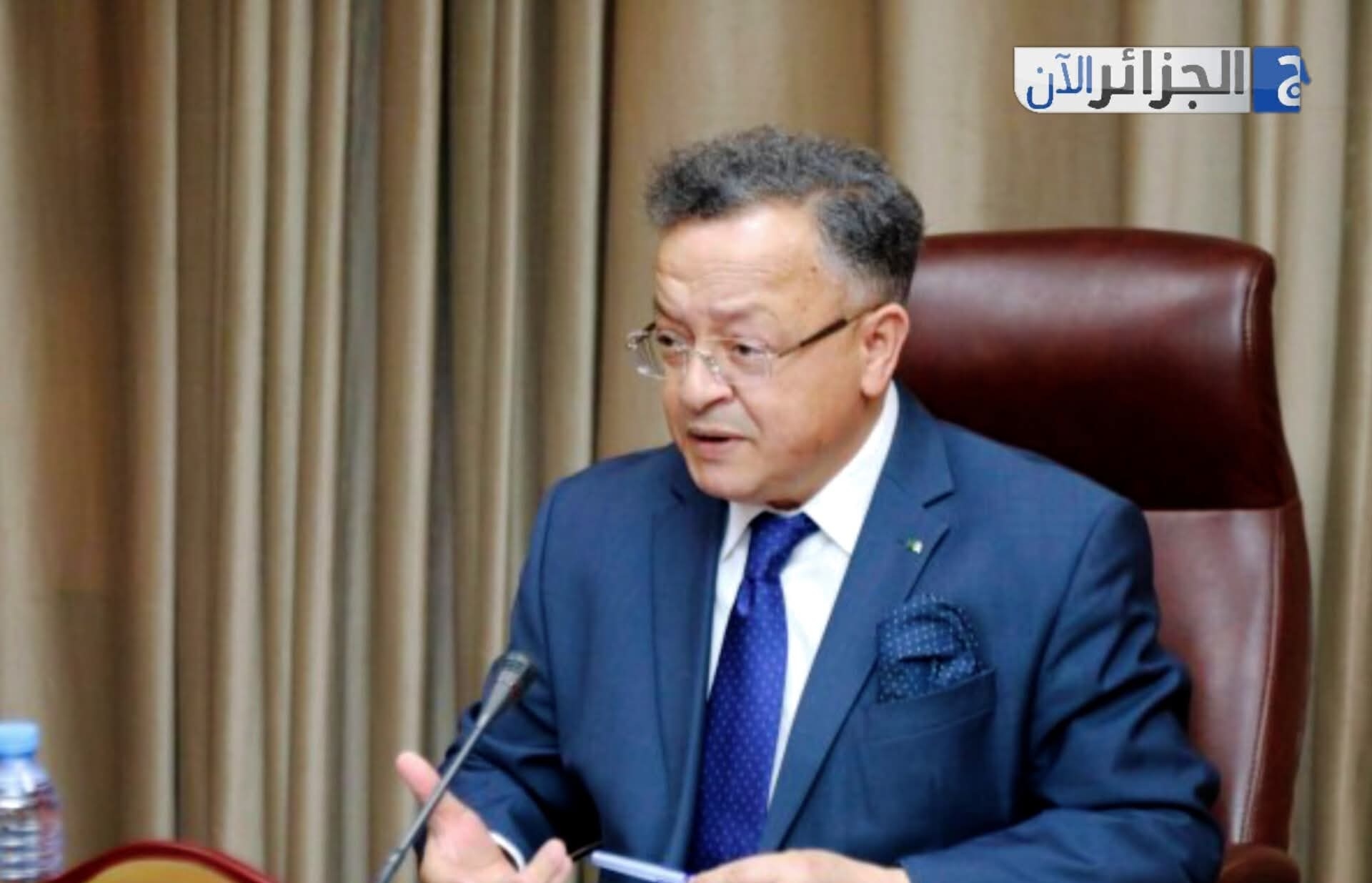
A national study day was convened on Tuesday, bringing together key stakeholders to discuss the integration of scientific research findings into the development of grain and pulse sectors. The event, held at the Higher Institute of Management and Planning in Bordj El Bahri, highlighted the importance of collaboration between the higher education and agriculture sectors.
The primary objective of the meeting was to strengthen coordination between academic research and practical application in the agricultural field. By leveraging research outputs, Algeria aims to improve agricultural productivity and enhance the quality of crops, particularly in strategic sectors crucial for national food security.
Participants emphasized the need to connect universities with the economic and agricultural environment, encouraging partnerships between research centers, universities, and agricultural institutions. The goal is to develop improved varieties of grains and pulses that can adapt to climate change and ensure sustainable production.
During the event, several successful research experiments were presented, demonstrating the effectiveness of scientific innovation in increasing production and reducing dependence on imports. Emphasis was placed on the importance of providing farmers with training and technical support to ensure the optimal application of research findings in the field.
This initiative aligns with the state’s commitment to achieving food sovereignty by supporting applied scientific research and promoting integration across various sectors. Such efforts are intended to serve agricultural development and the national economy in the medium and long term. The focus on research and development signals Algeria’s dedication to building a more resilient and self-sufficient agricultural sector.