
Vocational Training: Algeria Announces Over 285,000 New Training Places
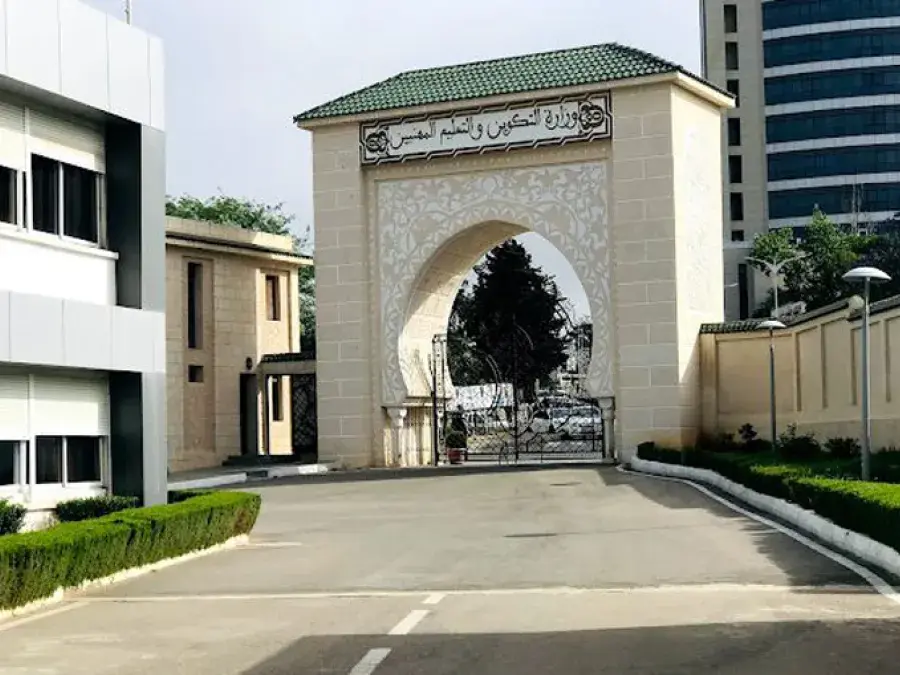
Algeria’s vocational training sector is set to offer over 285,000 new training places nationwide for the upcoming training session scheduled to begin on February 15th. This significant increase aims to bolster the country’s skilled workforce and address evolving economic needs.
According to Fouad Khetal, Director of Studies at the Ministry, the new places encompass various training modalities. This includes 57,155 new places for apprenticeship-based training and 32,641 for full-time residential programs. Opportunities are also available through evening classes, training programs for women in rural areas and stay-at-home mothers, as well as dedicated programs for individuals with special needs and beneficiaries of unemployment benefits.
Khetal emphasized the strategic importance of apprenticeship-based training. He described it as a “strategic mechanism for linking training with the labor market and facilitating professional integration,” as it combines theoretical instruction within training institutions with practical, on-the-job experience within economic enterprises.
To prepare for the upcoming session, the Ministry has reportedly mobilized all necessary resources, including pedagogical and technical equipment, as well as expanding the range of specializations offered at training institutions. New specializations have been introduced in certain regions, including data analysis, solar panel installation and maintenance, and e-commerce.
Khetal highlighted that the National Reference Framework for Training and Competencies encompasses a wide array of specializations. This framework supersedes the previous national code, which included over 400 specializations across 23 professional sectors.
Through its training offerings, the sector prioritizes professional fields deemed crucial for Algeria’s economic development, such as agriculture, industry, digitalization, construction and public works, tourism and hospitality, water and environment, and renewable energy. The Director of Studies reiterated that measures have been taken to ensure training aligns with the demands of the job market and meets the needs expressed by economic enterprises for qualified labor.