Is War Iran’s Only Option Amidst Rising Tensions?
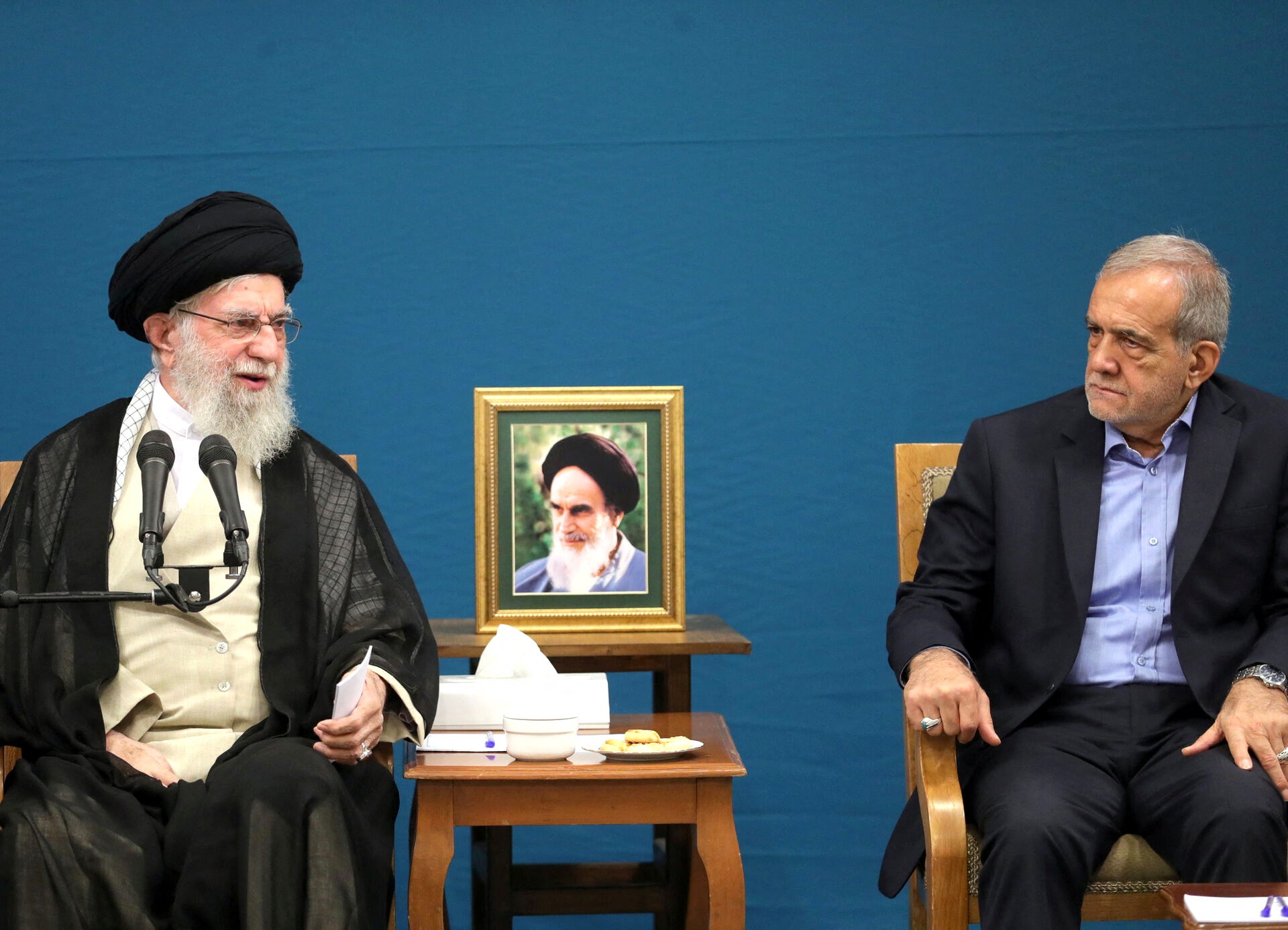
Speculation is mounting regarding a potential military action by the United States against Iran. While the exact nature or even the certainty of such an operation remains unclear, analysts suggest that Iran may perceive itself as having no alternative but to prepare for conflict, particularly given what it sees as increasingly stringent demands disguised as negotiation.
Escalating tensions, marked by significant military and media mobilization in recent hours, have shifted the discourse toward the timing and form of a possible American strike, rather than debating whether such a strike will occur at all. The situation is further complicated by diplomatic activity, with key U.S. envoys reportedly meeting in Tel Aviv amid reports of strategic American military build-up in the region.
However, this military posture does not necessarily guarantee war. According to former State Department official Thomas Warrick, de-escalation remains possible if Tehran reverses its current policies, including suppressing dissent and executing protestors. Warrick stated that the arrival of the USS Abraham Lincoln carrier strike group serves as a significant deterrent, but the ultimate decision rests with President Trump.
Warrick emphasized the unpredictable nature of President Trump’s decision-making, suggesting that he might even consider targeting Supreme Leader Ali Khamenei, as he did previously with Qassem Soleimani. Ultimately, Trump’s goal appears to be bringing Iran back to the negotiating table, and he might alter his course if Tehran adjusts its behavior toward internal dissent. However, suggestions of the United States launching a war solely in defense of Iranian protestors are being met with skepticism, especially considering past U.S. foreign policy decisions in the region.