Western Leaders Condemn Trump’s Remarks on Afghanistan Troop Contributions
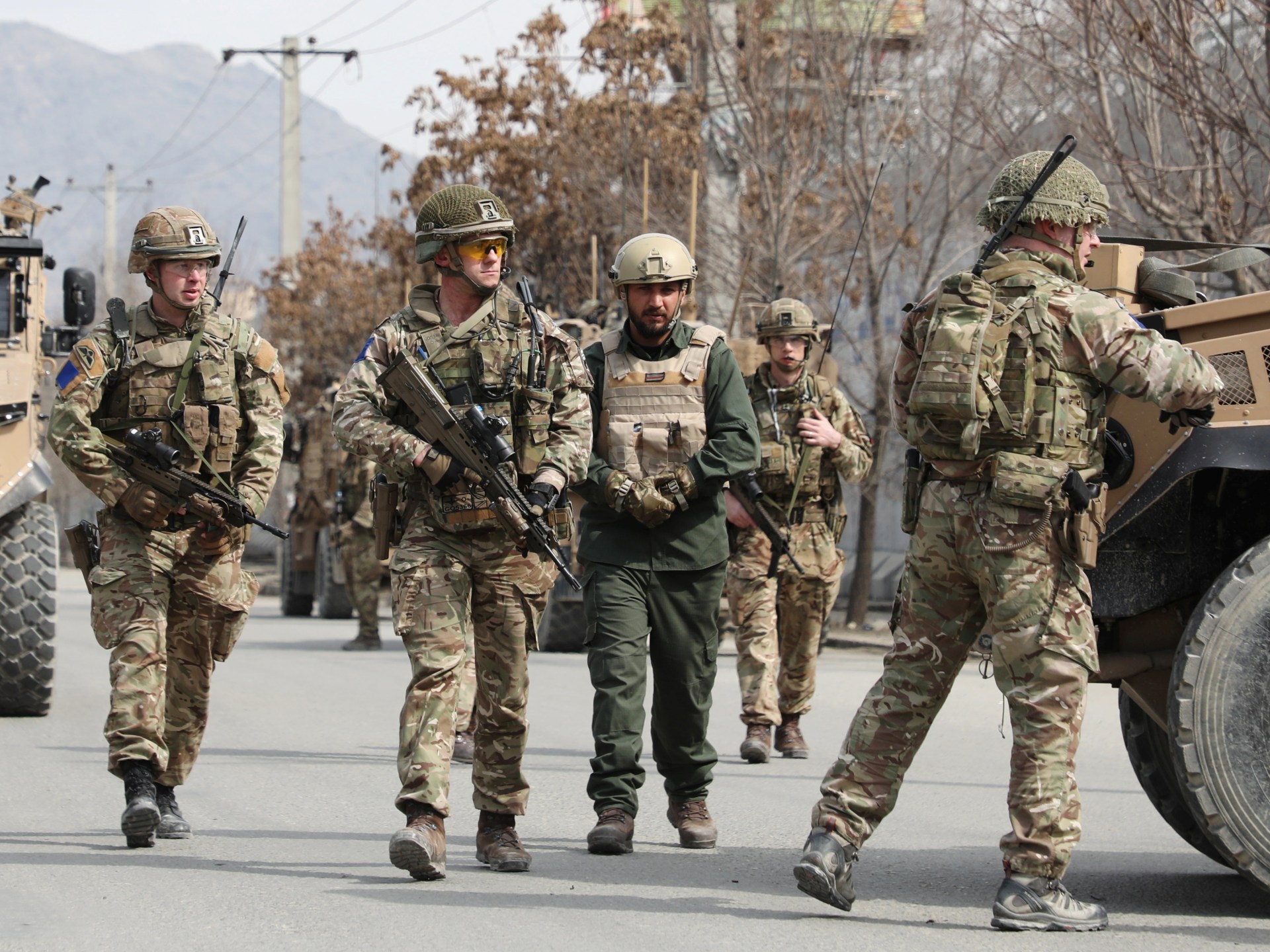
Washington D.C. – A wave of condemnation has swept across Western capitals following remarks made by former U.S. President Donald Trump, seemingly diminishing the contributions of non-American NATO troops during the coalition’s involvement in Afghanistan. The statements have sparked outrage and disbelief amongst key political figures, prompting strong rebukes and reaffirmations of national sacrifices made during the two-decade-long conflict.
Italian Prime Minister Giorgia Meloni expressed her government’s surprise at Trump’s assertion that NATO allies were lagging behind during operations in Afghanistan. She emphasized the significant price Italy paid during the mission, stating, “Over nearly 20 years of NATO operations in Afghanistan, our nation paid an undeniable price: 53 Italian soldiers killed, and more than 700 wounded.” Meloni’s statement underscores the deep sense of national pride and loss felt by many Italians who served in the conflict.
Similarly, Danish Prime Minister Mette Frederiksen sharply criticized Trump’s claim that NATO countries remained in the “back lines” in Afghanistan. Frederiksen took to social media to voice her outrage, stating, “I completely understand what the Danish veterans are saying; there are no words to describe how much pain they feel.” She added, “It is unacceptable for the former U.S. President to question the commitment of allied soldiers in Afghanistan.”
In France, sources close to President Emmanuel Macron conveyed his renewed “gratitude” to the families of French soldiers who fell in Afghanistan, dismissing Trump’s remarks as “unacceptable.” The sources emphasized that Macron’s priority was to console the bereaved families and reaffirm the nation’s respect and remembrance. France maintained a military presence in Afghanistan from 2001 to 2014, suffering casualties during the mission.
Trump’s comments, made public earlier this week, have ignited a fierce debate about the shared burden and sacrifices made by NATO allies in Afghanistan. The backlash highlights the sensitivity surrounding the conflict and the importance of acknowledging the contributions of all nations involved in the effort to combat terrorism and stabilize the region. The remarks threaten to undermine transatlantic relations and raise questions about the future of NATO cooperation.