Academics: Trump’s Policies Rooted in 16th-Century Power Grabs
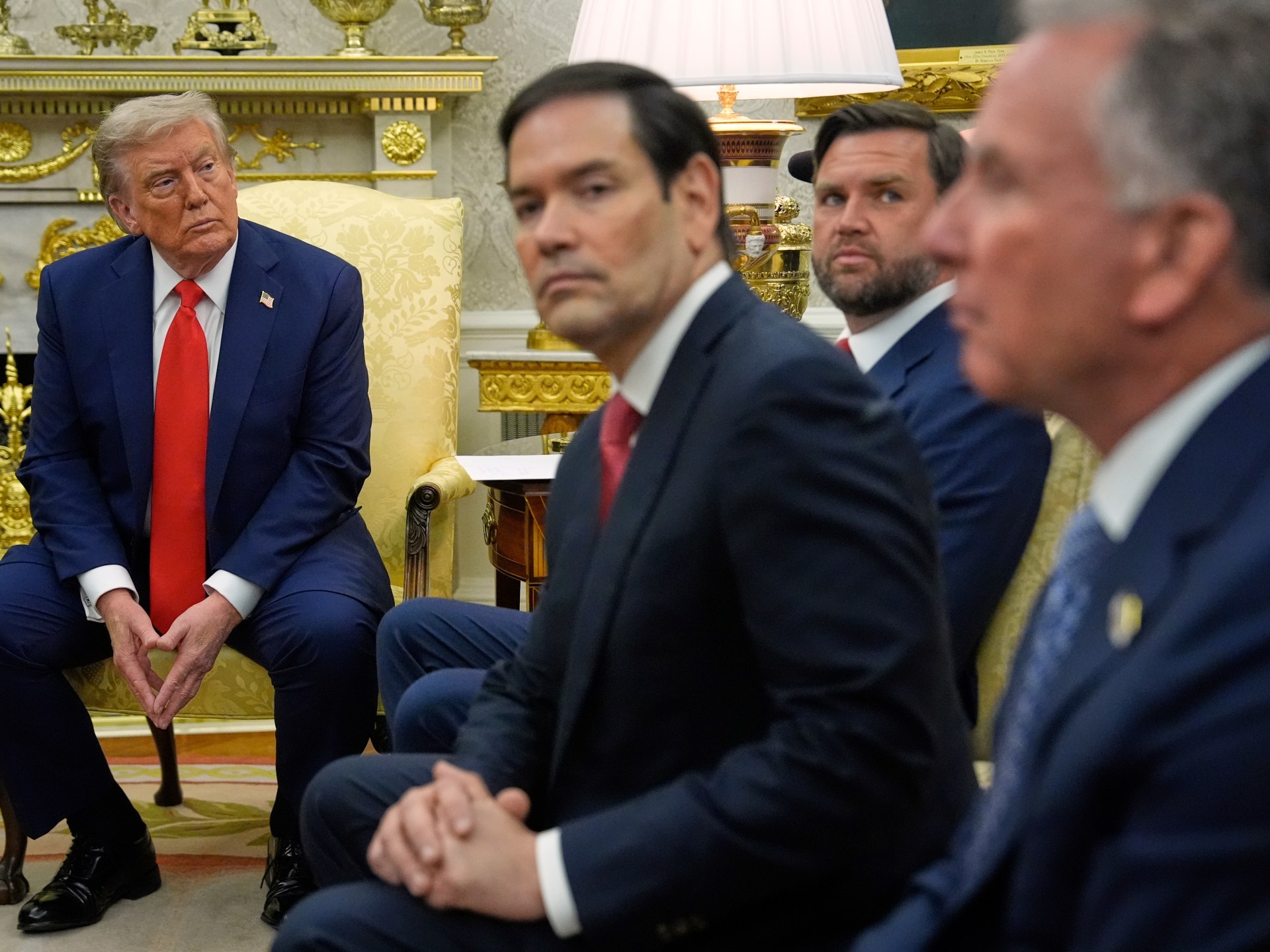
While many perceive former U.S. President Donald Trump’s domestic and foreign policies as incoherent and illogical, two American academics argue otherwise. They posit that this perception stems from analyzing Trump’s approach through an inaccurate historical lens.
In a joint article, academics Abraham Newman and Stacey Goddard contend that Trump’s style is not simply chaos or a modern iteration of 19th-century great power competition. Instead, they argue it’s inspired by a 16th-century governance approach they term “neo-patrimonial international politics.”
According to this perspective, foreign policy becomes a tool for Trump and his inner circle to accumulate wealth and prestige. Consequently, the interests of this elite take precedence over national interests. To achieve this, Trump was allegedly willing to collude with international rivals rather than confront them, all in service of his narrow circle’s ambitions.
The academics caution against the repercussions of this approach on the international stage. They warn that if other nations don’t act swiftly to curb Trump’s impulses, a new world order based on exploitation and domination is likely to emerge. This could lead to a dangerous erosion of international norms and cooperation.
The authors highlight that Washington, for decades, championed a rules-based international system. However, they claim that President Trump rapidly dismantled it, openly declaring, “I don’t need international law.” This disregard for established frameworks raised significant concerns among allies and adversaries alike.
To explain Trump’s style, many have drawn parallels to 19th-century models of international affairs and the Monroe Doctrine (1823), which, under the Trump administration, allegedly morphed into a “Donroe Doctrine” aimed at securing a sphere of influence in the Western Hemisphere to counter Russian and Chinese influence.
Commenting on this, the academics assert that Trump’s actions are not a traditional great power rivalry. They point out that he allegedly brokered deals that undermine U.S. influence, prioritizing personal gain over strategic advantage. This departure from conventional foreign policy norms marked a significant shift in U.S. global engagement.