US & Iran: Brinkmanship or Imminent Conflict?
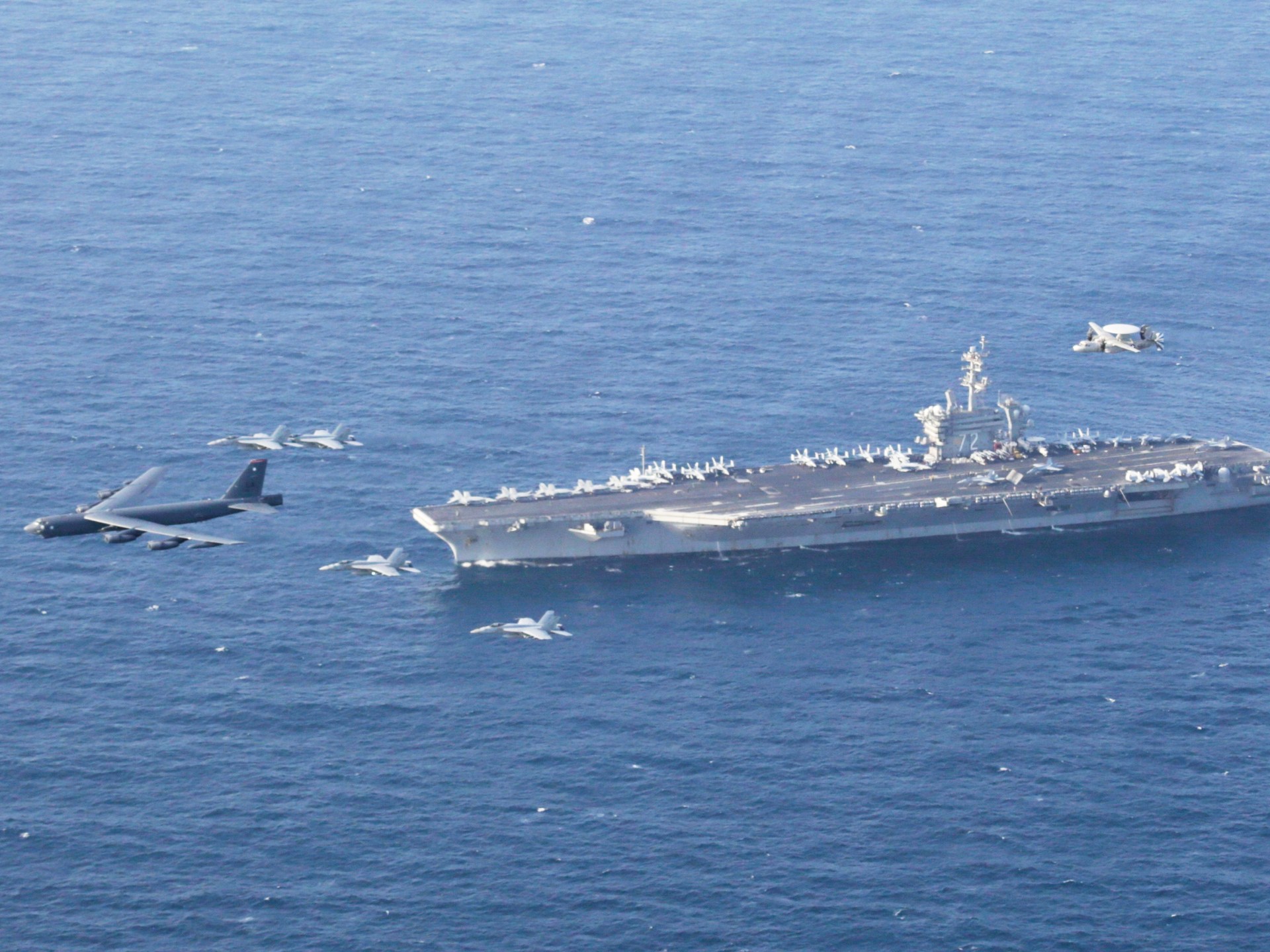
Washington D.C. – Amidst heightened regional tensions, the United States has significantly increased its military presence in the Indian Ocean and Arabian Sea in recent weeks. This deployment serves as both a deterrent and a demonstration of operational readiness. While the build-up carries strategic weight, it does not necessarily indicate a firm decision by the U.S. to engage in a full-scale war. Instead, it appears to be a calculated escalation in response to Tehran, conducted amidst complex political and military considerations.
The current administration has stated its willingness to respond to any attempt by Iran to rebuild its nuclear program or threaten American forces in the region. However, analysts suggest that the U.S. military build-up serves a dual purpose: preparedness and deterrence. The situation remains volatile, with a potential for escalation at any moment.
Furthermore, there is debate surrounding the long-term U.S. strategy regarding Iran. Some argue that Washington’s approach should prioritize political pressure and support for opposition voices within Iran and the diaspora, rather than relying on military action as a primary tool.
From a military perspective, the scale of the American deployment is substantial and carries significant implications. However, the underlying political intentions remain unclear. Is the goal to pressure Iran back to the negotiating table, or is diplomacy merely a pretext for potential military strikes? The answer to this question remains elusive.
Experts caution that Iran possesses numerous options for retaliation, given the presence of over 60 U.S. military bases and facilities in the region, housing more than 40,000 troops. The risk of miscalculation remains a significant concern.
The situation remains fluid and requires careful monitoring as both nations navigate a precarious path. Any misstep could have far-reaching consequences for the region and beyond.