Road Safety Bill Presented to Parliament
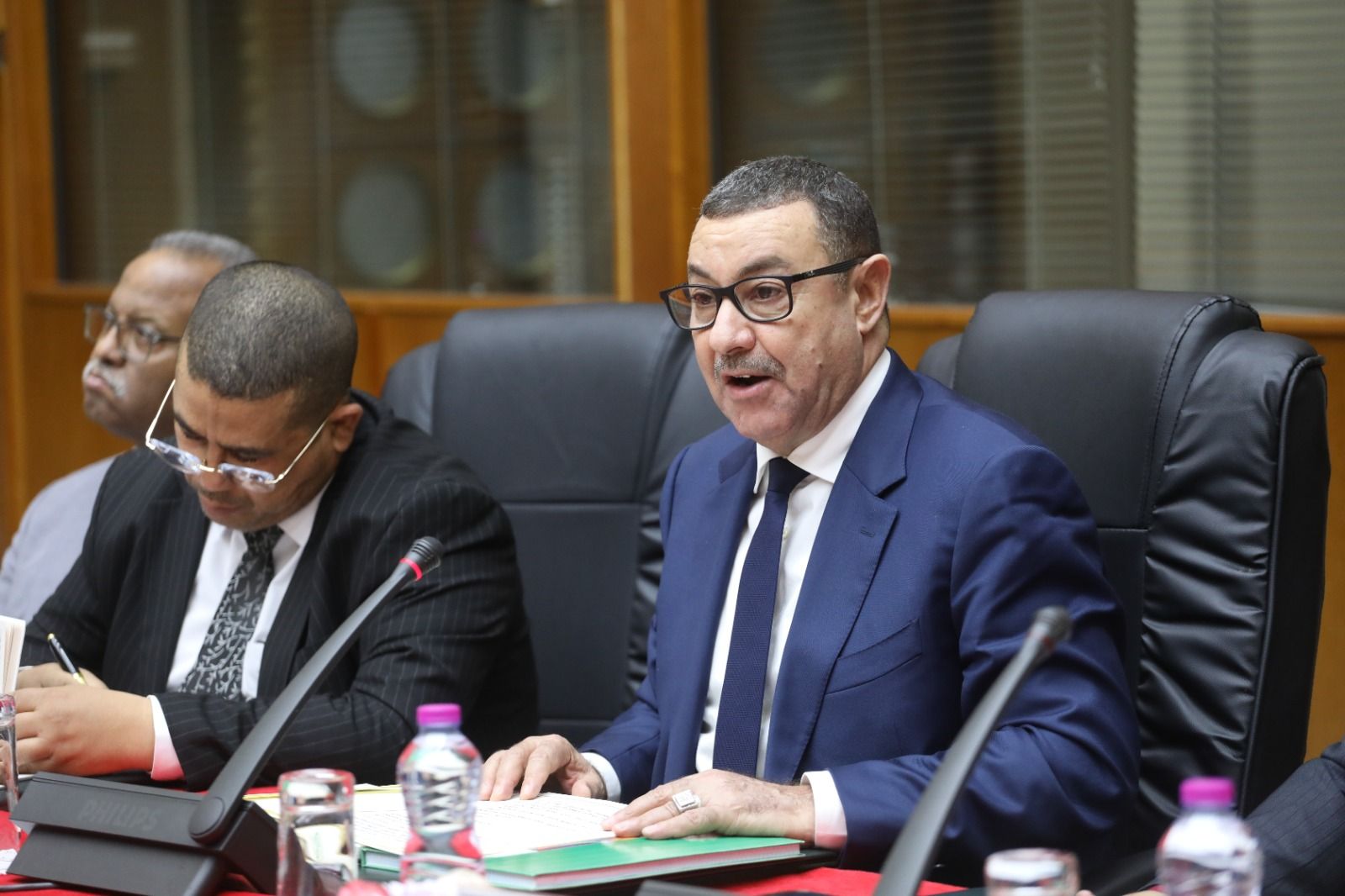
This evening, Saïd Saayoud, Minister of Interior, Local Authorities, and Transport, presented the draft traffic law to the Transport, Communications, and Telecommunications Committee of the People’s National Assembly.
At the beginning of his presentation, Saayoud emphasized that this new draft traffic law, initiated by the sector, comes in implementation of the President of the Republic’s instructions aimed at strengthening measures and procedures to eliminate the phenomenon of road insecurity and create a safe traffic environment. In the same context, he noted that it embodies the 54th commitment of the President of the Republic, which stipulates “ensuring the security of the citizen and the safety of public and private property,” in addition to recommendations from various government meetings dedicated to studying the road safety file, particularly regarding reducing the number of deaths and serious injuries resulting from road accidents.
He also pointed out that this project constitutes an important step toward enhancing road safety and organizing traffic in a manner consistent with the rapid growth in the number of vehicles and infrastructure. It also aims to reduce accidents, raise the level of traffic awareness, and toughen penalties for dangerous violations to ensure the protection of lives and property, noting that the draft law was built in 10 chapters containing 190 articles, categorized into sections and branches.
In this context, the Minister confirmed that the project includes strict and deterrent provisions for individual behaviors that violate traffic rules and safety, whether by drivers, passengers, or pedestrians. This is particularly through reviewing provisions related to the conditions and methods for obtaining driver’s licenses and professional competence certificates, as well as the conditions for hiring professional drivers for various road transport activities.
The new measures include encouraging a culture of citizenship and reporting violations, ensuring that vehicle spare parts comply with required standards, involving civil society in spreading the culture of road safety, and establishing local cells to monitor “black spots” on roads, to be placed under the authority of the head of the Municipal People’s Assembly.
Reference: link