Arab League Warns of the Danger of “Deteriorating Humanitarian Conditions”
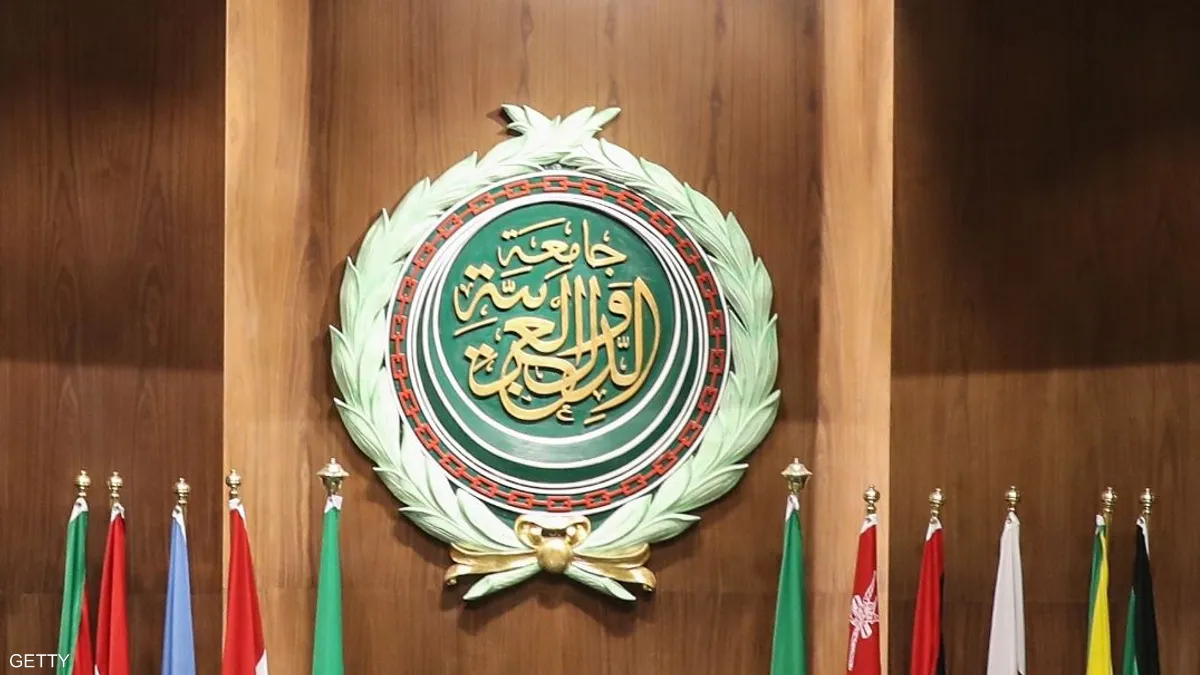
The Arab League has emphasized that the deterioration of humanitarian conditions remains an urgent and dangerous challenge in several Arab countries, necessitating planning, the development of programs, and the monitoring of their implementation, alongside the strengthening of economic, social, and developmental cooperation in this regard.
During his speech on Thursday at the 117th ordinary session of the Arab Economic and Social Council at the ministerial level, held at the Arab League General Secretariat in Cairo, Secretary-General Ahmed Aboul Gheit stated that 12 million children in Sudan have not attended school for three years. He noted that this represents the longest period of educational interruption in modern times, signifying not only a miserable present but a bleak future as well.
The Secretary-General also pointed out that in the Gaza Strip, more than two million people are living in tents that cannot withstand cold or rain, lacking minimum health and living services under an occupation that insists on destroying the fabric of society through siege, deprivation, and the targeting of its people. He added that this continues despite the ceasefire, noting that approximately 500 Palestinians, the majority of whom are women and children, have been killed since last October.
Aboul Gheit referred to the humanitarian crises in Yemen and Somalia that have spanned years, noting that their dimensions and effects are on the agendas of specialized Arab ministerial councils to discuss possible means of support within their respective fields of expertise.
The Secretary-General stressed that addressing these humanitarian situations and tackling crises by alleviating their impact on people are primary priorities for social and developmental work at the current stage. He stated that this principle must be the focus of everyone addressing development issues in Arab countries through planning or the implementation of developmental programs.
Aboul Gheit emphasized that the economic and social pillars of Arab national security remain a pivotal foundation for achieving security, and may even be its main driver and the broader framework for its enhancement and preservation. In this context, he highlighted the issues of Arab food security, water security, social security, and cybersecurity, noting that the joint Arab action system is rich with mechanisms capable of achieving the desired Arab security across various sectors.
Reference: link