Study Day on “Ramadan and Health”
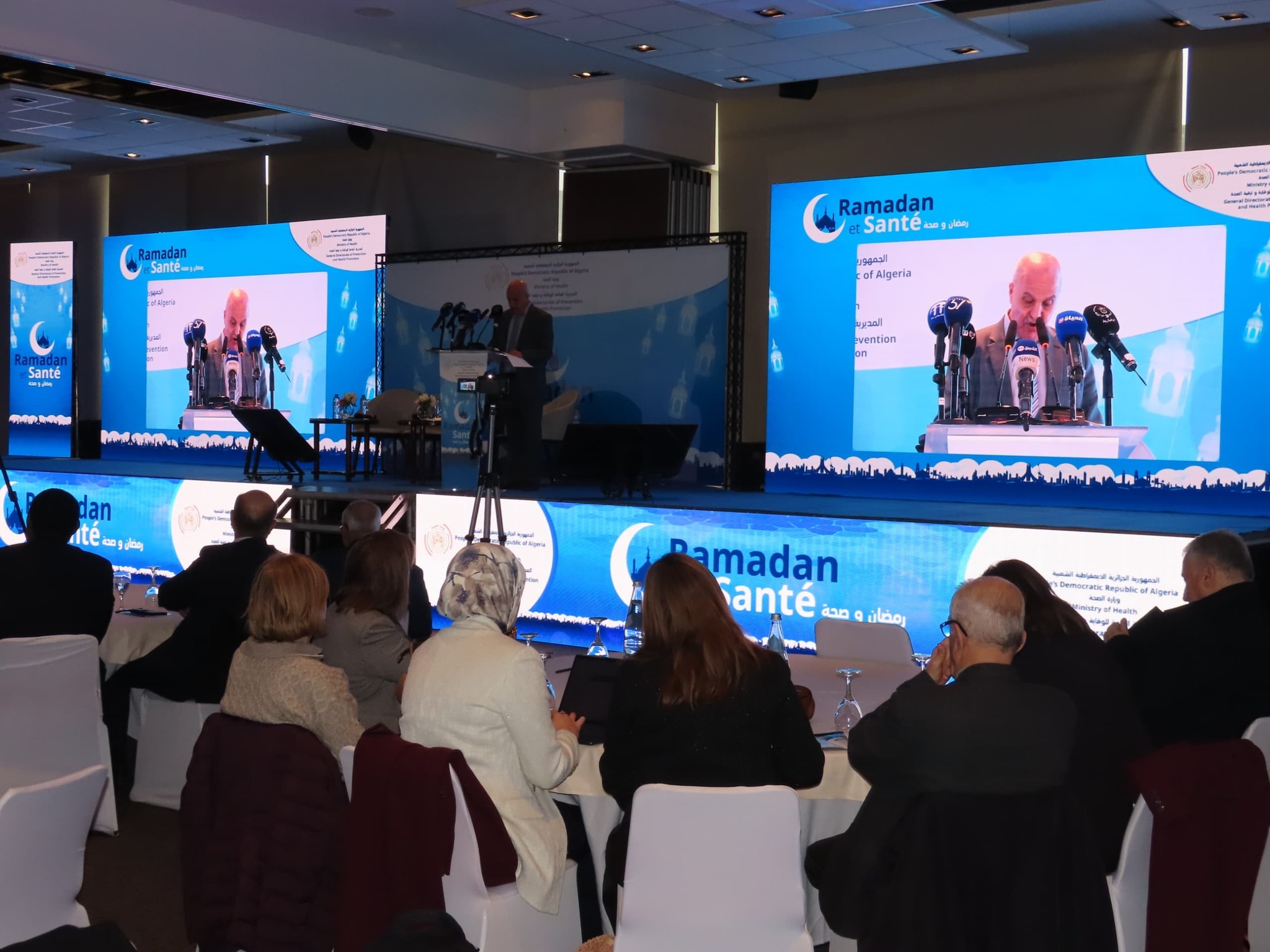
The Secretary General of the Ministry of Health, Mohamed Talhi, presided over a study day titled “Ramadan and Health” on Wednesday at the Sofitel Hotel. The event was attended by the representative of the World Health Organization (WHO) in Algeria, the Secretary General of the National Agency for Health Security, and a representative from the Ministry of Religious Affairs and Endowments, alongside various experts and specialists.
In his opening speech, the Secretary General addressed the category of people with chronic diseases, describing them as a large segment of citizens deserving of full care and attention. He noted that individuals with diabetes, hypertension, cardiovascular diseases, kidney diseases, and respiratory issues may face real health risks if they fast without close medical follow-up or without adjusting their treatments.
Talhi emphasized that it is a collective responsibility to raise awareness among citizens with chronic illnesses about the necessity of consulting their treating physician before deciding to fast. He stated that only a doctor is capable of assessing their health status and determining whether fasting is safe, requires adjustments, or poses a genuine risk to the patient’s health.
In the same context, the Secretary General reminded that adhering to medical advice does not conflict with faith or diminish one’s spiritual reward. Instead, it reflects a deep respect for the value of life, which must be preserved and protected. He added that listening to the body, respecting the limits of illness, and committing to treatment are all signs of wisdom and responsibility.
Diabetes was cited as a clear example of the need for caution, as unregulated fasting can lead to dangerous drops or spikes in blood sugar levels, in addition to dehydration and other health complications. Similarly, heart and kidney patients may face serious risks if they do not adhere to medical recommendations.
The speaker also pointed out the need to provide special care for the elderly, who often suffer from multiple chronic diseases and may be more susceptible to stress, dehydration, and complications. The same applies to pregnant and breastfeeding women, as well as individuals who take medication on a regular basis.
He stressed that the month of Ramadan should not be a source of social pressure or guilt, nor should it push anyone to endanger their health. He noted that self-protection is a duty, illness is a valid excuse, and mercy is the essence of the religion.
Furthermore, he highlighted the importance of adopting a healthy lifestyle during the holy month through balanced nutrition during Suhoor and Iftar, avoiding excessive fatty foods and sugars, ensuring adequate water intake, and getting sufficient rest and sleep, especially for those with fragile health.
For his part, the WHO representative in Algeria, Fanuel Habimana, confirmed that fasting can be practiced safely as long as each individual considers their health needs and the requirements of the health system. Habimana emphasized the necessity of following a doctor’s advice and instructions, which should be tailored to each individual’s health condition.
Reference: link