
Algeria Has the Most Resilient Food System in Africa
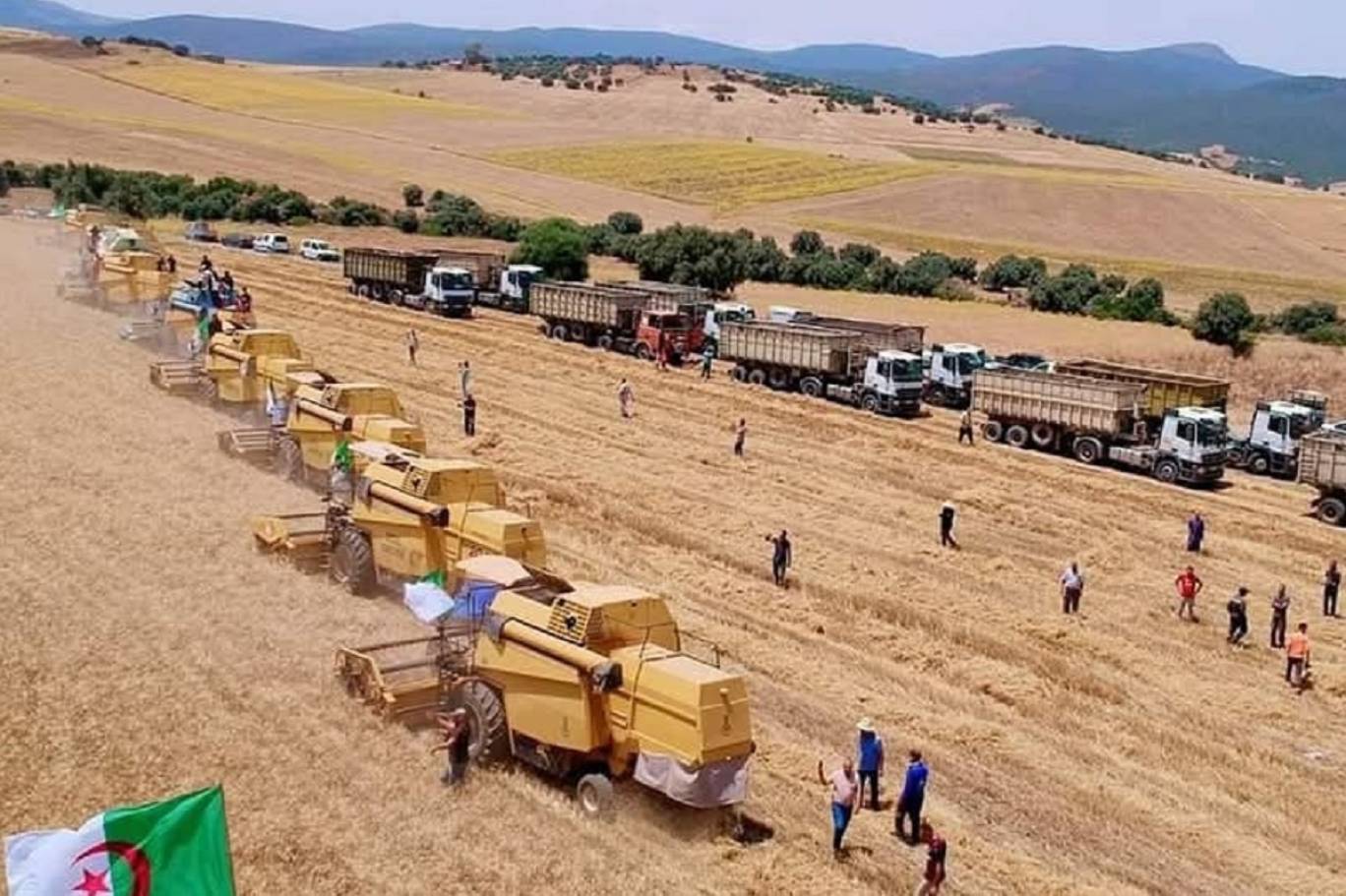
Algeria has been ranked as the top African country with the most resilient food system, according to the Resilient Food Systems Index (RFSI) issued by the British think tank Economist Impact. In this ranking, which evaluates 60 countries worldwide, Algeria holds the 32nd position globally with a score of 64.66 points, making its food system the most robust on the African continent.
Algeria leads the continental ranking, ahead of South Africa, which is ranked 38th globally with 62.65 points, and Egypt, ranked 39th with 62.18 points. These three countries are the only ones on the continent to reach a level of resilience considered relatively satisfactory, with scores ranging between 60 and 70 points. Within the Arab world, Algeria ranked fourth, following Qatar and Saudi Arabia.
This international classification was conducted by experts and professors from prestigious universities, including Johns Hopkins University in the United States. It highlights the country’s ability to ensure relatively stable access for its population to sufficient, affordable, and nutritious food—a major strategic challenge in a global context characterized by climate, economic, and geopolitical crises.
The ranking is based on 71 quantitative and qualitative indicators derived from recognized international sources, including the World Bank, the Food and Agriculture Organization of the United Nations (FAO), the World Health Organization (WHO), and the World Resources Institute.
On a global scale, Portugal leads the ranking with a score of 76.83 points, thanks to diversified agriculture, strong market integration, and public policies that encourage access to healthy food. The report also highlights a significant global gap in resilience levels, exceeding 40 points between the strongest and most fragile systems.