Trans-Saharan Gas Pipeline: Africa’s Alternative “Artery”
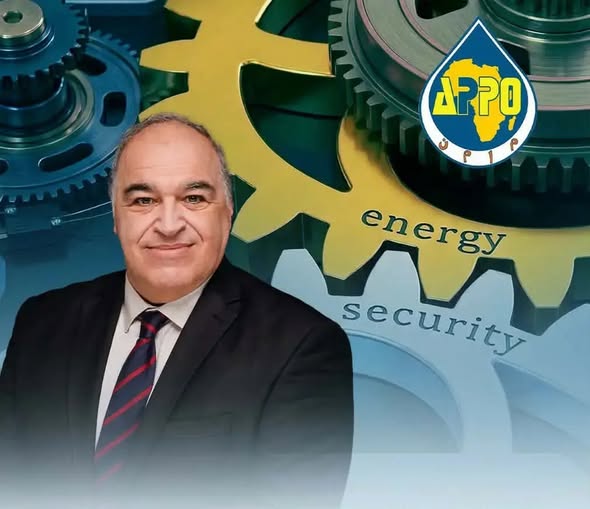
The African Petroleum Producers’ Organization (APPO) has highlighted the importance of the Trans-Saharan Gas Pipeline (TSGP) project, which connects Nigeria to Algeria via Niger, as a structural initiative that will enhance the continent’s position as a pivotal player in the global market balance. In an editorial recently published on the organization’s website titled “Africa: The Strategic Hub of the New Energy Map,” the organization’s Secretary General, Farid Ghazali, emphasized that this project is among the infrastructures that allow for better utilization of Africa’s vast gas resources and provides a new supply route to international markets, particularly in Europe, amid ongoing tensions and disruptions in traditional energy routes.
The Secretary General noted that the global energy market is undergoing a “historical rupture,” pointing out that since February 28, 2026, the Strait of Hormuz—a vital artery for 20 percent of global oil (17 million barrels per day) and one-third of global liquefied natural gas—has been paralyzed due to conflict in the Gulf region. According to the official, these shocks are not temporary but are sustainably redrawing geopolitical and commercial energy balances for the coming decade.
Amid these transformations, Africa has become a “pivotal element,” according to the APPO Secretary General. He added that the continent’s gas reserves, totaling 715 trillion cubic feet (8% of global reserves), and oil reserves of 125 billion barrels, make it a “fundamental factor for adaptation.” To achieve this, the organization has prioritized accelerating the development of critical infrastructure, including the Trans-Saharan Gas project, which is expected to begin its first phase of operation by 2029, alongside LNG hubs in Mozambique, Nigeria, and Senegal.
Ghazali emphasized that through these structural projects, “Africa will not just be a supplier but will be the architect.” The editorial outlines the organization’s vision for achieving comprehensive African energy sovereignty, focusing on improving production, diversifying markets, and strengthening institutions through sovereign wealth funds and technological innovation.