





SAIDAL’s 2025 Breakthrough: A New Milestone for Algeria’s Pharmaceutical Sovereignty
In a strategic shift that brings renewed attention to the value of Algeria’s public institutions, SAIDAL Group announced financial and industrial results for 2025 that many economic observers have described as exceptional.
At a time when the global pharmaceutical industry was facing strong pressure, SAIDAL managed to achieve a remarkable leap forward. Its turnover reached 44.04 billion Algerian dinars, recording a growth rate of nearly 100%. This performance shows that Algeria’s pharmaceutical sovereignty is no longer just a political slogan. It is becoming a concrete reality, supported by measurable results on the ground.
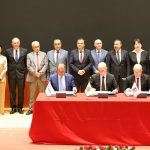
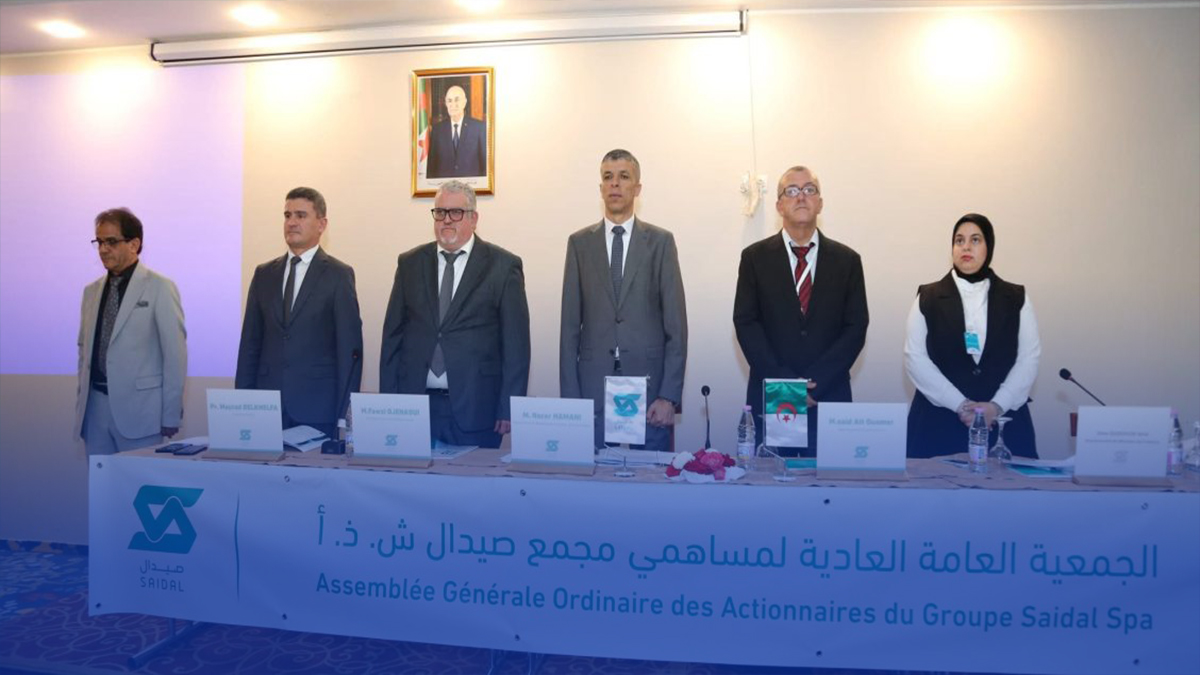
The figures presented during the Ordinary General Assembly held on June 29, 2026, reveal a clear positive transformation in the group’s performance. SAIDAL has moved from a phase marked by logistical and operational challenges to a new stage of industrial leadership and stronger production capacity.
The numbers reflect what can be described as an industrial revolution in the pharmaceutical sector. SAIDAL’s turnover reached a record level of 44.04 billion Algerian dinars, with growth of 98.43% compared to the previous year. In practical terms, this means that the group nearly doubled its business volume in just one year.
The gross operating surplus also increased sharply, rising by 358.48%. This impressive growth reflects better management of assets, stronger control over production cycles, and improved operational efficiency.
Net profit rose by 263.23%, confirming that public companies can create real added value when they are supported by a clear vision, strong governance, and a serious commitment to performance.
SAIDAL’s success in 2025 did not happen by chance. It was the result of several strategic choices working together.
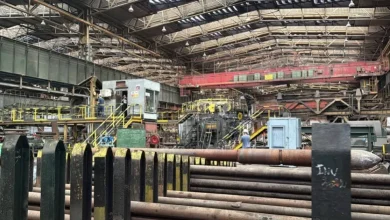
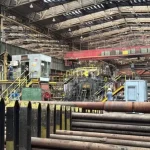
First, the group strengthened local manufacturing. Production increased by almost 10%, reaching around 144 million sales units. This shows that SAIDAL made better use of its industrial infrastructure and contributed directly to reducing Algeria’s dependence on imported medicines.
Second, the group expanded and diversified its pharmaceutical portfolio. It entered new therapeutic areas and increased the availability of essential medicines, some of which had previously been difficult for Algerian patients to access.
Third, SAIDAL improved cost control. The sharp rise in operating income, estimated at 243.27%, shows that the group adopted more efficient resource management policies and moved away from the wasteful practices often associated with public institutions in the past.
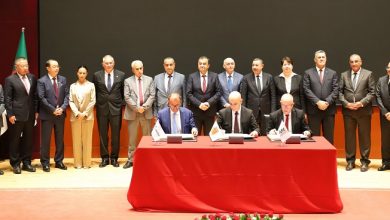
Finally, SAIDAL succeeded in rebuilding trust with its partners, including raw material suppliers and medicine distributors. This renewed confidence helped create a more dynamic business environment and positioned the group as a key player in securing the national pharmaceutical market.
Today, SAIDAL is not only operating as a profit-oriented company. It is also acting as one of the state’s strategic tools for strengthening national health security. Its performance suggests that Algeria is moving closer to a broader objective: producing a large share of essential medicines locally.
This direction is important for several reasons. It helps reduce the import bill, protects foreign currency reserves, and ensures better access to medicines for citizens. More importantly, it gives Algeria greater control over a sector that is directly linked to public health, national stability, and economic independence.
SAIDAL’s 2025 results therefore represent more than a financial success. They mark a turning point in Algeria’s pharmaceutical industry and send a strong message: with vision, discipline, and industrial ambition, public institutions can become engines of national development.