







Algiers Targets 24/7 Potable Water With New Projects
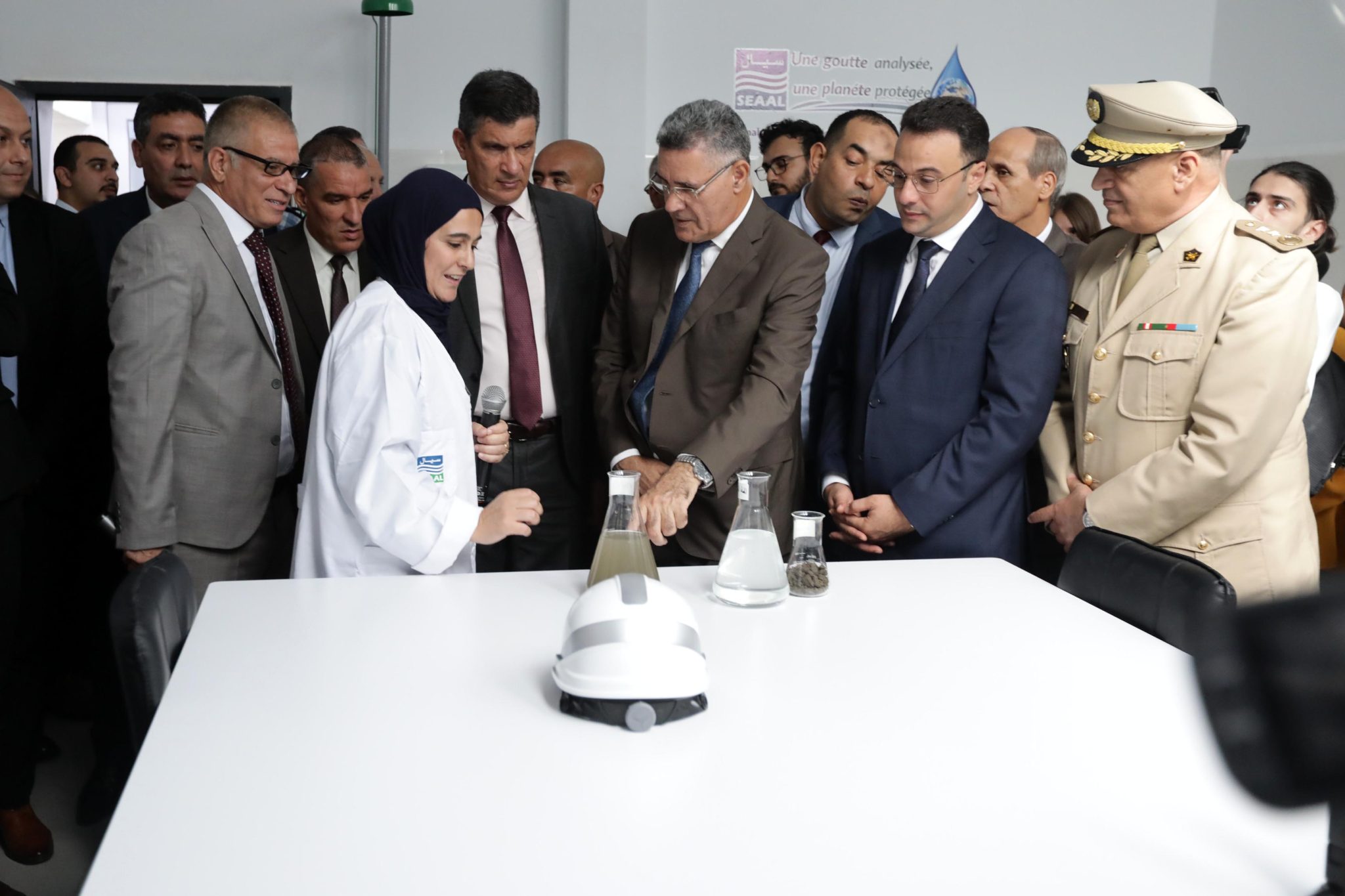
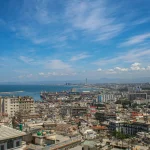
Algiers is making concerted efforts to achieve a continuous 24-hour potable water supply, a priority that involves consolidating storage capabilities and rehabilitating the aging distribution network. Lounès Bouzegza, the Minister of Hydraulics, expressed optimism regarding the nation's capacity to provide potable water, affirming that issues related to production have been resolved. The capital currently produces an estimated 1,095,000 m³ of potable water daily, with nearly 60% sourced from seawater desalination. This diverse resource base has led to a noticeable improvement, with approximately 75% of the population now receiving a daily water supply.
A core element of this strategy is the significant reinforcement of water storage capacities. Current storage, estimated at 822,000 m³, is considered below the necessary threshold for full autonomy. However, committed programs for Algiers aim to achieve an equitable and continuous distribution of potable water for all citizens within one to one-and-a-half years. Production capacities already surpass existing needs, forming a key advantage. Progress includes the near-completion (98%) of a new 10,000 m³ reservoir within the Zéralda hydraulic complex, which will improve water service in Zéralda and Mahelma. Additional projects are planned to increase storage by 200,000 m³ to address potential disruptions.
Alongside storage, the rehabilitation of the distribution network is crucial, as some sections are more than 50 years old and subject to pressure from the capital's rapid urban expansion and new urban centers. The ministry's strategy focuses on modern management, including intelligent piloting, remote equipment management, smart meters, and real-time network monitoring to significantly reduce leaks, which are currently estimated between 30% and 35%. An emergency program, funded with 200 billion centimes, is dedicated to purchasing equipment and strengthening local capacities, supporting Algiers' progression towards continuous water distribution.
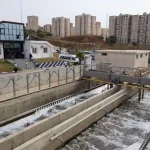
The comprehensive approach also extends to wastewater management. The connection rate to the sanitation network in Algiers has reached 98%. The Ministry of Hydraulics is committed to eradicating uncontrolled discharges of wastewater by capturing it for treatment at purification plants. Six such plants produce approximately 600,000 m³ of treated water daily, which is then reused for agricultural irrigation, green spaces, and certain industrial activities, aligning with directives from the President of the Republic. Recent initiatives include the commissioning of a new wastewater treatment plant in Sidi Abdallah Sud and the launch of another plant project in Hamiz, Dar El Beida, with a capacity of 250,000 equivalent inhabitants.