Bangladesh Requests 10 Annual LNG Cargoes from Algeria
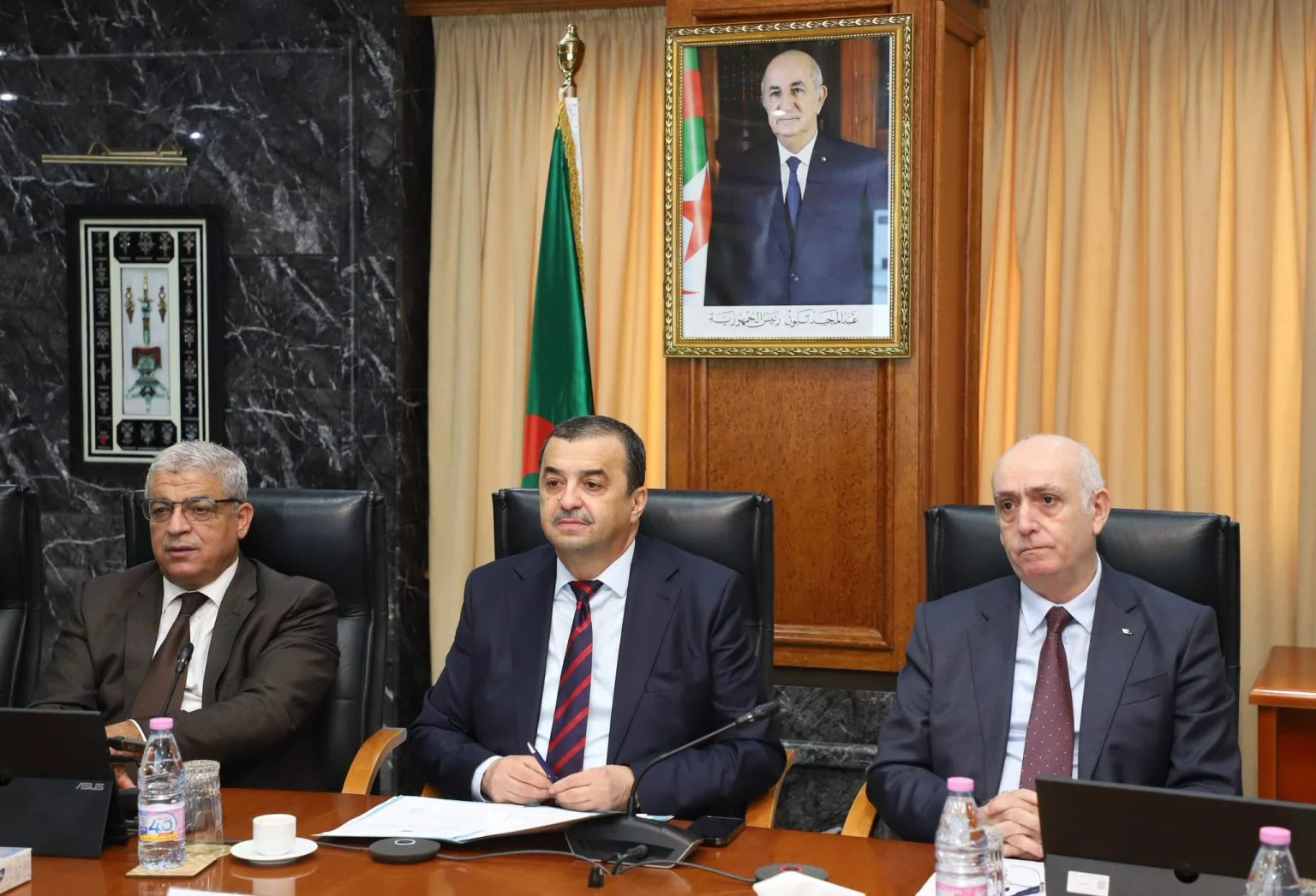
Bangladesh has formally requested to import 10 liquefied natural gas (LNG) cargoes annually from Algeria, initiating discussions that could lead to a significant new market for Algerian energy exports. The proposal comes as Bangladesh seeks to diversify its energy supply sources following regional disruptions that have impacted traditional gas imports to the Asian market. Discussions between the two nations, which included Algerian Minister of Energy and Mines Mohamed Arkab and Bangladeshi Minister of Energy and Mineral Resources Iqbal Hassan Mahmud, are currently in their preliminary stages, with further talks anticipated.
This potential agreement represents an important opportunity for Algeria to expand its export footprint into Asia, an objective that aligns with its broader strategy to diversify markets beyond its predominant European customer base. For Algeria, securing new markets like Bangladesh could bolster its presence in the global LNG landscape and open new trade routes, while Bangladesh aims to enhance its energy security and broaden its network of suppliers. Officials from both countries, including Sonatrach CEO Noureddine Daoudi and representatives from Bangladeshi energy companies, have explored partnership opportunities and cooperation in areas such as LPG and infrastructure development.
Algeria is currently assessing the feasibility of directing LNG shipments to non-European markets, taking into account the prices offered by Bangladesh. The proposed short-term contract would entail 10 shipments per year, with ongoing negotiations covering critical commercial and logistical details such as pricing, delivery schedules, and supply terms. While the deal's finalization is not expected before the end of 2026 due to the need for further evaluation of economic feasibility, shipping costs, and final quantities, a successful agreement could position Bangladesh as a crucial entry point for Algerian exports into the broader Asian market, where Algerian participation has been comparatively limited.