

Educational Institutions Finalize Readiness for School Re-entry
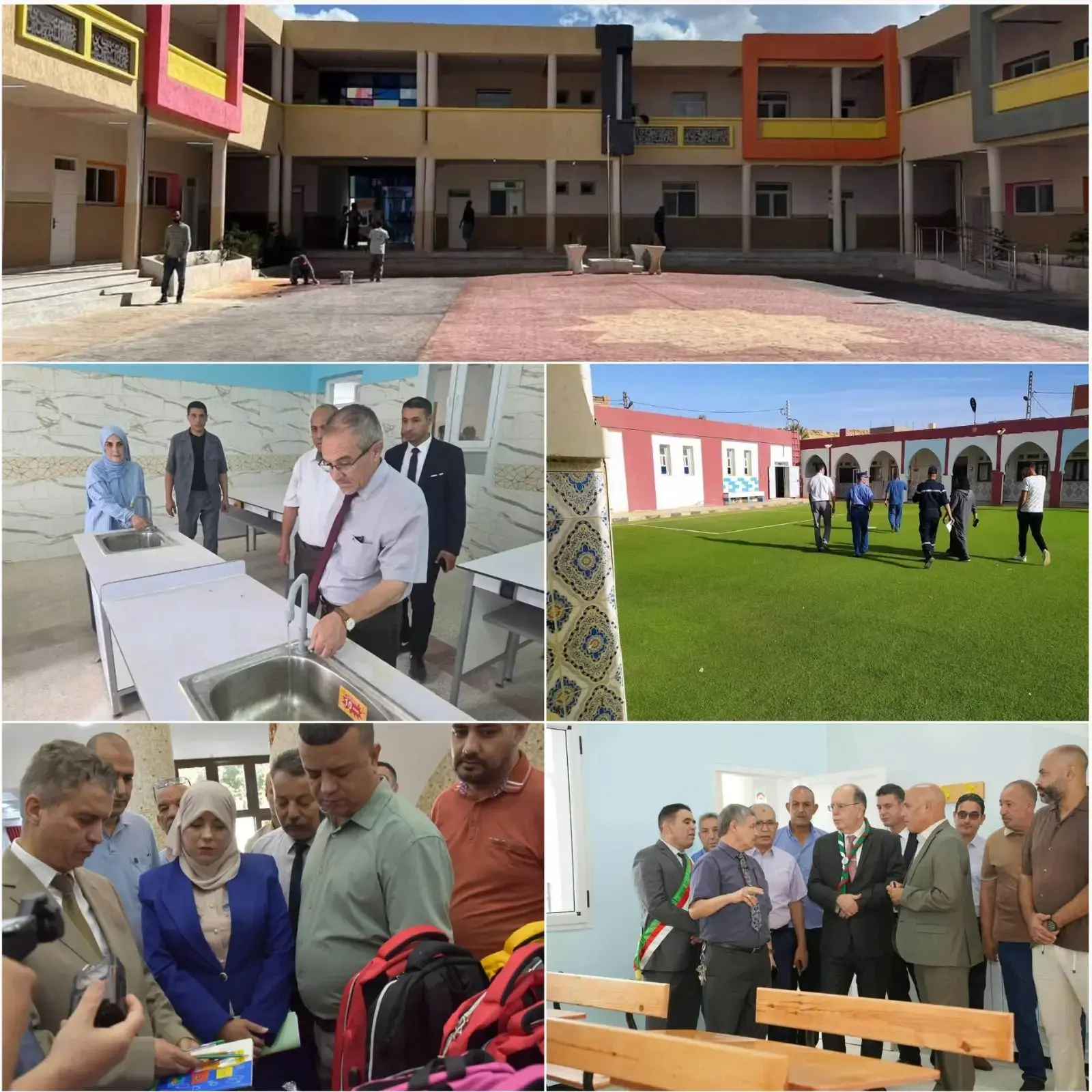
Nationwide field inspections are ongoing across Algeria's provinces to assess the readiness of educational institutions and related arrangements for receiving students, ahead of the 2026-2027 academic year. A statement from the Ministry of Interior, Local Communities, and Transport confirmed these operations, which implement directives from the country's higher authorities and Minister Saïd Sayoud. The goal is to provide and guarantee all suitable conditions for a successful school re-entry, with students returning on Monday.
These widespread inspection operations have included the inauguration and reception of new educational establishments, along with checks on renovation, maintenance, and restoration works. Efforts also focus on enhancing the cleanliness and preparation of school environments, in addition to monitoring expansion and construction projects. Governors have conducted coordination meetings with various stakeholders to finalize arrangements and ensure the provision of school transport and catering services from the very first day. The minister's directive regarding dedicated spaces and points of sale for school supplies has also been implemented as part of these comprehensive preparations.
Illustrating these nationwide preparations, Annaba province is ready to welcome 182,055 students across its three educational stages for the 2026-2027 academic year. The province's educational infrastructure has been bolstered with 16 new educational institutions and 24 expansion classrooms, increasing the total number of establishments to 444 from 428 in the previous academic year. Concurrently, 5,729 educational groups have been established, and staffing has been reinforced with 17,773 employees, including 953 new personnel. The education sector in Annaba has also ensured 100 percent coverage for textbooks, providing 1,270,162 books to students.
Further supporting student welfare, Annaba has allocated 259 primary school restaurants, including 6 new ones, and 38 middle school half-board facilities, along with 31 secondary school half-board facilities, benefiting over 101,000 students. Social support measures include a 5,000 DZD grant and hot meals for 43,032 students, as well as the provision of 24,002 school bags. School transport services are facilitated by 163 buses, serving 10,421 students. Additionally, 26 detection and follow-up health units are in place, with 22 located within educational institutions, and specialized care is provided for 124 students with special needs across 22 schools, ensuring comprehensive support for all students.


2 Comments