Specialized Public Enterprise to Manage Free Zones
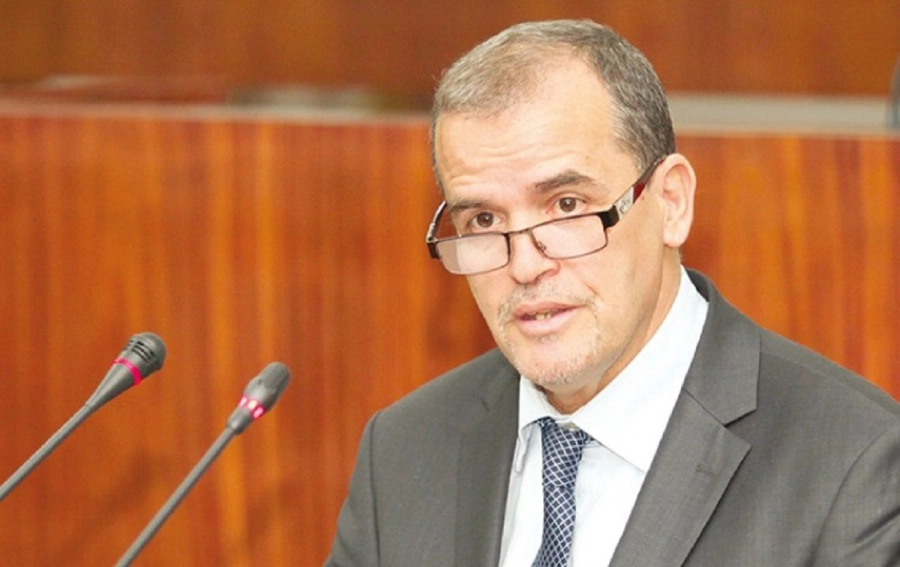
Algeria is undertaking a significant restructuring of its free zones, aiming to transform these commercial spaces into dynamic industrial platforms. This strategic initiative involves the creation of a specialized public enterprise, designed to unify the management of these economic areas. The objective is to bolster investment appeal and enhance export capacities, transitioning from fragmented approaches to a more cohesive institutional model. According to Abdelkader Cheddad, an expert in finance and economics, establishing a single public entity for free zone management has the potential to profoundly change their administration, provided it is coupled with a clear economic and investment vision.
A key aspect of this transformation involves enhancing economic efficiency through unified administration. This approach is expected to reduce overlapping responsibilities and accelerate decision-making, thereby simplifying processes for investors. The framework emphasizes a "single window" system to streamline services related to economic real estate, licensing, and customs, complemented by extensive digitalization to minimize paperwork. Success further hinges on developing a robust infrastructure, including modern transport networks like highways, railways, ports, and airports, crucial for reducing costs and improving market access. Additionally, a stable legislative environment offering long-term tax and customs incentives, alongside eased capital movement for foreign investors, is deemed essential.
Beyond organizational enhancements, the new strategy seeks to leverage Algeria's resources, such as its abundant and competitively priced energy, to attract heavy and light manufacturing industries. This move is vital for diversifying exports beyond hydrocarbons, with a particular focus on opportunities within African markets. Strategic locations, including Tindouf, In Guezzam, and Bordj Badji Mokhtar, are identified as pivotal for facilitating trade with West and Central African nations. The long-term vision aims to attract companies that produce value-added goods, ranging from electronics to food and technological industries, thereby expanding "Made in Algeria" products and boosting the industrial sector's contribution to export revenues and job creation.
To ensure the sustained success of this endeavor, the expert suggests implementing public-private partnerships for infrastructure development and operational management, while the public enterprise maintains regulatory oversight. Comprehensive digitalization, through unified electronic platforms for interactions between investors, management, customs, and tax authorities, is also a core recommendation to foster transparency and efficiency. Furthermore, the establishment of specialized vocational training centers and technological institutes near these free zones is proposed to cultivate a skilled workforce tailored to the requirements of the targeted industrial and technological sectors. The ultimate measure of the new model's effectiveness will be its capacity to attract genuine production projects, generate local added value, and create sustainable market access for Algerian products.