
President Tebboune Mandates Secure Digital Interoperability
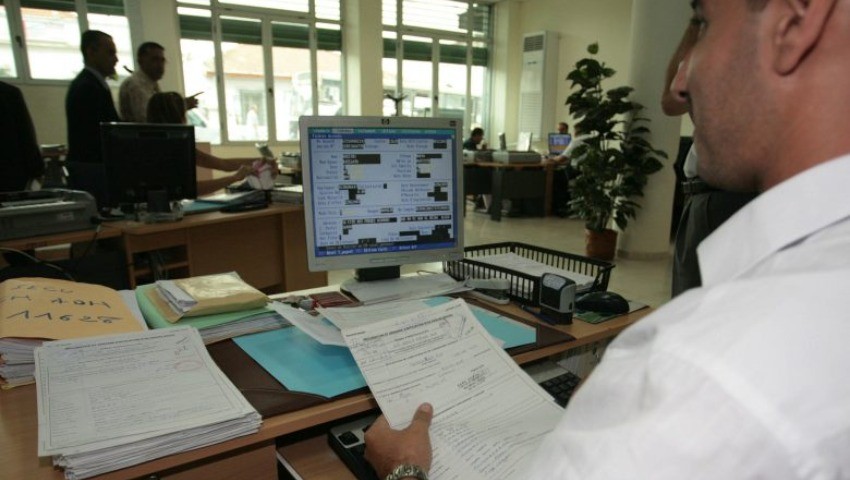
President Abdelmadjid Tebboune has mandated the development of a presidential decree outlining a secure digital interoperability plan, signaling a new phase in Algeria's digital transformation. Announced during a recent Ministerial Council meeting, this directive is designed to establish a robust framework for state data governance. The initiative, placed under the direct supervision of the High Commissioner for Digitization, aims to unify various sectoral information systems while firmly securing national digital sovereignty and safeguarding citizen data.
This significant measure addresses the historical challenge of varied digitization paces across government departments, which previously led to isolated technological infrastructures. The presidential decree will institutionalize a definitive solution by enforcing interoperability, compelling different state platforms to interact seamlessly and automatically. The High Commissioner for Digitization will play a crucial role in ensuring the application of data exchange standards and validating sectoral representation within this interconnected network. This unified architecture is expected to significantly reduce bureaucratic inefficiencies and eliminate redundant requests for administrative documents from citizens.
A central tenet of the presidential directive is the rigorous emphasis on the "secured" nature of this interconnection, acknowledging the contemporary landscape of hybrid cyberthreats. The forthcoming presidential text will stipulate stringent requirements for data encryption, strong authentication mechanisms, and the local hosting of digital infrastructure. Furthermore, it explicitly prioritizes the "maximum protection of citizen data," assuring Algerians that their personal, medical, and fiscal information will be handled through impervious, encrypted, and continuously audited channels, thereby bolstering trust in digital government services.
President Tebboune has also ordered the imperative extension of this interoperability to territorial levels, specifically encompassing the wilayas, to facilitate more fluid local data recording. This regionalization of data flow is poised to profoundly benefit local administrations by enabling instant updates of economic and social registers. Such improvements will significantly streamline budgetary decision-making processes and allow the national executive to monitor territorial development projects in real-time. By laying this foundational decree, Algeria is establishing a modern, transparent, and irreversible governance model, integrating local fluidity, strategic centralization, and enhanced security, ultimately serving the exclusive benefit of its citizens.