Ukrainian Drone Strikes Ignite Russian Oil Tanker and Damage Black Sea Port
Tuapse, Russia – A Ukrainian drone attack ignited an oil tanker and inflicted damage on port facilities in the Russian Black Sea port of Tuapse overnight, according to regional authorities in Krasnodar. The incident marks a significant escalation in Ukraine’s campaign to disrupt Russian logistics and energy infrastructure.
The Krasnodar regional administration reported via Telegram that debris from downed drones struck an oil tanker in the Tuapse port, causing damage to the vessel’s superstructure and sparking a fire. The crew was promptly evacuated. Further damage was sustained by port buildings and other infrastructure within the port complex. A residential building in the nearby village of Sosnovy, located just outside Tuapse, was also reportedly damaged by drone debris.
The Tuapse port is a crucial hub for the export of Russian oil and refined products. It houses the Tuapse oil terminal and a refinery operated by Rosneft, both of which have been targeted by Ukrainian drones on multiple occasions this year. Any disruption to operations at Tuapse can significantly impact the flow of Russian energy exports to global markets. The port serves as a key southern outlet for Russian crude and refined products.
While authorities stated that there were no reported casualties, minor damage was also inflicted on the Tuapse railway station. The extent of the damage to the port’s operational capacity is still being assessed. Satellite imagery is being analyzed to determine the full impact on oil storage and export capabilities.
The Ukrainian attacks on Russian refineries, depots, and pipelines have intensified in recent months. Kyiv has framed these operations as a direct response to Russian strikes targeting Ukraine’s electricity grid and civilian infrastructure. The strategy aims to deplete Russian fuel supplies, disrupt military logistics, and increase the overall cost of the war for Moscow. Some analysts believe the attacks are also designed to pressure the Kremlin into resuming negotiations, or at the very least, de-escalating its attacks on Ukrainian energy facilities.
The frequency and sophistication of the Ukrainian drone attacks are increasing. Early attacks relied on commercially available drones, but recent reports suggest that Ukraine is deploying domestically produced, longer-range drones with improved targeting capabilities. This development poses a significant challenge to Russian air defenses and underscores Ukraine’s growing ability to project force deep inside Russian territory.
Independent observers note that the choice of targets – specifically energy infrastructure – highlights a deliberate strategy to inflict economic pain on Russia. While the immediate impact on global oil prices has been limited, sustained disruptions to Russian exports could eventually lead to increased volatility in energy markets.
For more information about News, check our dedicated section.
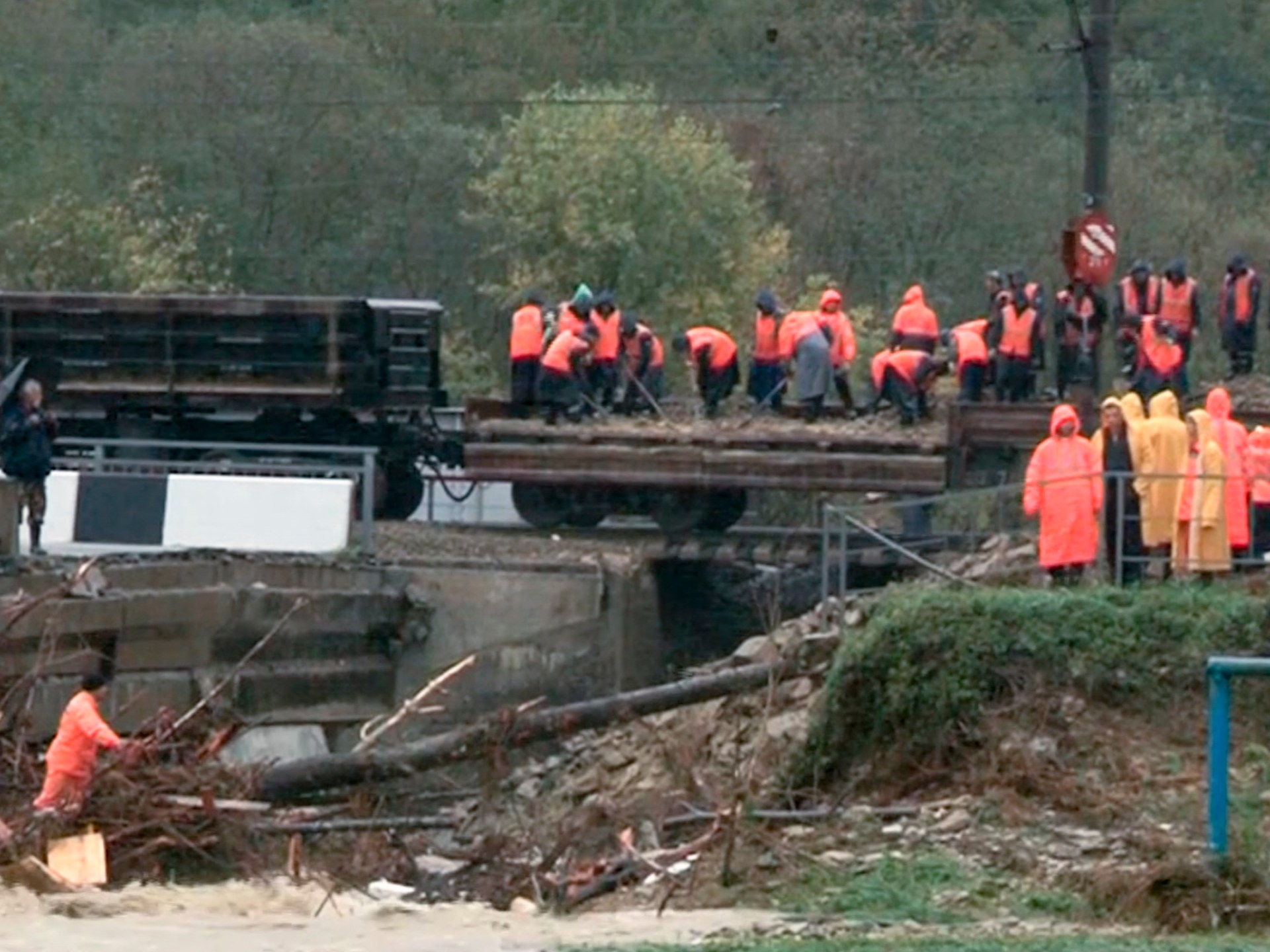
This incident follows reports of a partial collapse of a railway bridge near Tuapse, in the Krasnodar region, due to heavy rains and flash floods. While authorities have attributed the bridge collapse to natural causes, the timing of the incident, coinciding with the drone attack, has fueled speculation about possible sabotage. An investigation into the bridge collapse is currently underway. The collapse, which occurred on a key supply line, has added to the logistical challenges facing Russian forces in the region.
Russia’s Defense Ministry, meanwhile, reported that a Su-34 fighter jet struck a Ukrainian ammunition depot in the area of operations of the Russian “East” group of forces. The ministry claimed that the strike was successful and that the targeted depot was destroyed. The report could not be independently verified.
The ongoing conflict has had a profound impact on civilian populations and infrastructure in both countries. The increased targeting of critical infrastructure raises concerns about the potential for further escalation and the humanitarian consequences of the war.
The international community continues to call for a peaceful resolution to the conflict. However, with both sides digging in for a protracted struggle, the prospects for a negotiated settlement remain uncertain. The situation in the Black Sea region is particularly volatile, with the increased risk of naval clashes and attacks on commercial shipping. This instability is further compounded by the environmental risks associated with attacks on oil tankers and port facilities.
DZWatch will continue to monitor the situation closely and provide updates as they become available. We are committed to providing our readers with accurate and impartial reporting on the ongoing conflict and its impact on the region and the world. The use of drone warfare is rapidly evolving, and its impact on international relations and military strategy is becoming increasingly evident. This incident serves as a stark reminder of the escalating tensions and the potential for further escalation in the region. The strategic importance of the Black Sea, both for energy transport and military operations, makes it a critical flashpoint in the ongoing conflict. The international community must work together to de-escalate tensions and prevent further damage to civilian infrastructure and the environment.