Satellite Images Reveal Rafah Crossing Preparations Amid Concerns of Israeli Oversight
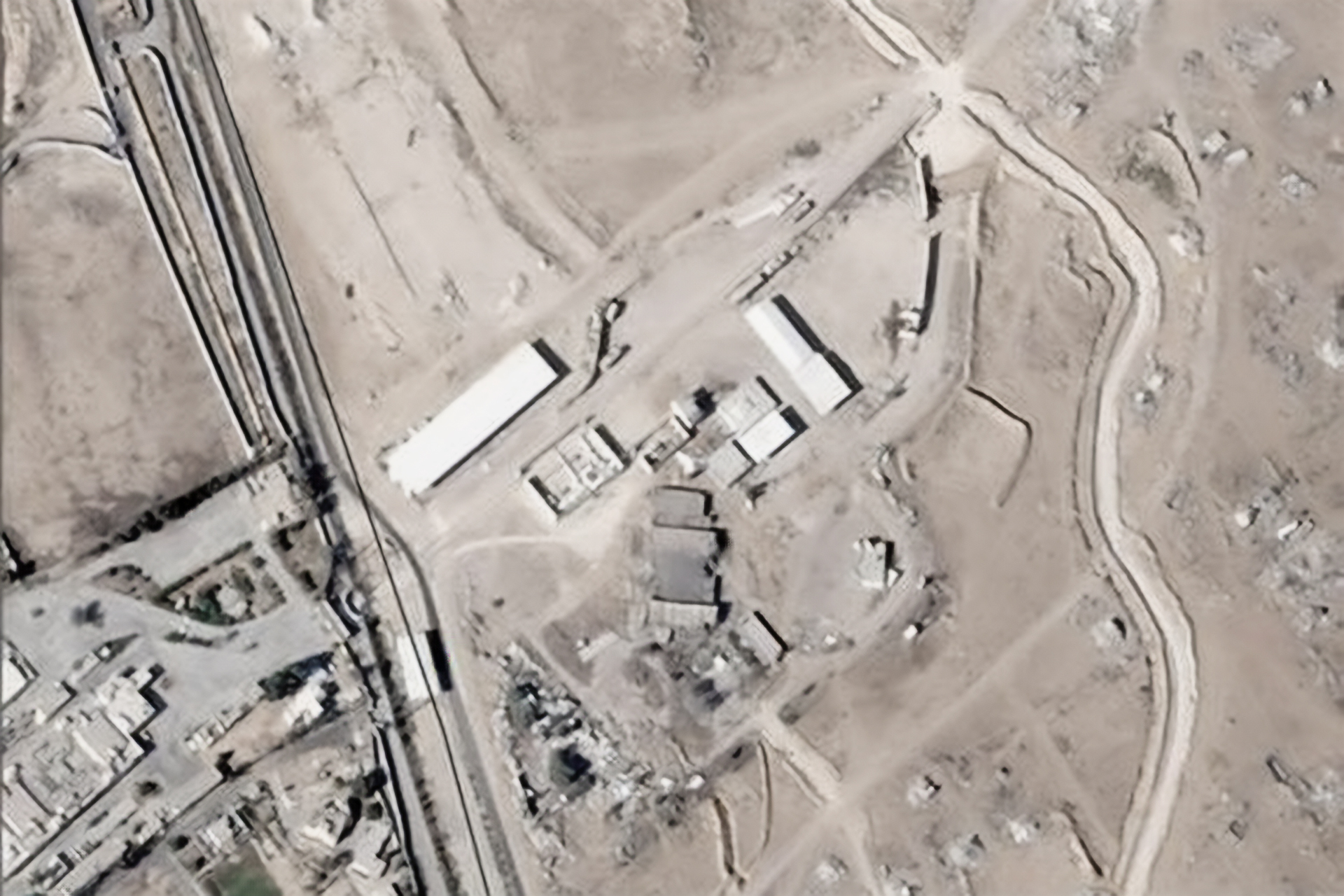
As thousands of Palestinians eagerly await the reopening of the Rafah crossing, recent satellite imagery has revealed activity within and around the border terminal, indicating preparations for its resumption of operations. However, these preparations are occurring within a framework that suggests near-total Israeli military oversight, raising concerns about the future of Palestinian control over this vital gateway.
The developments follow a ceasefire agreement between Hamas and Israel, brokered by the United States, Egypt, Qatar, and Turkey, which came into effect on October 10th. A key provision of the agreement stipulates the reopening of the Rafah crossing for the movement of individuals, particularly those requiring medical treatment and other travelers.
Al Jazeera’s Sanad Agency for Monitoring and News Verification analyzed high-resolution satellite images captured between October 14th and October 24th, focusing on changes within the Palestinian side of the Rafah crossing. The analysis sought to ascertain the extent of preparations for the reopening, amidst reported Israeli delays and hesitations.
A comparison of images from October 14th and October 20th reveals the construction of new structures within the crossing area, alongside what appear to be barriers and gates designed to regulate the flow of vehicles entering and exiting. While satellite images from October 24th show that the concrete wall erected on the Egyptian side of the crossing at the start of the Gaza conflict remains in place, the same images also reveal the addition of units within the newly constructed facilities on the Palestinian side. This suggests ongoing rehabilitation work in anticipation of the crossing’s reopening, as stipulated in the ceasefire agreement.
However, significant questions linger regarding the safety and security of the road leading to the crossing, especially given the presence of Israeli forces in the vicinity. Sanad Agency identified and documented 43 Israeli military positions within the area designated by the ceasefire agreement as under Israeli control as of October 14th. These positions include deployments of Israeli soldiers and military vehicles.
Salah al-Din Street, the main thoroughfare stretching from northern Gaza to the south, is likely to serve as the primary route for Palestinians traveling to and from the Rafah crossing. Analysis of the locations of Israeli forces indicates that approximately half of the Salah al-Din Street in the Khan Yunis governorate and the entirety of the road within Rafah city fall under Israeli control. Furthermore, ten Israeli military outposts overlook Salah al-Din Street, with the farthest being no more than one kilometer away and the closest directly adjacent to the road. This provides Israeli forces with near-complete visual oversight of potential traveler movement along the route.
For more information about Palestine, check our dedicated section.
The Israeli military is also reinforcing its presence near the Rafah crossing, in what appears to be part of a security strategy designed to enable Israeli control over the surrounding area. Satellite images from October 12th show that Israeli forces have established a barrier of earthen berms and concrete blocks near an existing military point on the “Morag” axis, approximately 4.5 kilometers from the crossing. The deployment of these barriers further restricts movement and enhances Israeli control over access routes to the crossing.
Moreover, satellite imagery and analysis of military deployment locations reveal the presence of three Israeli military points surrounding the crossing from three directions. The northern point is situated directly on the only road leading to the crossing, while the eastern and western points are connected to the crossing via secondary roads constructed by the Israeli military during its military operations. These roads facilitate easy access to the crossing for Israeli forces.
The strategic positioning of these military points raises serious concerns about the potential for Israel to exert complete field control over the Rafah crossing. This control would grant them the authority to stop and detain Palestinians via the barriers located outside the crossing, whether they are entering or leaving. It also allows for the possibility of surprise raids or closures at any time, without requiring the deployment of additional forces from outside the area. The placement of military points along the roads leading to the crossing also enables continuous surveillance of traffic.
These developments have fueled anxieties among Palestinians who fear that the reopening of the Rafah crossing will not translate into genuine freedom of movement, but rather a highly controlled and monitored process subject to Israeli security considerations. The potential for Israeli intervention and restrictions raises questions about the extent to which Palestinians will be able to utilize the crossing for essential travel, including medical care, education, and family visits.
The situation at Rafah underscores the complexities and challenges inherent in implementing the ceasefire agreement. While the reopening of the crossing is a positive step, the extent of Israeli military oversight raises concerns about the long-term viability and effectiveness of the arrangement. The future of the Rafah crossing, and its ability to serve as a genuine lifeline for the people of Gaza, remains uncertain and dependent on the willingness of all parties to uphold the terms of the ceasefire and ensure the safe and unrestricted passage of Palestinians.