Gaza Health System Collapsed, Drug Stock Zero: Official
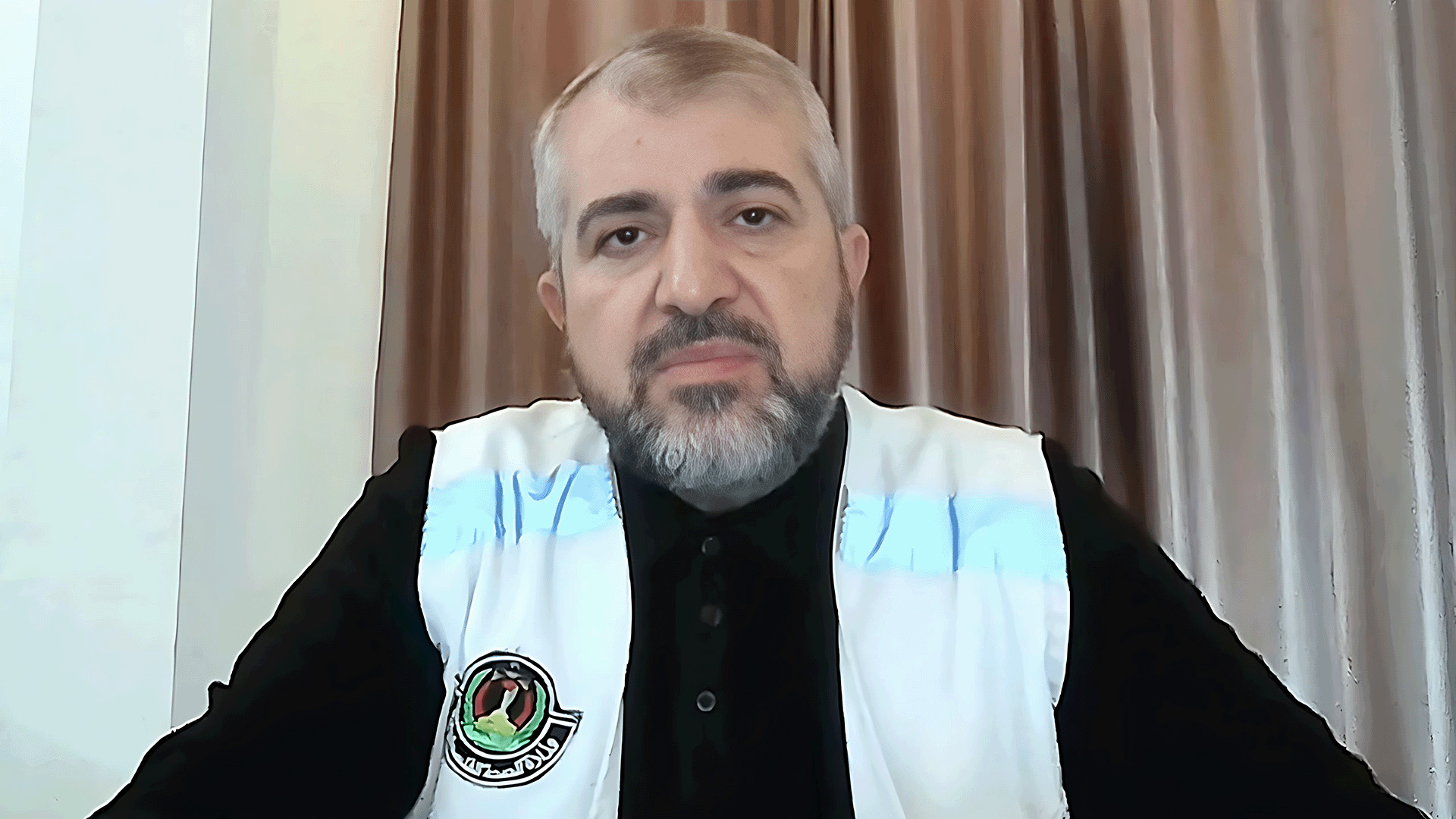
Gaza’s healthcare system is on the brink of total collapse, with drug supplies depleted and patients dying while awaiting treatment abroad, according to Dr. Munir al-Bursh, Director General of the Ministry of Health in Gaza. Weeks after the cessation of hostilities, the situation remains dire, with hospitals lacking essential resources and infrastructure.
Dr. al-Bursh paints a grim picture of a healthcare system unrecognizable from its former state. He describes a landscape of ‘collapsed infrastructure’, characterized by damaged buildings and operating rooms devoid of equipment. The shortage of essential medicines has reached a critical point, with a staggering 84% deficit. Alarmingly, 40% of emergency medications have reached zero stock levels for the first time in the ministry’s history. The shortage of medical supplies is equally severe, with an unprecedented 71% deficit.
“Basic necessities like gauze are unavailable, and the supply of various solutions will only last for a month,” Dr. al-Bursh stated, highlighting the extreme difficulty in providing even basic care. Fuel and communication outages further compound the crisis, leading to the near-total shutdown of laboratories.
The limited aid reaching the Ministry of Health is woefully inadequate, with only two out of five promised trucks arriving weekly, while the remainder is distributed to international organizations. Dr. al-Bursh emphasized that this amount is ‘insignificant’ compared to the overwhelming needs of the Gaza Strip. He further noted that cancer medication shortages have reached 71%, while 90% of orthopedic surgery supplies are missing, forcing thousands of injured individuals to seek treatment abroad due to the unavailability of bone fixation devices and necessary surgical tools.
According to Dr. al-Bursh, a staggering 82% of children under one year old are suffering from anemia, a clear indicator of the deepening humanitarian crisis. Despite over 18,000 registered cases requiring travel for treatment, including 7,000 injured individuals, 5,000 children, cancer patients, and those needing urgent surgeries, the border crossing remains largely closed, exacerbating the plight of these vulnerable patients. Dr. al-Bursh accuses the occupation of presenting a misleading image to the world by allowing consumer goods while blocking essential medical equipment and supplies, describing this as ‘a deliberate act’ to further cripple the healthcare system.