Hope and Deceit: Scammers Prey on Families of Syria’s Missing
Douma, Rural Damascus – A mother sits, wringing her hands in despair, lamenting the vast sums of money she spent chasing shadows, desperate for news of her son. He disappeared in 2012 after being arrested at a checkpoint in rural Damascus. She recently discovered that her hopes were built on lies, and that she had fallen victim to scam artists.
Human rights organizations estimate that these criminal networks have stolen approximately one billion US dollars from the families of the missing and forcibly disappeared in Syria. The deceit continues even after the fall of the regime, according to human rights activists.
Salma al-Aqaba (a pseudonym) refuses to reveal her identity or the reasons why. She says she entrusts the lost funds – 7 million Syrian pounds – to God, along with the fate of her missing son. Her story is one of many alleging that the regime of ousted Syrian President Bashar al-Assad was also involved in these operations, supporting its security apparatus with funds extorted from the families of detainees.
Lamia al-Abdullah almost fell into the trap, but her caution saved her. She became suspicious after noticing inconsistencies in the alleged officer’s story when she questioned him closely about her missing son’s characteristics. The scammer then fled.
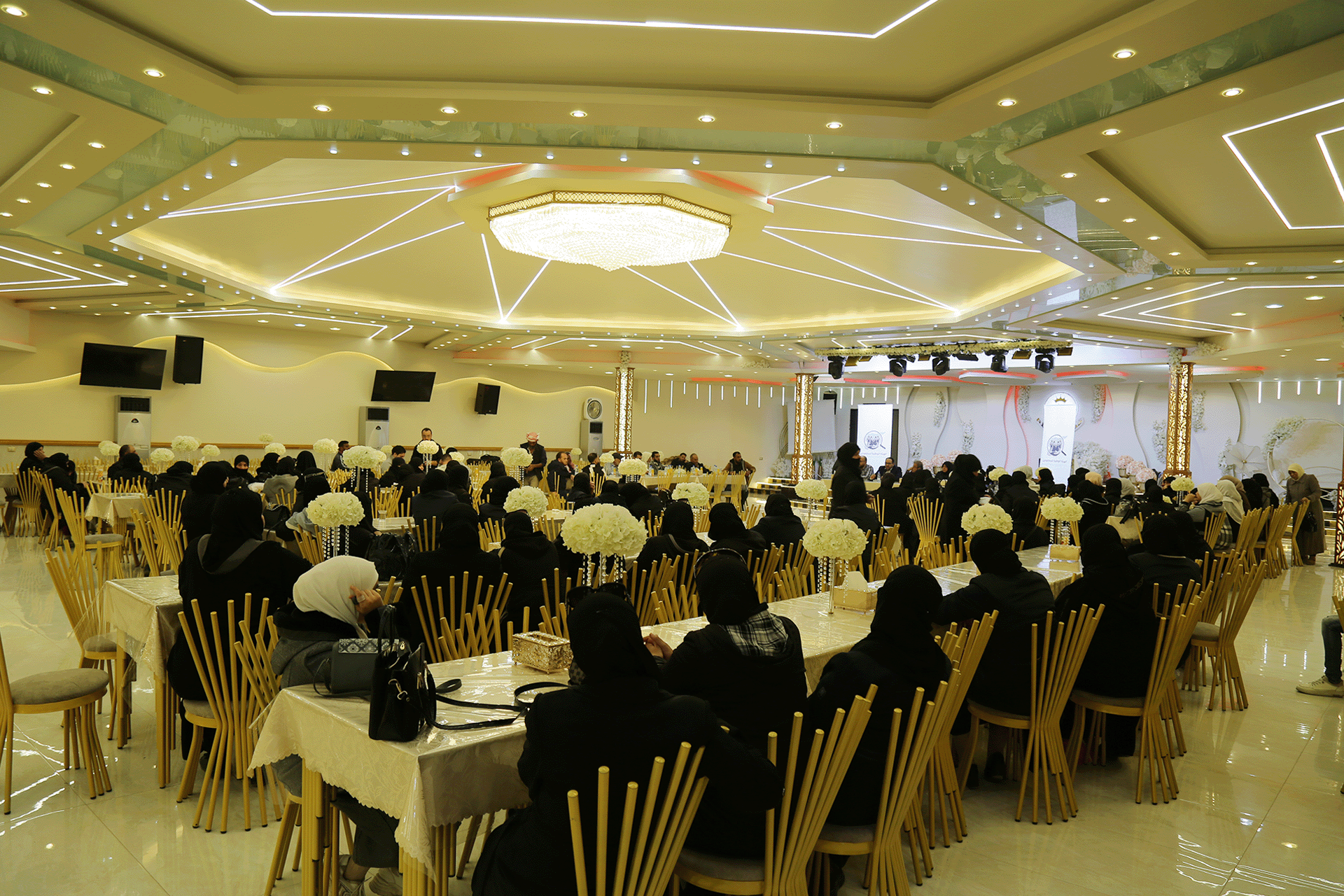
Salma and Lamia’s stories emerged on the sidelines of a meeting convened by the National Commission for the Missing Persons in Syria. The commission warned against falling victim to such scams and sharing personal data or information with any entity outside the commission’s framework.
Lamia al-Abdullah is still waiting for news of her son, who disappeared after being arrested in Assad’s prisons.
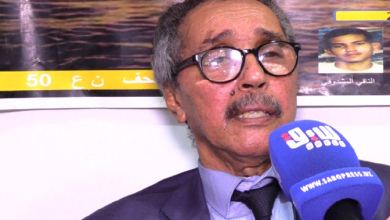
Riad Oular, the founding co-president of the Association of Detainees and Missing Persons of Sednaya Prison, confirms that the phenomenon continues to this day. He warns of its ‘catastrophic and dangerous effects on social peace‘ in Syria.