Vance: Ukraine Conflict Resolution Must Be Acceptable to Both Sides
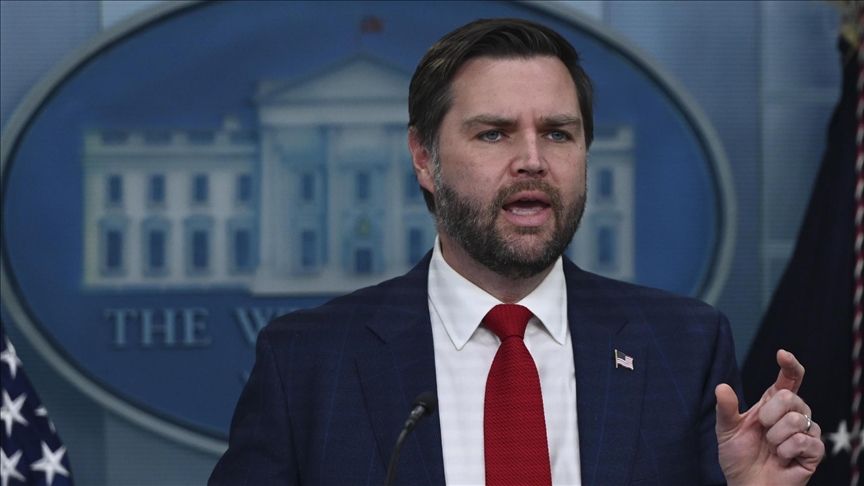
In a recent statement, U.S. Vice President J.D. Vance emphasized that any viable initiative aimed at resolving the ongoing conflict in Ukraine must be mutually acceptable to both Moscow and Kyiv, ultimately leading to a cessation of hostilities.
Vance stated that Washington recognizes that a settlement cannot be unilaterally imposed. He further elaborated on the complexities of the situation, suggesting that the prevailing belief that simply supplying Ukraine with arms and financial aid, coupled with sanctions against Russia, will bring an end to the war is a fallacy.
Instead, Vance advocated for a more pragmatic approach grounded in negotiation and a clear understanding of the existing balance of power. He argued that criticisms leveled against the proposed American peace plan reflect a "lack of genuine understanding of the reality on the ground."
Reports suggest that the U.S. settlement plan involves the U.S. and its allies recognizing Crimea and Donbas as Russian territories, contingent upon agreements signed by Ukraine, the United States, the European Union, NATO, and Russia. Vance has not independently confirmed these reports.
Vance reiterated Russia’s willingness to engage in negotiations, pointing out that the current status quo is advantageous to Russia, which continues to pursue its objectives through military force in Ukraine. He urged Kyiv and its allies to abandon the "illusion of defeating Russia in Ukraine." He stressed the importance of realistic assessments and diplomatic solutions to achieve a lasting peace.
This statement comes amid ongoing debates about the most effective strategies for de-escalating the conflict and achieving a stable resolution. The need for a solution that acknowledges the interests of all parties involved remains a central theme in discussions among international policymakers.