Algeria Launches Hotline to Combat Drugs in Schools
The Ministry of National Education has officially launched a dedicated hotline, 1111, to combat drug use and the spread of psychotropic substances within educational institutions. This initiative aims to provide a direct channel for students, teachers, administrators, staff, and parents to report suspicious activity and seek immediate assistance.
In a statement released today, the Ministry emphasized that the hotline is designed to encourage reporting of situations requiring urgent attention. This measure is part of a broader effort to cultivate a culture of vigilance and strengthen preventative measures against drugs and psychotropic substances in schools across the country.
The Ministry assures that all information received through the hotline will be treated with the utmost confidentiality. Reports will be forwarded to the appropriate authorities for immediate action, ensuring the legal and social protection of students and contributing to a safer and healthier school environment.
This initiative represents a significant step forward in protecting students from the dangers of drug use and addiction. The Ministry plans to conduct regular monitoring and evaluation of the hotline’s effectiveness at both the local and national levels, in close coordination with relevant sectors and organizations.
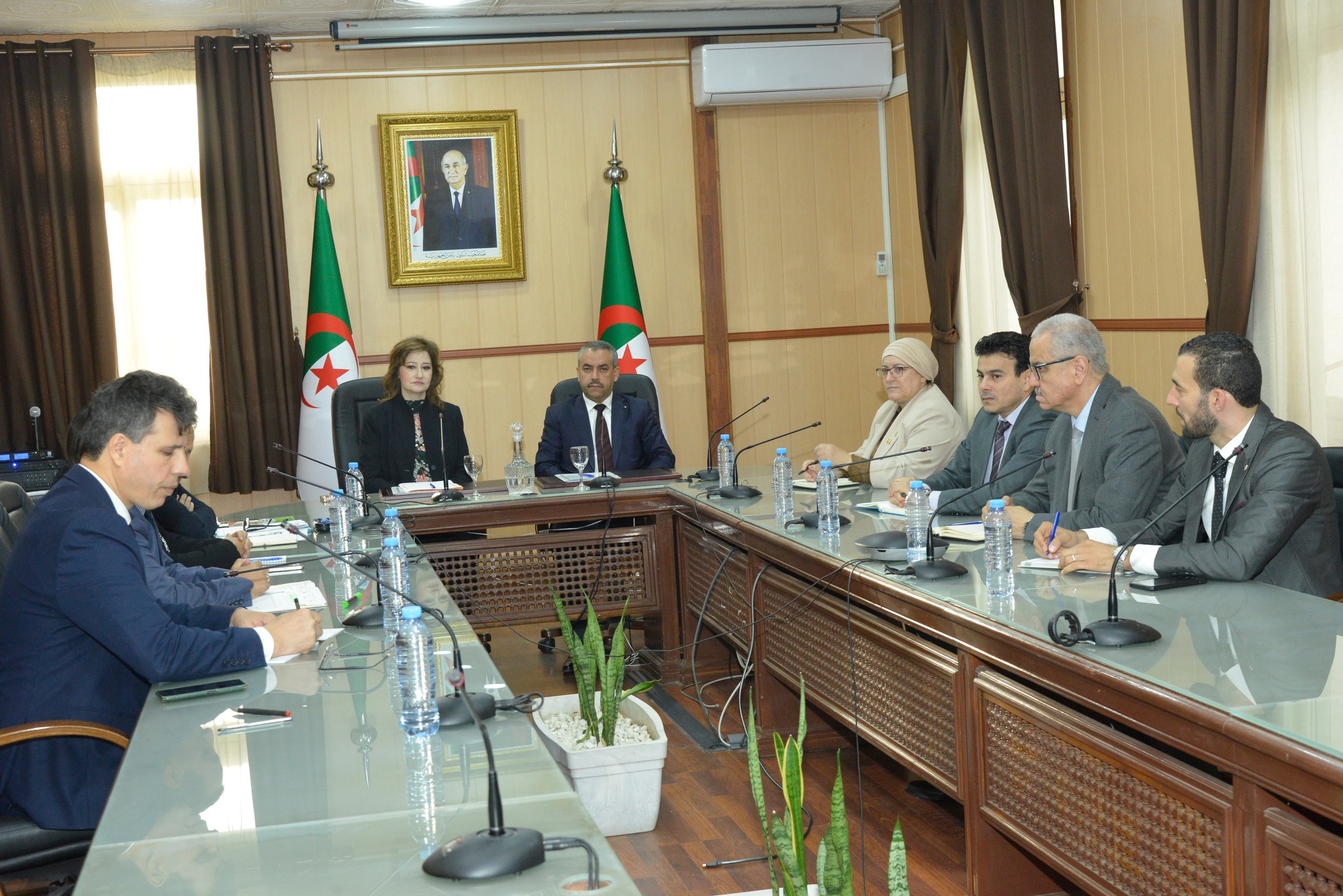
Minister of National Education, Mohamed Seghir Saadaoui, along with the National Commissioner for Child Protection, Meriem Cherfi, oversaw a working meeting earlier today at the Ministry headquarters. The meeting focused on the implementation of the 1111 hotline within the school system. This action directly reflects President Abdelmadjid Tebboune’s directives regarding the national strategy to combat drugs and psychotropic substances, particularly within educational settings.
Given that the majority of individuals under the age of 18, legally defined as ‘children,’ are enrolled in educational institutions, the Ministry highlights the critical need for coordination to ensure early prevention and protection of students from these risks. A specialized technical team from the Ministry has been tasked with visiting the National Authority for Child Protection and Promotion to assess their reporting mechanisms and evaluate their adaptability to the unique needs of the education sector. This includes considering the size of educational institutions, student populations nationwide, efficient processing of reports, appropriate referral procedures to educational directorates, confidentiality protocols, protection of whistleblowers, and the establishment of a joint protocol for case management and intervention when necessary.