Trump Praises Al-Share, But Will He Curb Israeli Strikes on Syria?
Recent statements from former U.S. President Donald Trump, seemingly supportive of stability in the new Syria, have sparked debate about whether he will pressure Israel to cease its ongoing military operations within Syrian territory. While Trump has expressed satisfaction with progress made in Syria and emphasized the need for dialogue between Israel and Damascus, analysts remain skeptical that this translates into a tangible shift in U.S. policy towards Israeli actions.
Trump stated earlier this week that the United States is “completely satisfied” with the results achieved in Syria due to hard work and determination. He further stressed the importance of Israel engaging in strong and genuine dialogue with Damascus. Trump highlighted that this dialogue should not impede Syria’s stability and prosperity, noting that President Ahmed al-Share is “working diligently to ensure positive developments that guarantee a long and prosperous relationship between Tel Aviv and Damascus.”
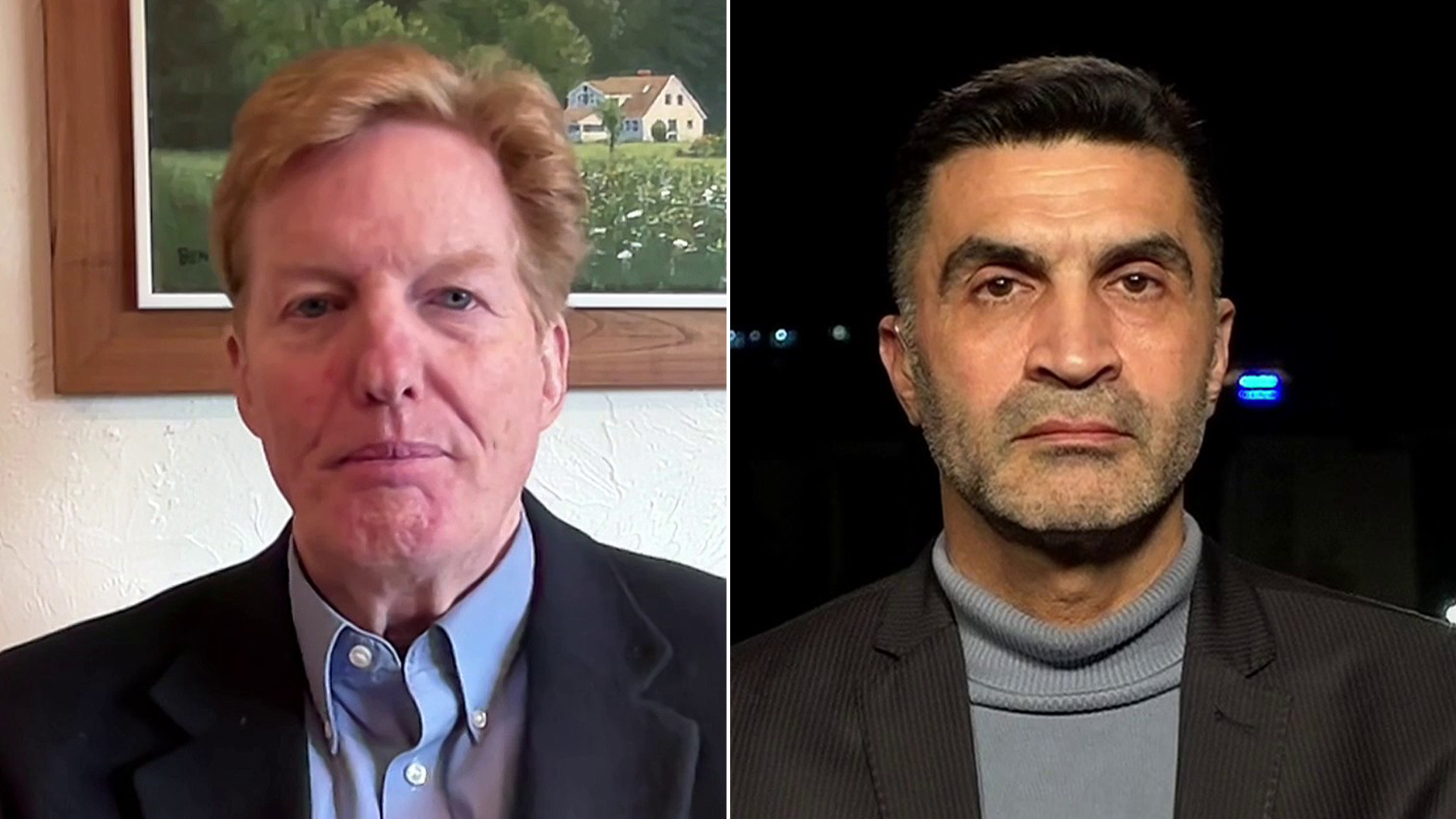
However, experts suggest that Trump’s rhetoric, while encouraging, does not necessarily indicate a willingness to confront Israeli Prime Minister Benjamin Netanyahu’s security agenda in Syria. Joshua Landis, Director of the Center for Middle East Studies at the University of Oklahoma, argues that Netanyahu, despite facing scrutiny from the International Criminal Court, interprets Trump’s words through his own lens and harbors a lack of respect for President al-Share.
Landis further suggests that Trump’s support for Syria is partly motivated by a desire to appease Turkish President Recep Tayyip Erdogan and Saudi Crown Prince Mohammed bin Salman. However, he emphasizes that Israel ultimately wields greater influence over the American electorate than Ankara or Riyadh. Therefore, Landis believes it is unlikely that Trump will exert the necessary pressure to halt Netanyahu’s expanding operations in Syria, especially given Trump’s focus on his plans for the Gaza Strip and his desire to provide Saudi Arabia with F-35 fighter jets.
According to Landis, challenging Netanyahu’s regional ambitions would require Trump to take actions that could alienate Jewish voters and pro-Israel supporters in the United States, whose support was crucial to his return to the White House and remains vital for countering Democrats in future elections.
Political analyst Omar Idlibi echoed similar sentiments, suggesting that…