Algeria and Belarus Sign Key Agreements to Bolster Bilateral Ties
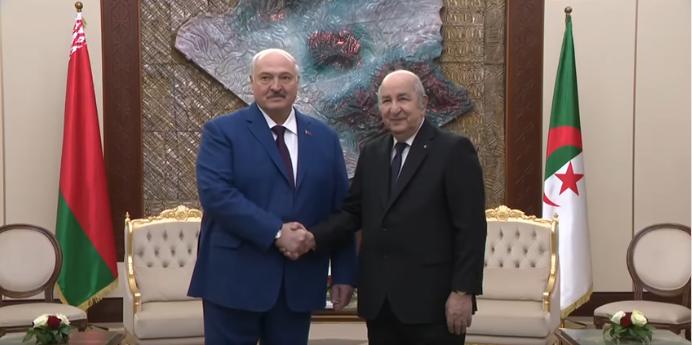
Algeria and Belarus have solidified their commitment to enhanced bilateral cooperation through the signing of several key agreements and memoranda of understanding. The signing ceremony, presided over by President Abdelmadjid Tebboune and his Belarusian counterpart, Alexander Lukashenko, signifies a strengthened partnership across diverse sectors.
The agreements aim to foster collaboration and knowledge exchange, paving the way for deeper economic and strategic ties between the two nations. The accords span crucial sectors, indicating a comprehensive approach to strengthening the relationship.
Among the key agreements signed was a Memorandum of Understanding in the field of industrial cooperation between the Algerian Ministry of Industry and the Belarusian Ministry of Industry. This agreement is designed to promote industrial partnerships and facilitate the exchange of expertise, aiming to stimulate growth and innovation in both countries’ industrial sectors.
Furthermore, an agreement in the field of animal health was formalized between the Algerian and Belarusian governments. This agreement seeks to strengthen cooperation in the areas of prevention and veterinary health control, ensuring the health and safety of livestock and contributing to the stability of the agricultural sector.
A significant Memorandum of Understanding was also signed in the agricultural sector between the Algerian Ministry of Agriculture and Rural Development and Fisheries and the Belarusian Ministry of Agriculture and Food. This agreement aims to consolidate cooperation in agricultural production, nutrition, and the exchange of scientific and technical expertise, fostering advancements in agricultural practices and food security.
These agreements represent a significant step forward in the Algeria-Belarus relationship, demonstrating a mutual commitment to fostering growth and development through strategic partnerships and collaborative initiatives. The signed accords are expected to generate tangible benefits for both nations, strengthening their economies and enhancing cooperation in vital sectors.