Lebanon, Israel Hold Rare Talks: Will it Avert War?
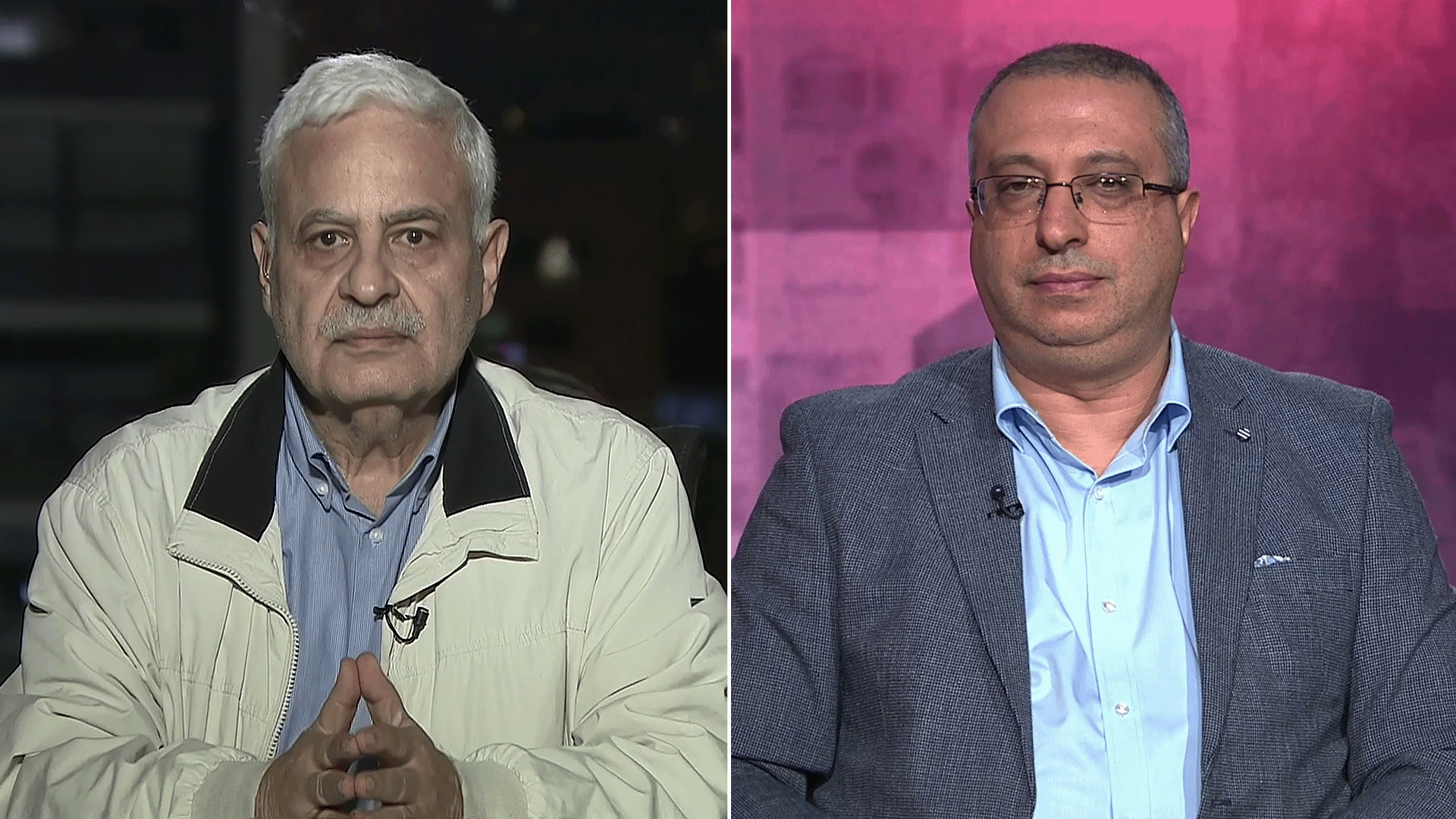
In a move marking the first direct civilian negotiations in decades, Lebanese and Israeli officials have convened for talks that analysts say could alter the dynamics of regional security. These discussions, focused on overseeing the existing ceasefire agreement, represent a potential shift, but analysts caution that they may only delay, not prevent, further conflict without the disarmament of Hezbollah.
The negotiations took place in Naqoura, with representatives from both sides present, alongside Morgan Ortagus, Deputy Envoy of the United States for the region, former Lebanese Ambassador Simon Karam, and a deputy head from the Israeli Foreign Policy division.
This meeting aligns with the United States’ objective of expanding the scope of the ceasefire monitoring process, as Washington continues its efforts to broaden normalization agreements between Israel and regional countries.
Lebanese Prime Minister Nawaf Salam, in an exclusive interview, stated his country’s readiness for “supra-military” negotiations with Israel, emphasizing that the inclusion of civilians in the delegation has robust political backing.
“These negotiations are not aimed at a normalization agreement with Israel, but rather at securing Lebanon’s border rights and solidifying the cessation of hostilities,” Salam affirmed. He stressed that lasting peace hinges on the Arab Peace Initiative, which is based on a two-state solution.
Political analyst Nicola Nassif suggests that Salam’s description of the talks as “supra-military” reflects an attempt to establish a new level of negotiation with Israel that avoids direct political engagement, a stance that could face opposition from Parliament Speaker Nabih Berri and Hezbollah.
Lebanon’s choice of diplomat Simon Karam, described by Nassif as a seasoned politician, is consistent with President Joseph Aoun’s recent call for negotiations with Israel to de-escalate rising tensions. The position of the Shia bloc on this development remains unclear. The success of these negotiations remains uncertain.