Heglig Oil Field Security: Khartoum and Juba Reach Agreement
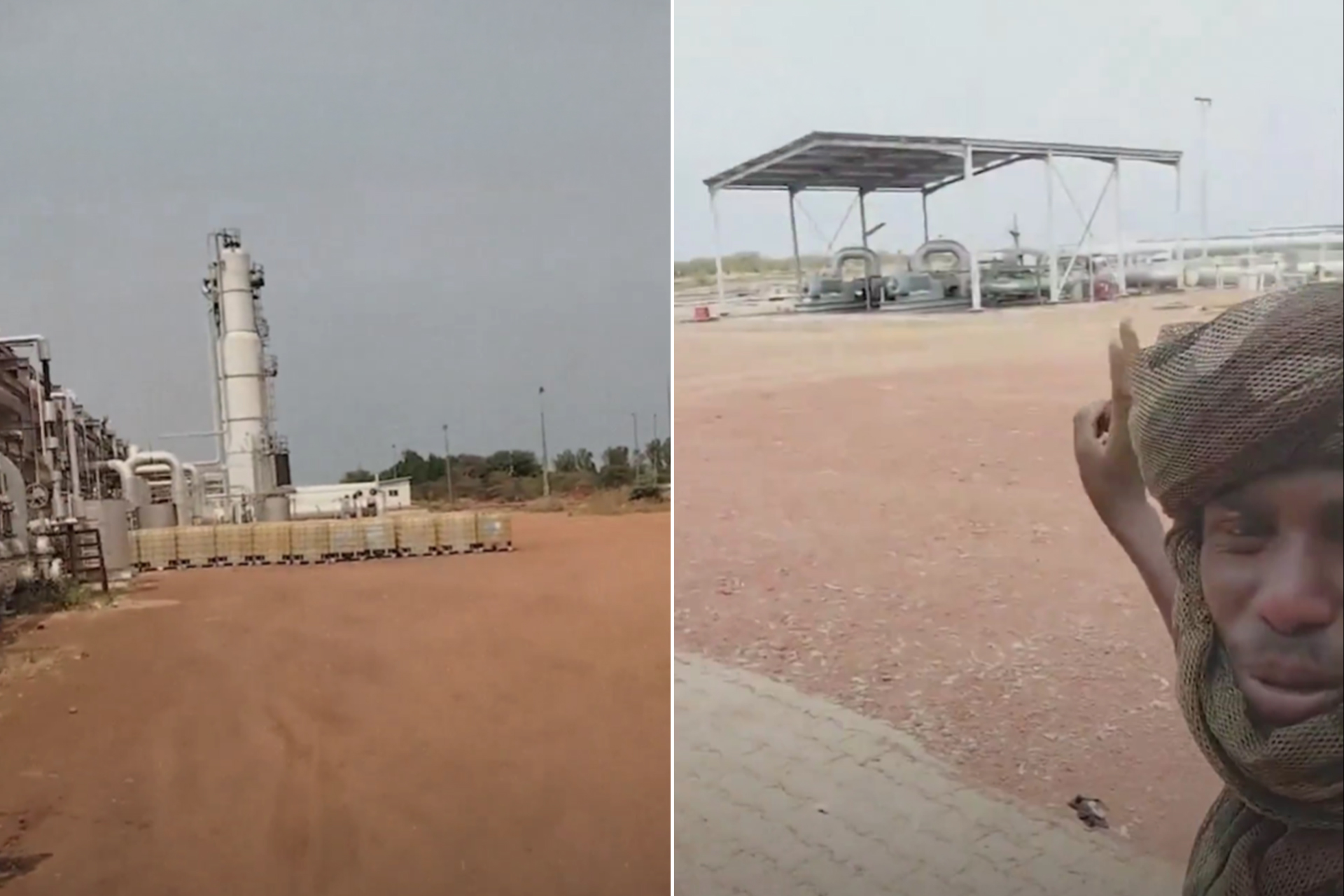
Khartoum – Following the Sudanese Army’s withdrawal from the Heglig oil region in West Kordofan State and the subsequent control by the Rapid Support Forces (RSF), Khartoum and Juba have initiated contact to activate a previous agreement aimed at securing oil fields and facilities. The goal is to ensure the continued flow and export of South Sudan’s oil through Sudanese territory.
The Heglig field comprises 75 oil wells and houses a central processing facility capable of handling 130,000 barrels of South Sudanese crude oil. This oil originates from fields in the Unity State of South Sudan and is transported via a 1,600-kilometer pipeline traversing Sudanese territory to the Bashayer port on the Red Sea.
The cessation of operations at the Heglig facility represents a significant loss for South Sudan, as oil constitutes over 90% of its foreign currency earnings. For Sudan, it translates to a loss of approximately 21,000 barrels of crude oil per day, in addition to transit and export fees estimated at over one million dollars daily.
High-Level Communication
Official sources within Sudan revealed that high-level communications between Sudanese and South Sudanese leadership have been ongoing since the RSF’s mobilization to attack the Heglig region. These discussions led to understandings regarding the safe evacuation of personnel from the field and the avoidance of military confrontations to prevent damage to the oil field and its infrastructure. Tribal leaders also played a role in these efforts.
According to sources, Juba has affirmed the deployment of its forces to the periphery of the Heglig oil field, while the RSF has pledged to withdraw from the field’s vicinity to reorganize control over the vital area. A South Sudanese force will assume responsibility for protecting the oil installations in Heglig. Furthermore, a security delegation from South Sudan’s Ministry of Petroleum is expected to visit Port Sudan in the coming days to finalize arrangements for ensuring the operation of the oil field and its facilities, as well as the transit of South Sudanese oil through Sudanese territory and ports.
This collaborative effort follows an earlier oil cooperation agreement reached this year, subsequent to a previous attack on the Heglig field.