Heavy Rains Flood Gaza’s Al-Shifa Hospital, Displace Thousands
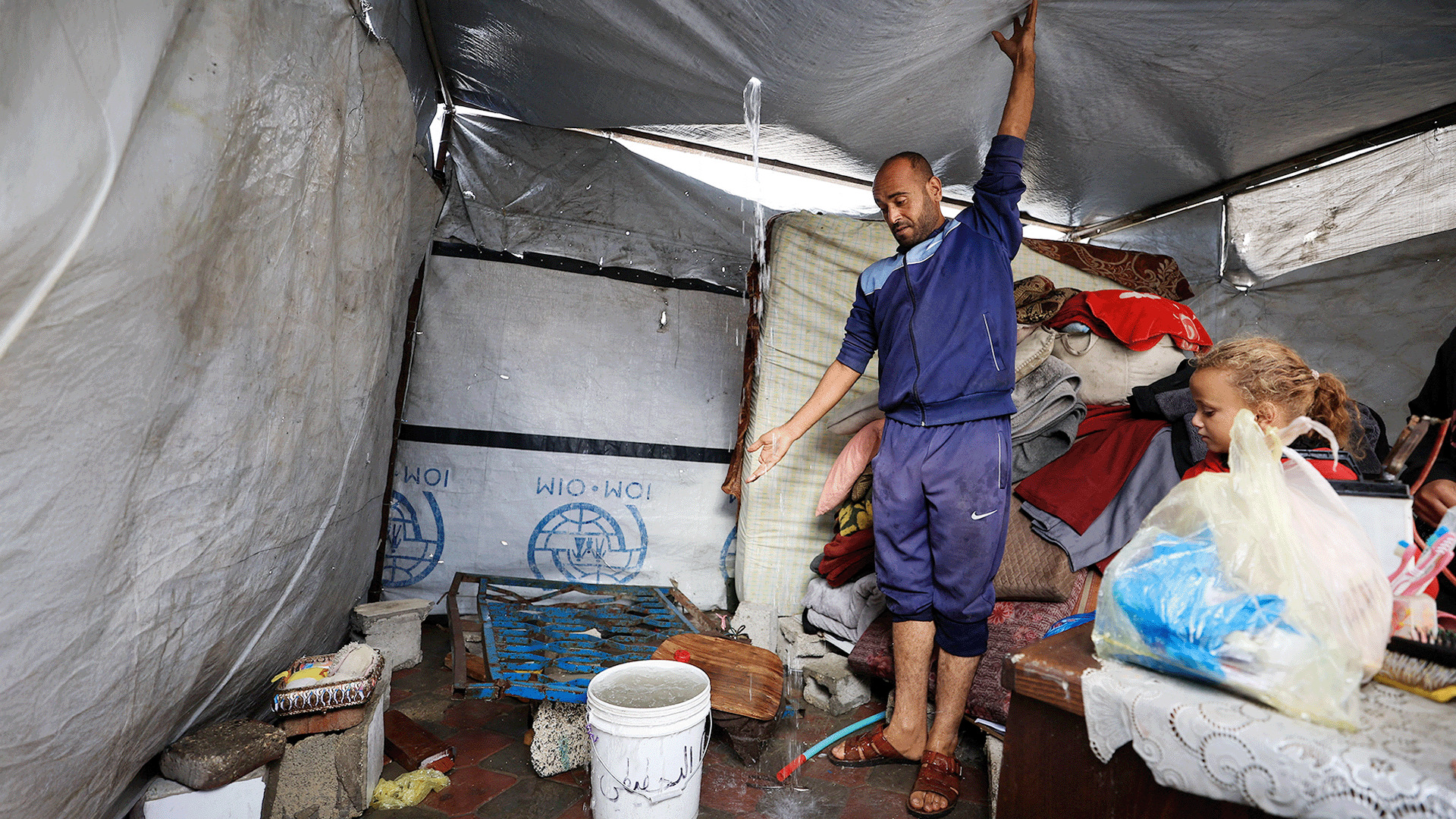
Gaza City – Torrential rains from a recent weather system have inundated the Al-Shifa Hospital and thousands of tents housing displaced persons in the Gaza Strip, raising concerns about potential outbreaks of disease. The already dire humanitarian situation is deteriorating rapidly as winter conditions worsen.
Reports indicate that rainwater has seeped into various sections of the Al-Shifa medical complex, particularly the reception and emergency departments, causing significant disruption to operations. Al-Shifa, the largest hospital in the region, sustained extensive damage from previous conflict, with buildings destroyed by bombing and fire.
While efforts have been made by the Ministry of Health in Gaza to repair some of the hospital’s structures following the ceasefire agreement on October 10, 2025, the scale of the damage and limited resources have hampered the restoration of normal operations. The ongoing restrictions on the entry of essential medical supplies, equipment, and medicines are exacerbating the problem.
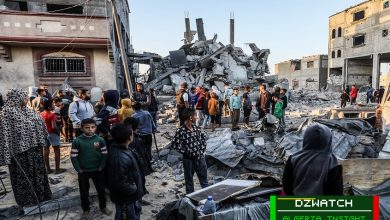
Beyond the hospital, thousands of displaced Palestinians are facing even more precarious conditions. Eyewitness accounts detail how rainwater has flooded tents, while strong winds have scattered belongings, leaving families exposed to the elements. Many woke to find their temporary shelters either submerged or blown away.
“We woke up to the sound of fierce winds hitting our tent. We tried to hold it down, but the wind tore it apart, scattering everything,” said Khaled Abdel Aziz, a displaced Palestinian. “Now, I sit with my wife and children in the open, under the rain. There is nowhere for us to go.”
Maha Abu Jazar was seen running with her three children, searching for shelter after her tent in the Al-Mawasi area west of Khan Yunis was completely flooded. Hundreds of others have sought refuge under the remnants of buildings damaged in previous conflicts.
The Civil Defense is warning of the increased risk of waterborne diseases and respiratory illnesses due to the unsanitary conditions and exposure to the cold and wet weather. Further assistance is urgently needed to provide adequate shelter, sanitation, and medical care to the affected population.