Algeria: Draft Law Criminalizing Colonialism Hailed as Victory for Justice
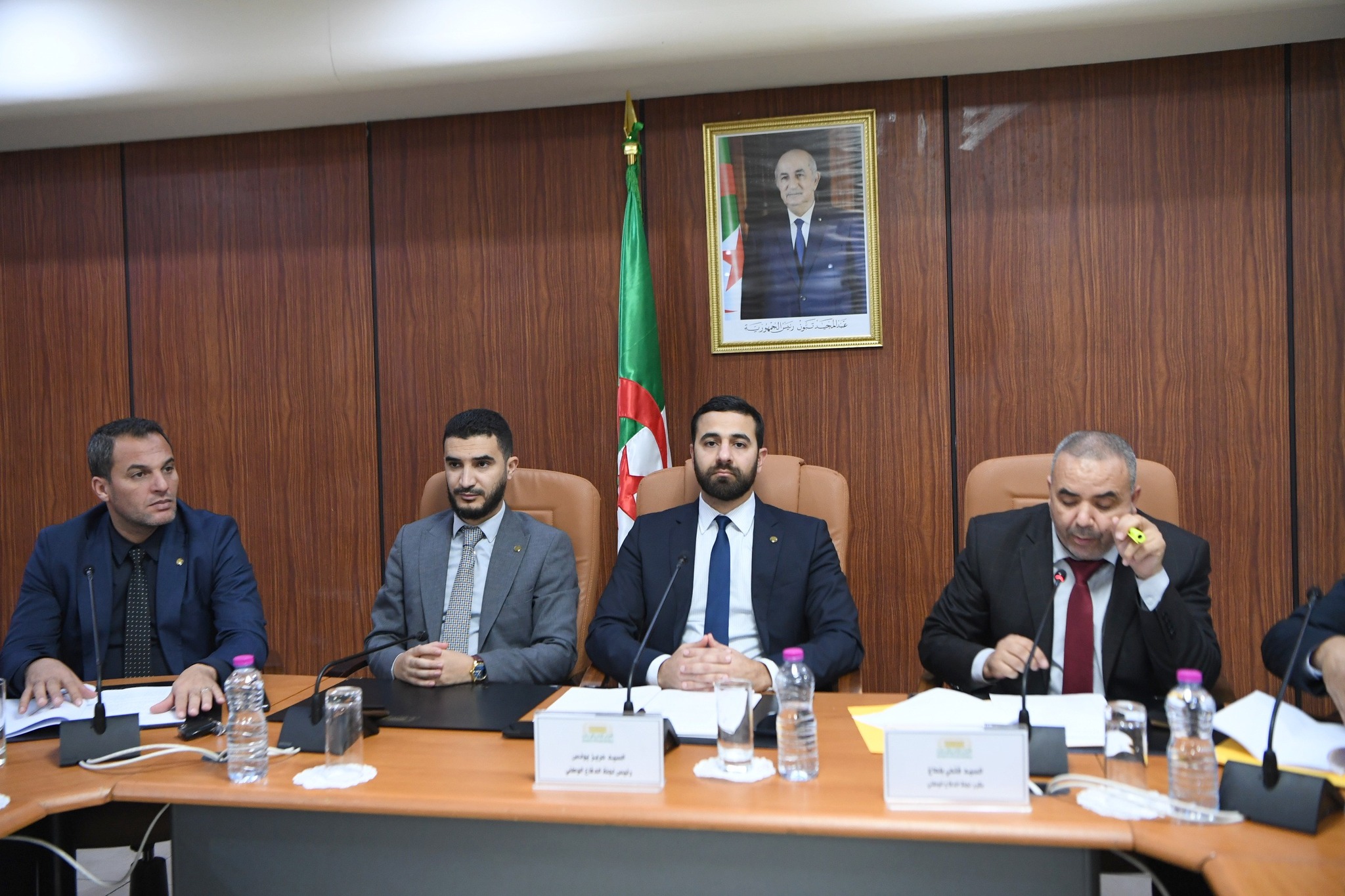
Algiers, December 16, 2025 – A proposed law criminalizing colonialism, specifically targeting France’s actions during its 132-year occupation of Algeria, has been described as a victory for justice and the rule of law.
Speaking at a meeting of the National Defense Committee dedicated to gathering suggestions from national organizations regarding the draft law, committee chairman Younes Harize emphasized that demanding France acknowledge the crimes committed against the Algerian people is a fundamental step towards achieving historical justice. He asserted that crimes against the dignity of nations cannot be erased by time or silenced through inaction.
Harize stressed that France must accept responsibility for the atrocities committed in Algeria, including attempts to obliterate national identity through the suppression of religion and language. He added that Algerians will never forget the crimes perpetrated by colonial France, a legacy that will be passed down to future generations.
The draft law criminalizing French colonialism is rooted in principles of international law, which affirm the right of peoples to legal redress, historical justice, and accountability. The proposal seeks to establish responsibility, secure recognition, and obtain an apology for colonial crimes as a foundation for reconciliation with history and the protection of national memory.
The proposed law, comprising five chapters and 27 articles, aims to define the legal nature of the crimes committed during the French colonial period from 1830 to 1962. It also includes legal provisions addressing the French government’s responsibility for its colonial past and mechanisms for demanding official recognition and apology.
Among its key provisions, the draft law calls for France to decontaminate all sites affected by nuclear explosions and other forms of pollution. It also demands the surrender of maps detailing nuclear explosions, chemical experiments, and landmines, as well as the repatriation of all assets taken from Algeria, including the national archives. The passage of this law would represent a significant step in Algeria’s ongoing efforts to address the legacy of colonialism.