
Algeria Sees Surge of 36,000 New Businesses in Five Years
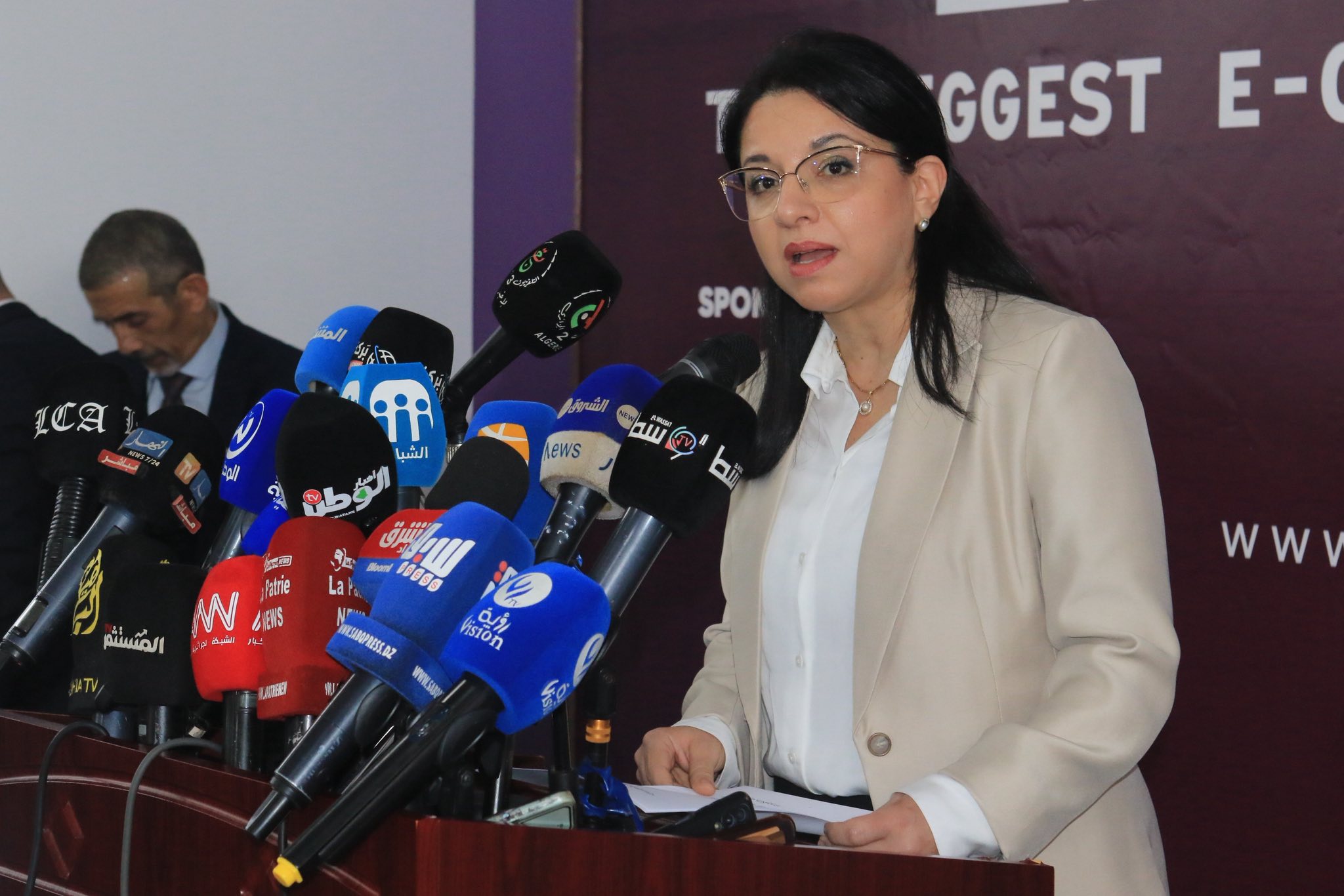
Algiers, December 24, 2025 – Algeria’s economy has experienced significant growth, with 36,000 new economic institutions established between 2020 and 2025, according to the Minister of Internal Trade and Regulation of the National Market, Amal Abdel Latif.
Speaking at a study day focused on import substitution held at the Palais des Expositions, the Minister highlighted that these new enterprises are primarily active in key sectors. These include construction and public works, electrical, electronic, and household appliance industries, as well as manufacturing, particularly in plastics, wood, and glass. The pharmaceutical and food industries have also seen substantial growth.
“This development reflects the increasing dynamism of productive investment within the country,” Minister Abdel Latif stated.
She further explained that the growth observed in the national productive fabric from 2020 to 2025 was spurred by a series of measures outlined in successive finance laws. These measures aimed to encourage national production, protect local products, and alleviate the burden on productive enterprises. This, in turn, enhances the attractiveness and sustainability of productive investment.
The Minister noted that these measures included tax and customs exemptions for manufacturing, mechanical, and electronic industries, as well as support for startups and business incubators. These initiatives were implemented in parallel with efforts to promote research, development, and innovation, and to deepen local integration, particularly in strategic industries and renewable energies.
Regarding investment, the Minister emphasized that “directing investment from a commercial and market perspective necessarily involves organizing distribution channels. It is impossible to encourage national production without ensuring organized, transparent marketing capable of absorbing the output.”
She affirmed that the ministry is working to modernize distribution networks, develop commercial spaces, encourage investment in large areas, strengthen direct links between producers and distributors, and reduce irregular intermediaries who distort prices and hinder productive investment.