
UNESCO to Recognize Zellige as Algerian Heritage in 2026
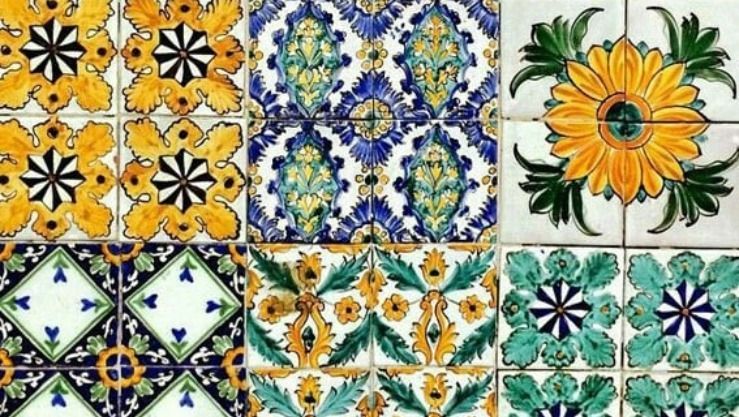
Algiers – In a landmark decision poised to resolve years of debate, UNESCO is expected to formally recognize the art of Zellige as an integral part of Algeria’s cultural heritage in 2026. This announcement comes after Algeria submitted its official request in 2023 to inscribe Zellige on the Representative List of the Intangible Cultural Heritage of Humanity.
According to a statement, the international body’s anticipated endorsement next year will serve as a definitive affirmation of Algeria’s historical ownership and cultural significance of this ancient art form. The news was welcomed by cultural experts and historians across the nation.
What is Zellige? Zellige is a meticulous mosaic art form comprised of individually hand-cut, geometrically shaped tiles. These tiles, often vibrant in color, are carefully assembled and set in plaster to create intricate decorative patterns. This traditional art is prominently featured in the ornamentation of walls, ceilings, windows, pavements, and fountains within religious sites, palaces, and traditional homes.
Zellige possesses distinct artistic and technical characteristics:
- Hand-Cut Precision: Each tile is meticulously shaped by hand using a specialized iron hammer.
- Natural Pigments: Colors are derived from locally sourced minerals, lending a vibrant and enduring quality.
- Complex Geometry: Designs showcase intricate geometric patterns, relying on principles of symmetry and repetition.
- Master Craftsmanship: The creation of Zellige requires years of dedicated training and expertise.
Historical and archaeological evidence strongly suggests that Zellige originated and evolved within Algeria before spreading to other regions across North Africa and Andalusia. One of the earliest and most compelling examples of Zellige can be traced back to the قلعة بني حماد.
Built in the المسيلة province in 1007 AD, under the الحمادية dynasty, قلعة بني حماد stands as a primary reference point for Zellige art in North Africa. Archaeological excavations at the site have revealed advanced applications of Zellige in flooring, walls, and window designs, showcasing a high degree of precision and craftsmanship. The oldest documented piece of Zellige in North Africa was discovered at قلعة بني حماد and is currently preserved at the Louvre Museum in Paris as a testament to Algeria’s rich artistic heritage. This tangible evidence unequivocally demonstrates the deep-rooted Algerian origins of this art form.