Gaza: Rising Casualties Amid Truce Violations, Shelter Crisis Deepens
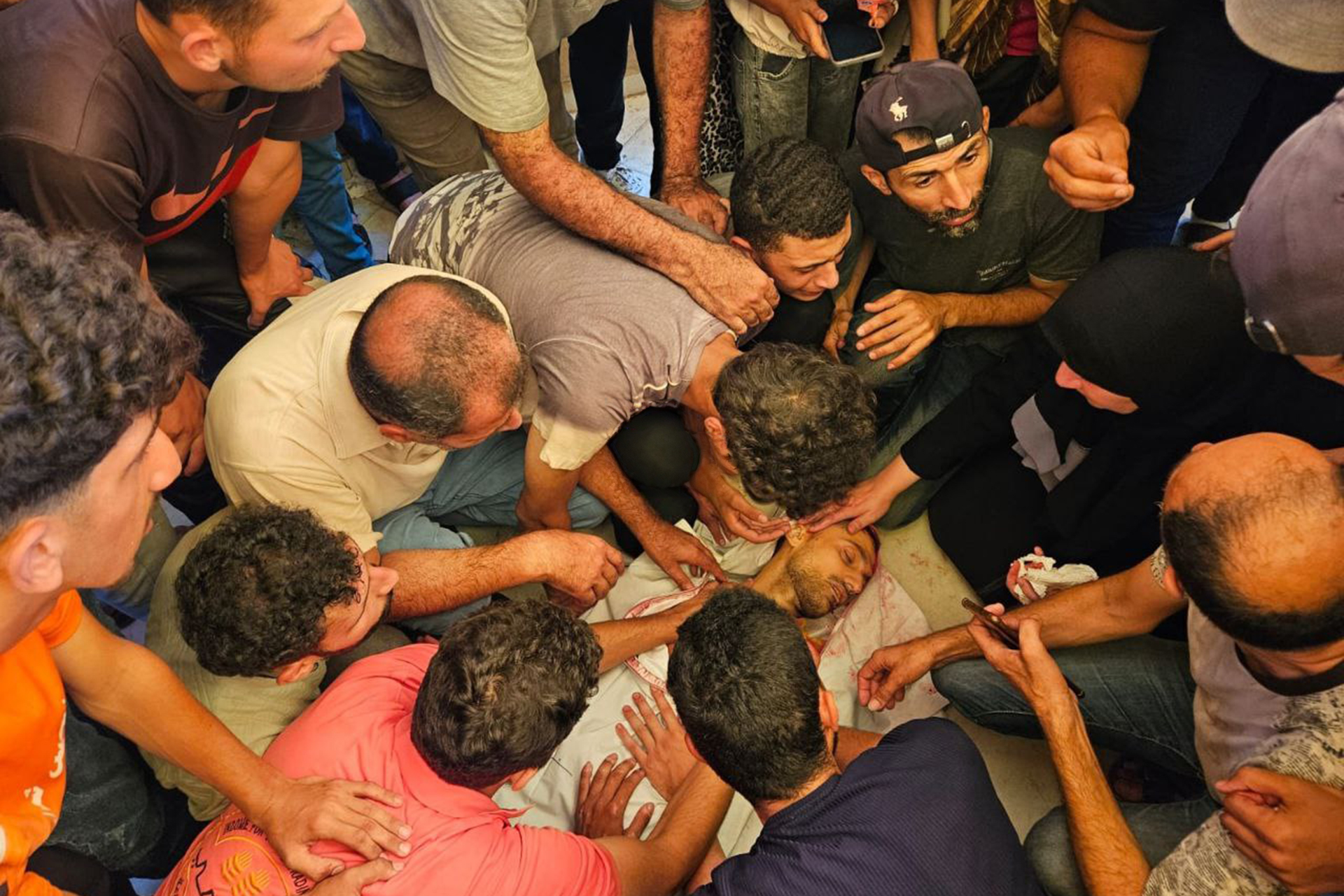
Gaza City – The ongoing conflict in Gaza continues to exact a heavy toll, with reports of escalating casualties and a deepening humanitarian crisis. Violations of the ceasefire agreement have resulted in further loss of life, compounding the already dire situation for displaced civilians.
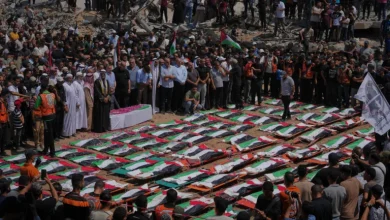
According to the Gaza Health Ministry, recent breaches of the truce by Israeli forces have resulted in at least 240 fatalities and over 1,180 injuries. These incidents have further strained the region’s already overwhelmed medical infrastructure. The situation on the ground remains volatile, with reports of continued military activity in several areas, including Rafah and Khan Yunis.
The Palestinian Health Ministry reports that since October 2023, the total number of Palestinian martyrs has reached 71,386, with 171,264 wounded. Furthermore, 684 bodies have been recovered from under the rubble following the implementation of a ceasefire on October 10th.
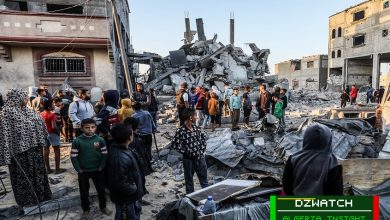
The humanitarian situation within Gaza remains critical. Residents are facing severe conditions in displacement camps and shelters, exacerbated by ongoing restrictions on the entry of aid. Despite agreements, the flow of essential supplies, including tents and prefabricated housing, remains insufficient to meet the needs of the displaced population. The Government Media Office in Gaza reports that of the 48,000 aid trucks required, only approximately 20,000 have been allowed entry over the past 80 days.
Amjad Al-Shawa, head of the Palestinian NGO Network, has warned of the deteriorating humanitarian situation, emphasizing that “tents are not a solution” to the ongoing displacement crisis. He highlighted the plight of approximately 900,000 displaced individuals living in severely inadequate conditions, reiterating the urgent need for mobile homes to provide more sustainable shelter. He added that the international community needs to provide a long-term solution for the displaced.
Beyond the immediate human cost, the conflict has inflicted widespread damage to Gaza’s infrastructure. Reports indicate that up to 90% of the civilian infrastructure has sustained damage, with reconstruction costs estimated by the United Nations at approximately $70 billion.